Guide · 6 min
Which rammer is best for trenches? And when to switch to a trench roller
Also called: jumping jack, trench rammer, tamper
By the SIMAQ technical team · Grupo ConstruMarket ·
Short answer
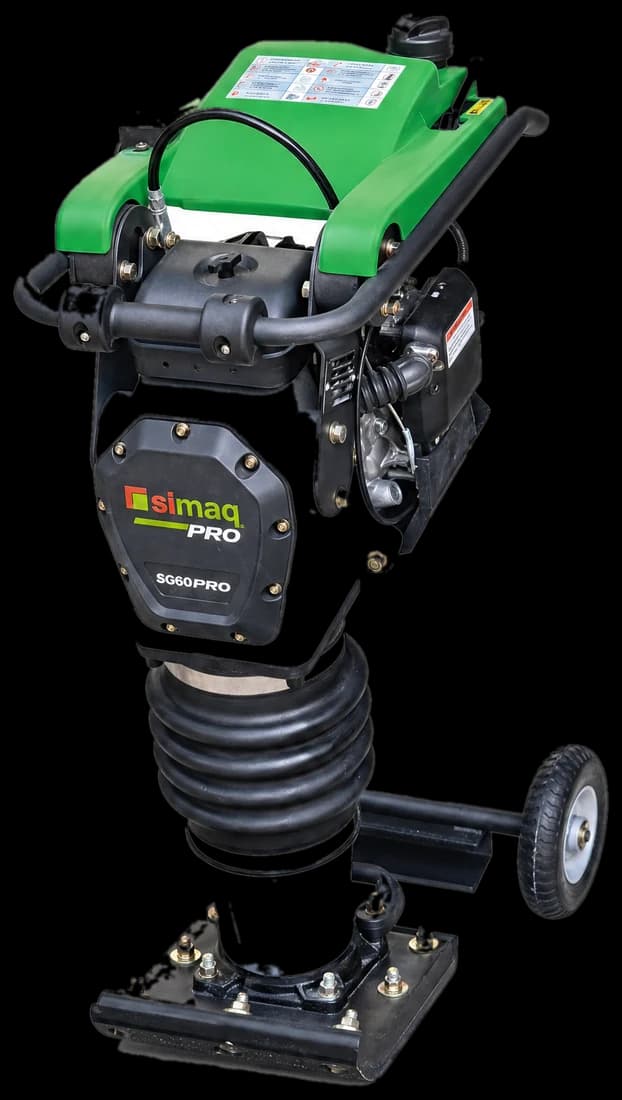
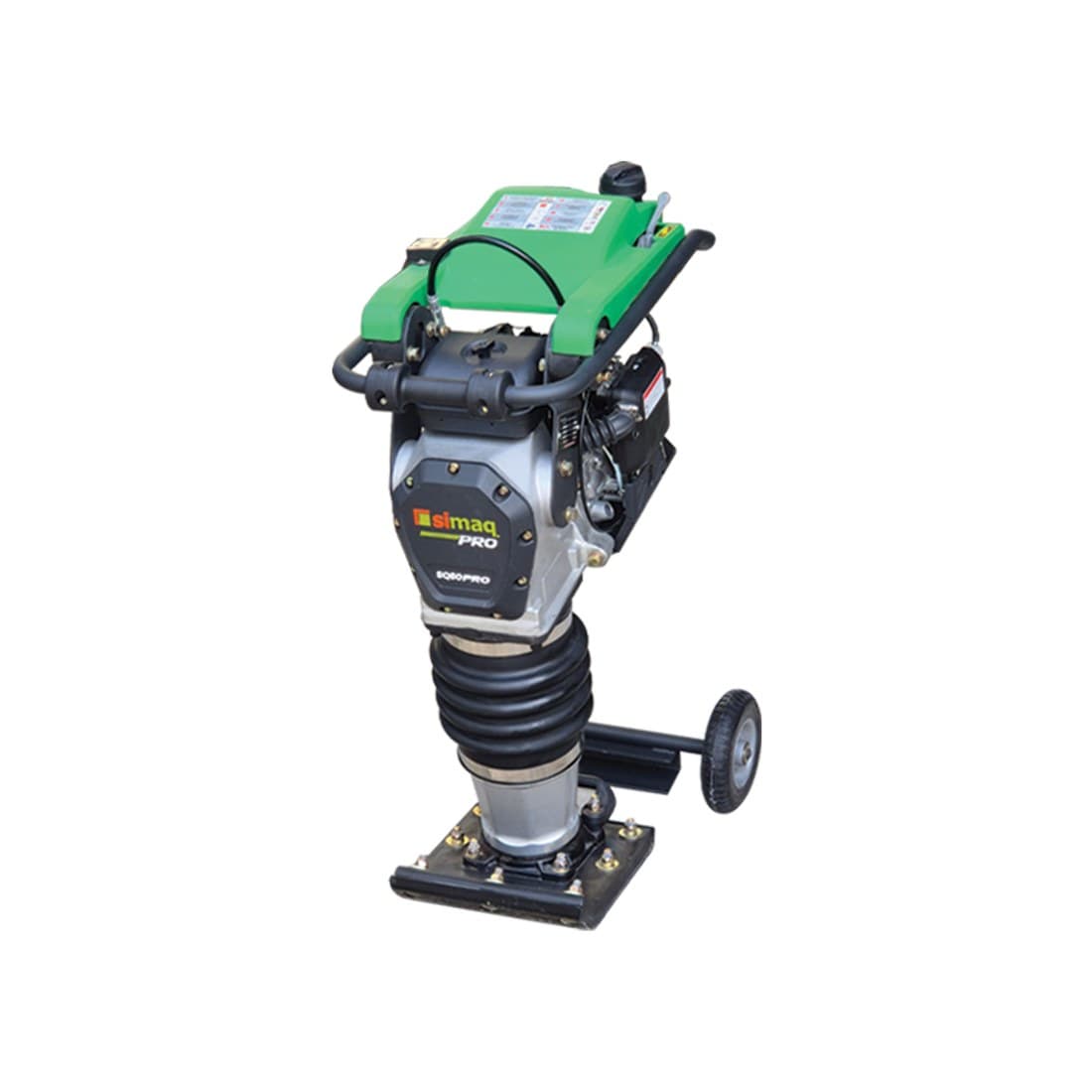
For pipe, drainage or footing trenches, pick a rammer with a narrow foot and solid impact: the SIMAQ SQ60 PRO 2 delivers 13.7 kN with a 34 × 29 cm foot and weighs 69 kg, so it fits narrow trenches and compacts tight against the pipe and the walls. Compact in thin lifts at the right moisture. If the trench is long, wider than a roller drum and in clay, you'll move faster with a padfoot trench roller: the walk-behind L102 or the remote-controlled L202.
SQ60 PRO 2 impact
foot size
weight to lower into the trench
Why the rammer rules in a trench
A rammer compacts by impact: it jumps and strikes with a small foot. That pays off twice in a trench. First, trench backfill is usually the same material that came out of the dig, and it's often clay or silt, which ignores vibration but responds to impact. Second, the foot reaches where nothing else does: next to the pipe, against the walls and around manholes and boxes.
A plate compactor bounces on clay and, in a narrow trench, either won't fit or leaves the edges untouched. A regular roller won't even get in. So the field rule is simple: narrow trench or tight to a structure, rammer.
What a trench rammer needs
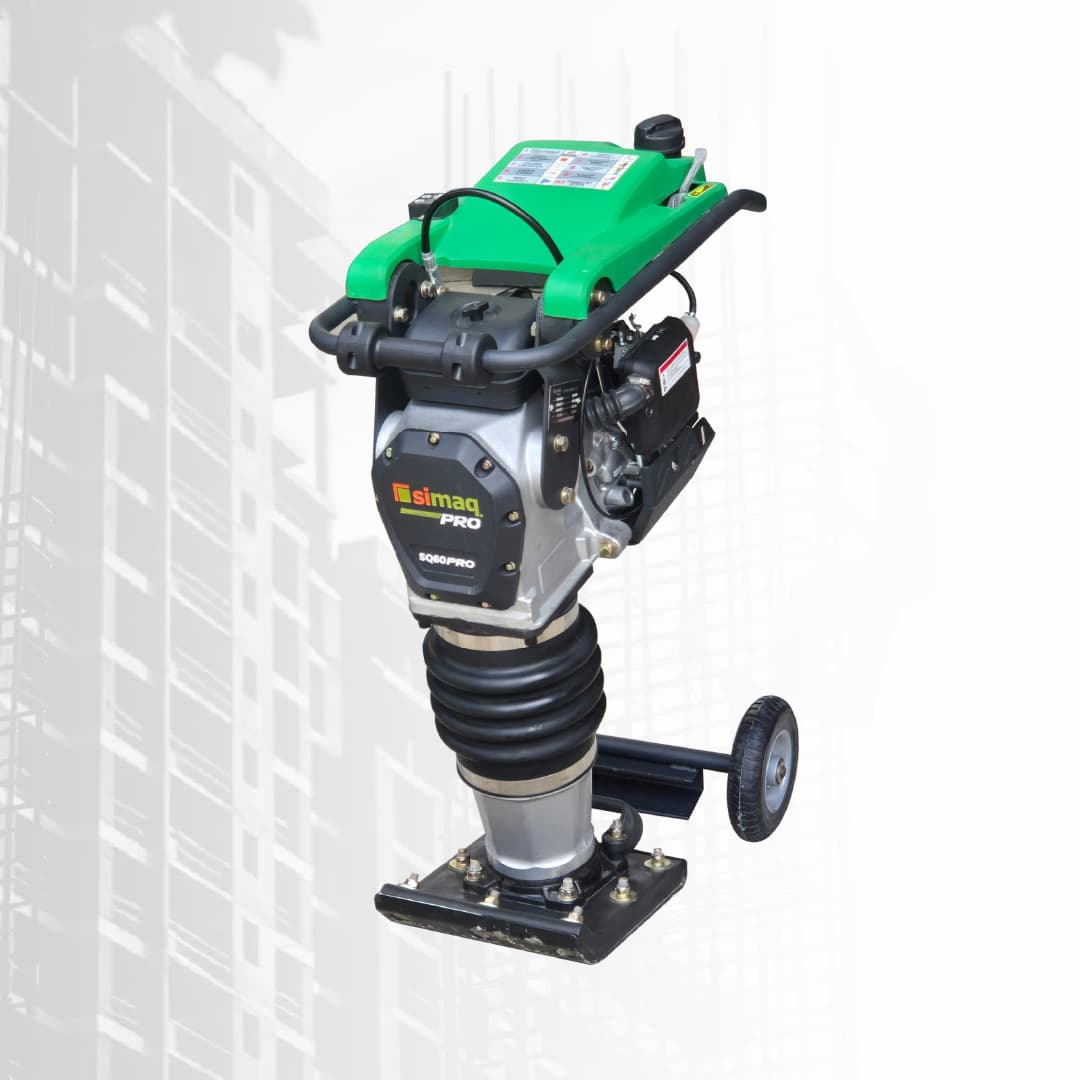
- A narrow foot: the SQ60 PRO 2 foot is 34 × 29 cm, so it fits and steers without hitting the walls.
- Impact that reaches the bottom of the lift: 13.7 kN of impact force at 680 VPM.
- Manageable weight: at 69 kg, two people can lower it into and lift it out of the trench.
- A four-stroke gas engine: the SQ60 PRO 2 runs a Honda GXR 120, EPA-certified.
- Easy moving: it comes with a wheel kit to roll it around the site and a Pro-Club maintenance kit.
How to compact a trench with a rammer, lift by lift
The mistake you see most on site is filling the whole trench and compacting only the top. A rammer compacts a thin lift well, not a meter of loose fill. As a general rule, work in lifts of no more than 20 to 30 cm loose, and thinner next to the pipe; if your project calls for a different thickness, the spec rules.
- Compact the floor before laying the pipe: a loose bed lets the pipe settle later.
- Along the sides of the pipe, fill and tamp both sides evenly so it doesn't shift off line.
- Don't ram on top of the pipe until you have the cover the pipe maker or your spec calls for.
- Check moisture with the fist test: the ball should hold its shape without dripping water.
- Make 3 or 4 passes per lift, overlapping the footprint, until the foot stops sinking.
- Let the machine do the work: guide it, don't push it down or tilt it.
If the trench is wide and long: a trench roller
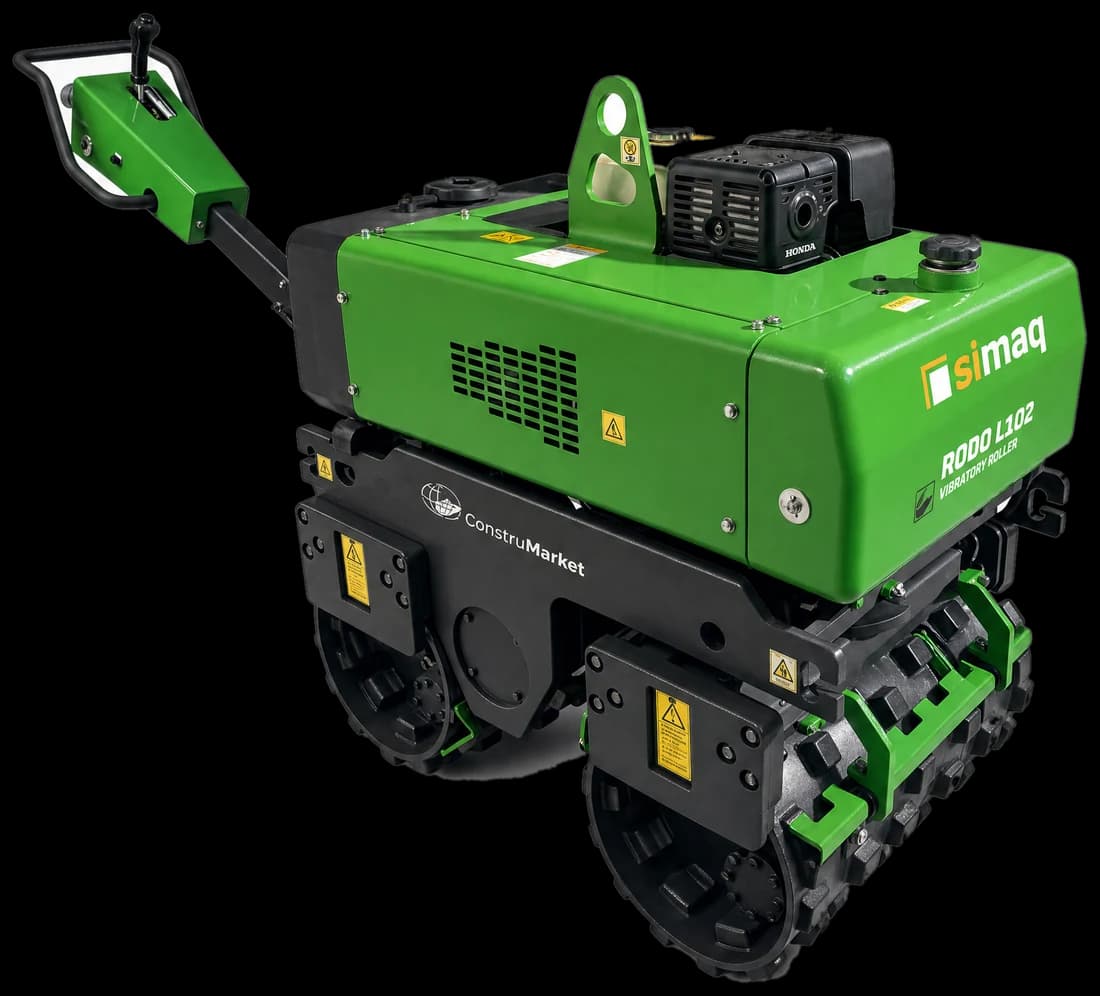
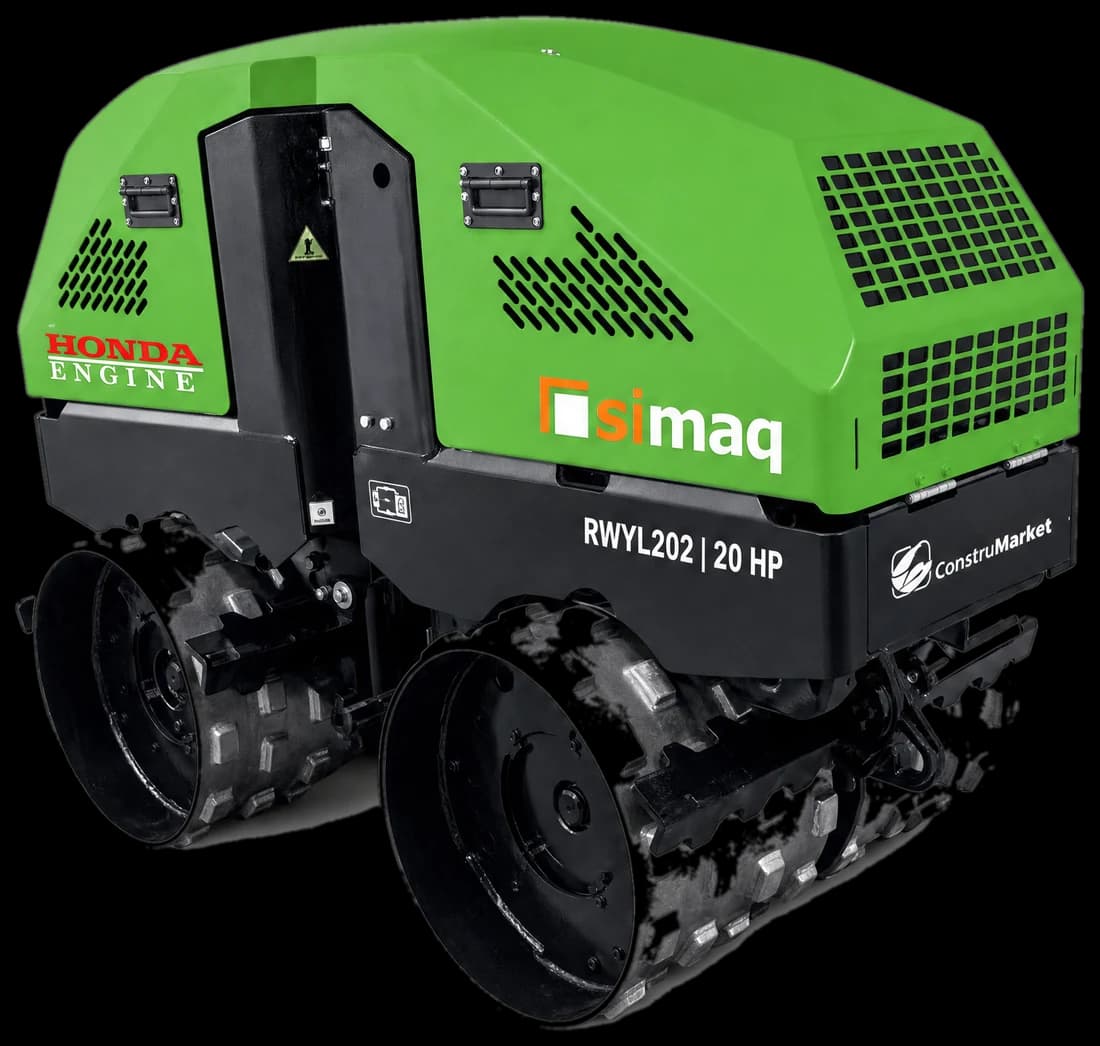
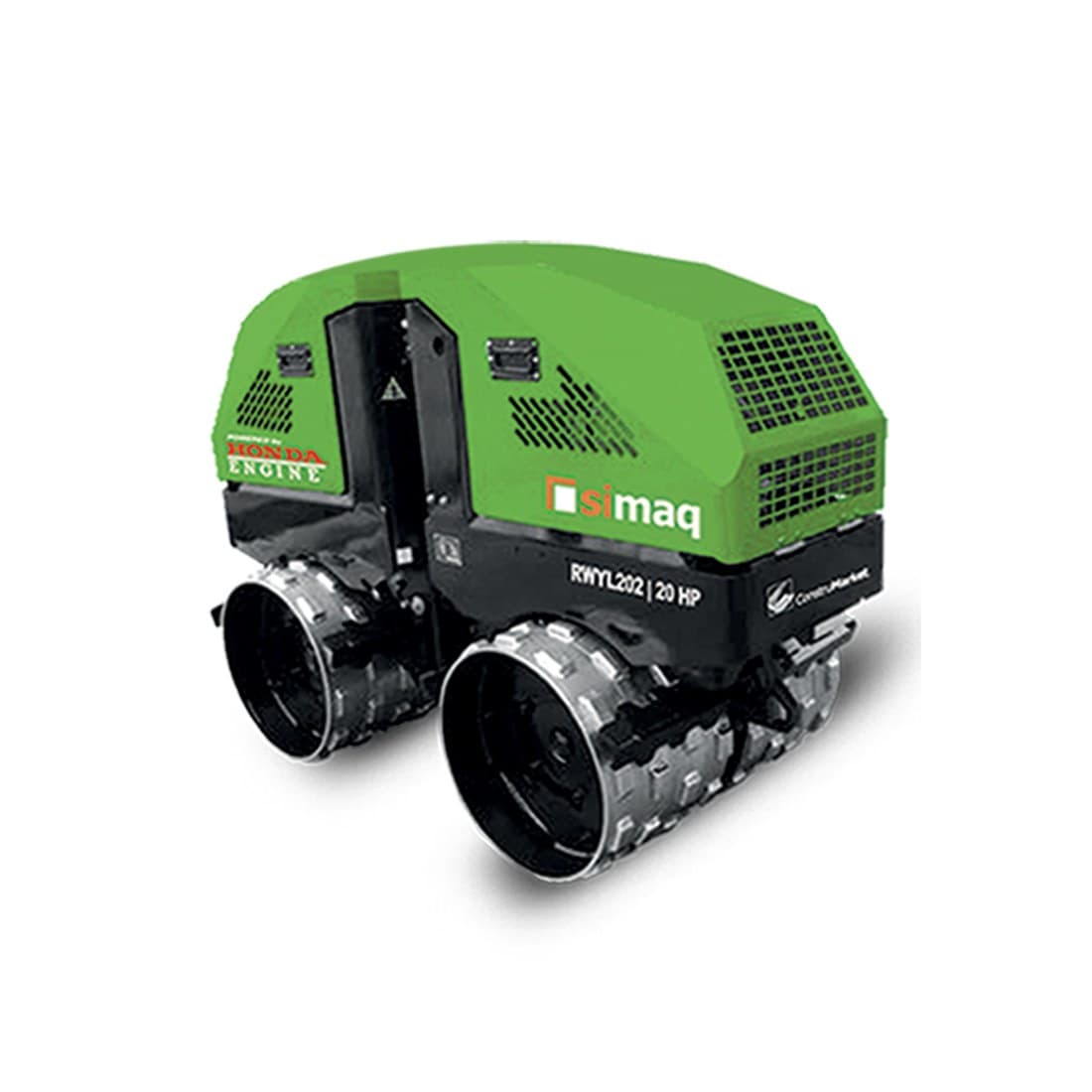
When the trench is wider than a roller drum, the soil is clay and you have hundreds of meters to go, the rammer falls behind. That's where the padfoot trench roller comes in: it kneads cohesive soil and covers more area per pass. The rammer stays on edges, manholes and the first few centimeters next to the pipe.
| Machine | Working width | Force | Use it if… |
|---|---|---|---|
| SQ60 PRO 2 rammer | 34 × 29 cm foot | 13.7 kN impact | The trench is narrow or you're working next to the pipe |
| L102 trench roller (walk-behind) | 680 mm drum | 17 kN, 0.78 t | The trench is wide, in clay, and you can walk beside it |
| L202 roller (remote control) | 600 / 850 mm drum | 70 / 35 kN, 1.53 t | You want the operator out of the trench, at a safe distance |
What about a plate? Only with granular fill and room
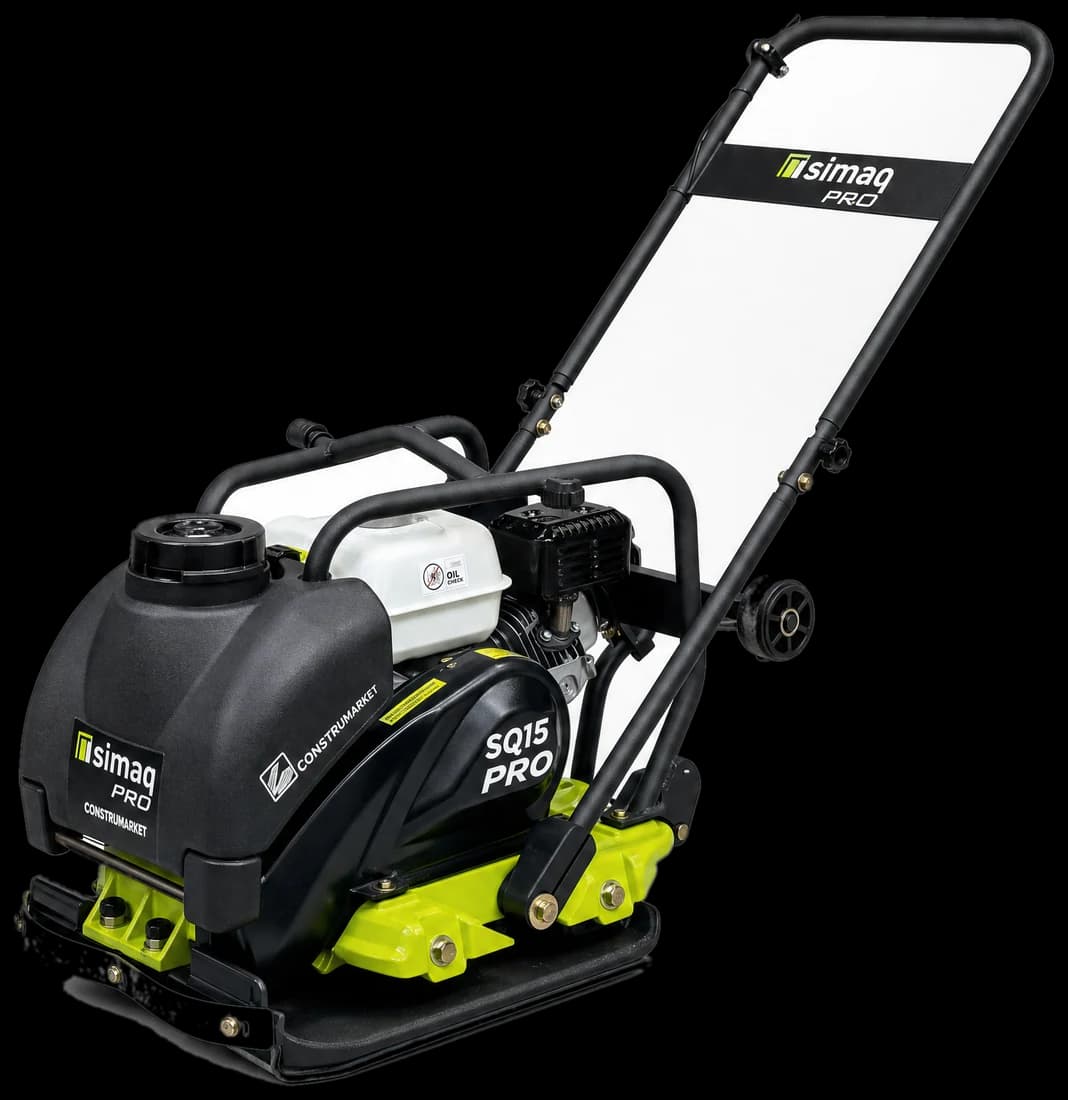
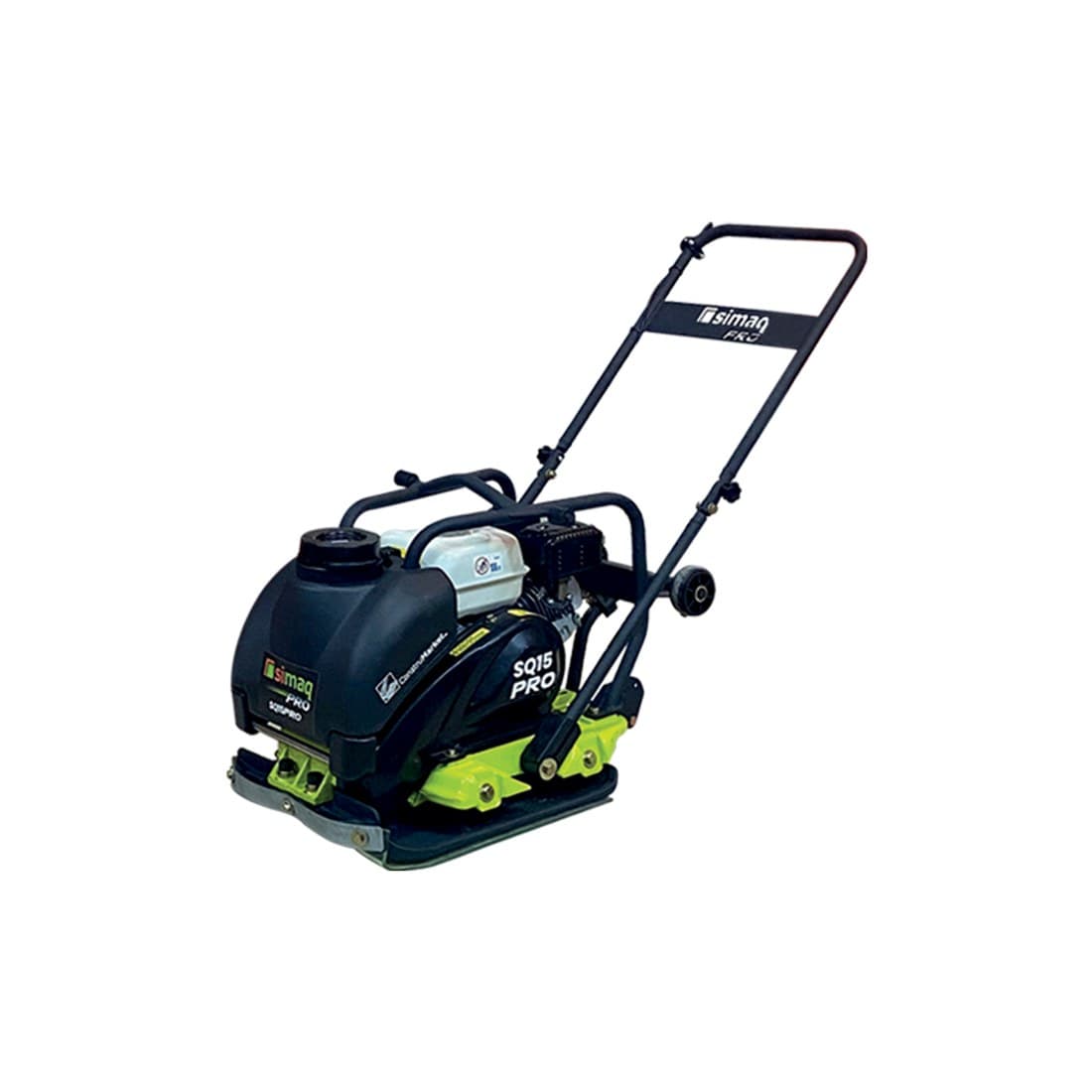
If you backfill the trench with sand, gravel or crushed base and there's room, the SQ15 PRO plate compactor works fast: 13.0 kN of centrifugal force, a 530 × 500 mm plate and up to 300 mm of compaction depth. But in clay or a narrow trench, go back to the rammer.
If you don't know what soil you have, the fist test tells you in a minute. The guide to compactors by soil type walks you through it.
Trench safety
- Don't go into a deep trench without the wall support your site requires.
- Wear hearing protection, safety boots and gloves: the rammer pounds and shakes all shift.
- Lower and lift the machine with two people or a lifting point; don't drop it into the trench.
- To move it, close the fuel valve and keep it upright.
- With the L202, the remote control lets you compact without going down into the trench.
Common mistakes
- Filling the whole trench and compacting only the top lift: the bottom stays loose and the road settles later.
- Using a plate on clay backfill: it bounces and doesn't compact.
- Ramming on top of the pipe without minimum cover: you can crack it or knock it off grade.
- Compacting soil that's too dry or soaked: either way it won't reach density.
- Putting in a roller wider than the trench or with no room to maneuver.
Takeaway
Narrow trench or next to the pipe: the SQ60 PRO 2 rammer (13.7 kN, 34 × 29 cm foot). Wide, long trench in clay: the L102 padfoot trench roller or the remote-controlled L202. Granular fill with room: the SQ15 PRO plate. Always in thin lifts at the right moisture. Request a quote from this guide and an advisor in your country will confirm the machine.
Keep going
Frequently asked
Which is better for a trench, a rammer or a plate?
The rammer. It compacts by impact, works on clay and fits narrow trenches. A plate only works if the fill is granular and the trench has room.
How wide does a trench need to be for a rammer?
Wider than the foot (34 cm on the SQ60 PRO 2), with room to steer it without hitting the walls. For a trench roller, wider than its drum: 680 mm for the L102; 600 or 850 mm for the L202.
How many passes per lift?
As a general practice, 3 or 4 overlapping passes, until the foot stops sinking. If your project requires a measured density, the lab test is what counts.
Does the rammer take an oil-gas mix?
Not the SQ60 PRO 2: it runs a four-stroke Honda GXR 120, with gasoline in the tank (2.8 L) and oil separately in the crankcase.
Where can I buy a trench rammer in Central America?
At ConstruMarket branches in El Salvador, Guatemala (CMARKET), Nicaragua and Panama. The SQ60 PRO 2 carries a 6-month warranty as light equipment; you activate it by registering the machine.