Guide · 5 min
How to choose the right compactor for your soil type
Picking the wrong compactor costs time, fuel and — worst of all — redoing the work. The good news: the soil almost always makes the call. These three questions settle 90% of cases.
soil types
max lift
passes per lift
Granular or cohesive soil?
Granular soils (sand, gravel, crushed base) compact through high-frequency vibration. Cohesive soils (clay, silt) compact through impact, not vibration. Mixing them up is the most common mistake.
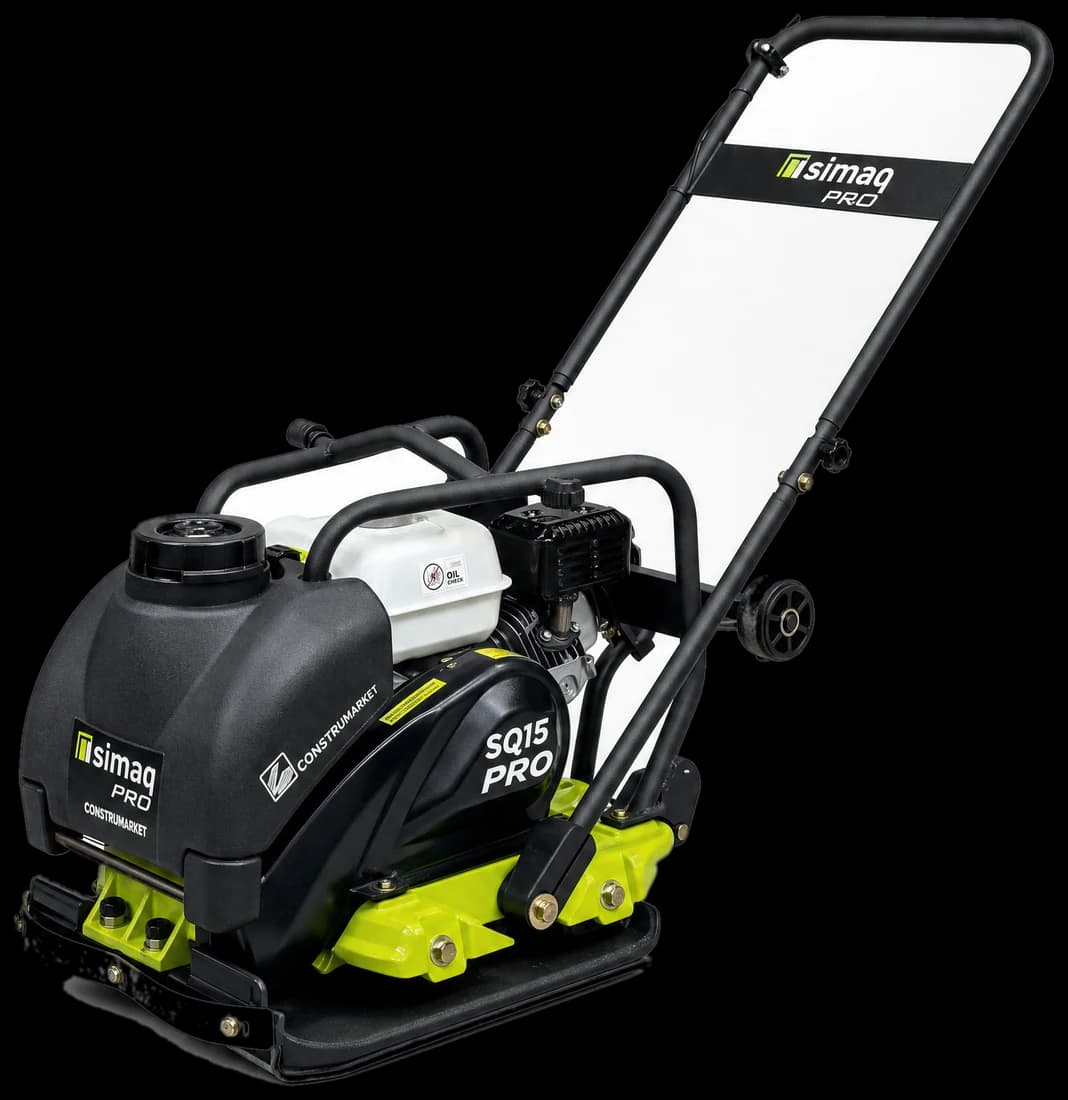
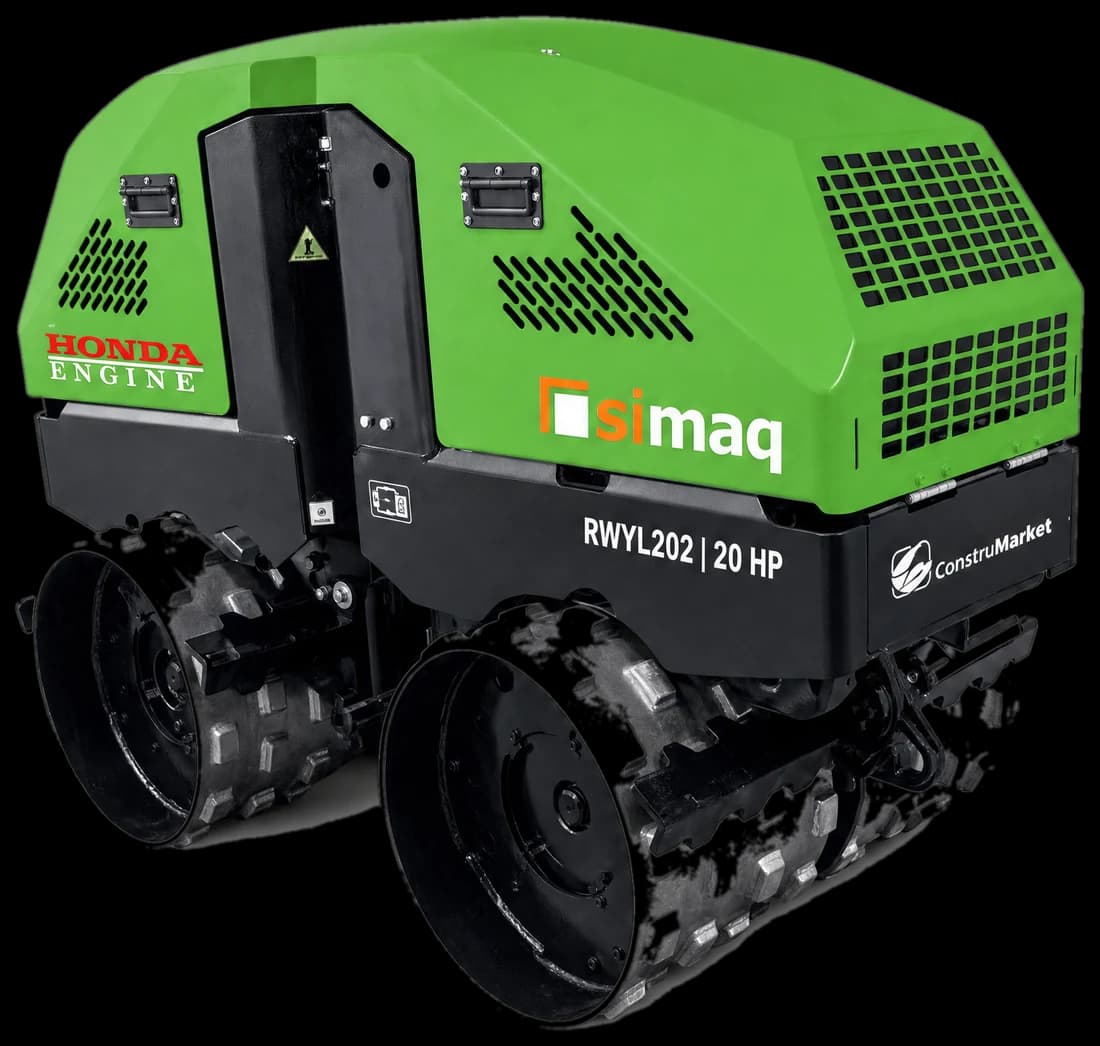
- Granular → vibratory plate or smooth roller
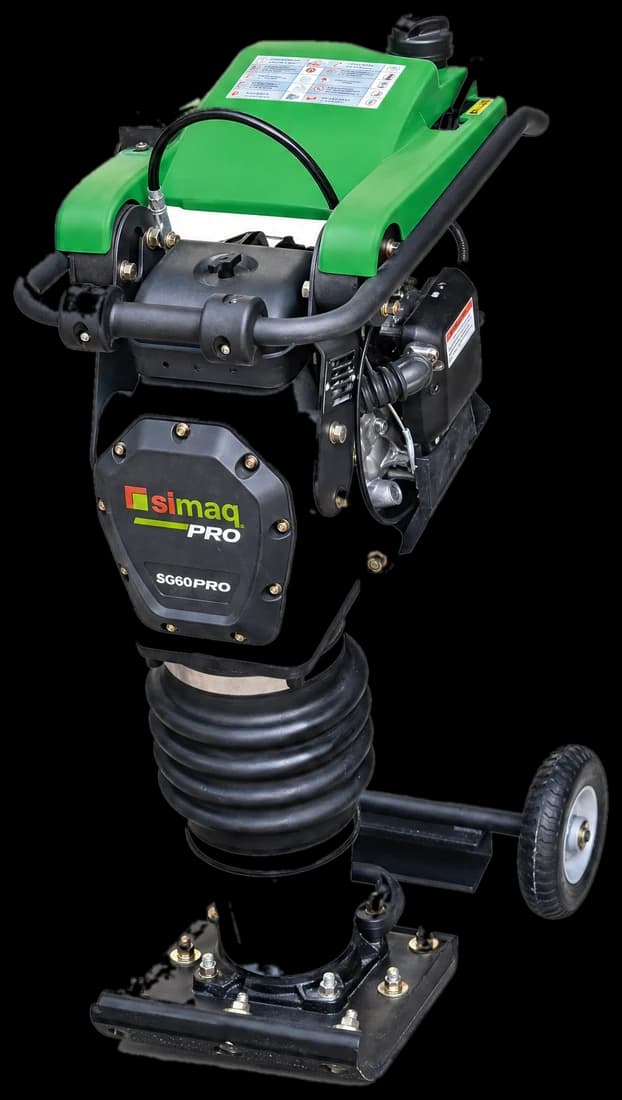
- Cohesive → rammer (jumping-jack) or padfoot roller
Open area or narrow trench?
For open areas and paving, a vibratory plate moves fast and even. For pipe trenches and tight spaces, the jumping-jack rammer fits where the plate can't, and compacts deep through impact.
Lifts, passes and moisture
Compact in 20–30 cm lifts: a thicker layer won't densify at the bottom no matter how many passes you make. Watch moisture — too dry or too wet won't reach density. And plan for several passes, not one.
Takeaway
Granular = vibration (plate or smooth roller). Cohesive or trench = impact (rammer or padfoot). Thin lifts, correct moisture, several passes. Not sure which fits? Send us the job and we'll recommend the machine.
Frequently asked
How do I know if my soil is granular or cohesive?
Wet a handful and squeeze it: if it forms a sticky ball, it's cohesive (impact); if it crumbles, it's granular (vibration).