Case study · 4 min
Case: paving an urban street in fewer passes
By the SIMAQ technical team · Grupo ConstruMarket ·
Short answer
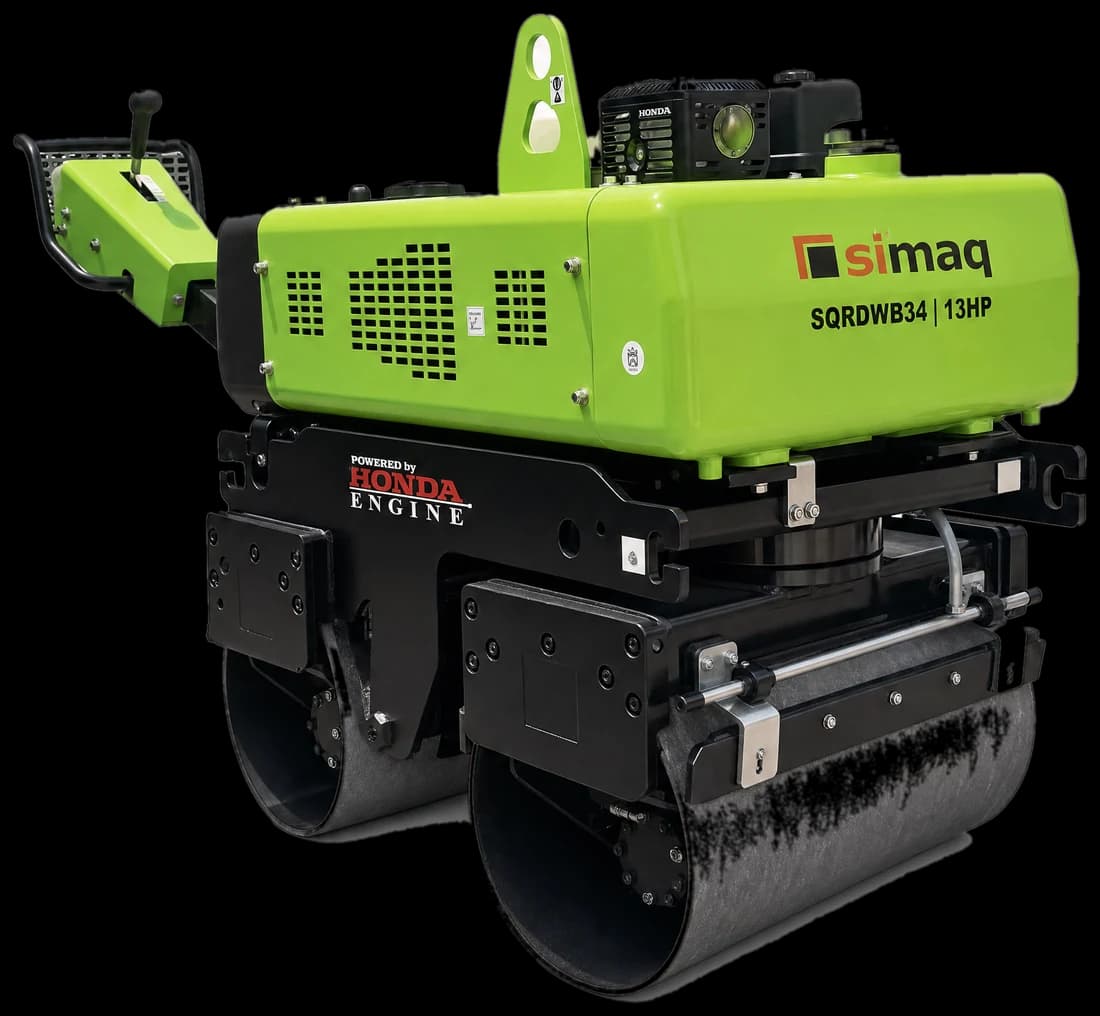
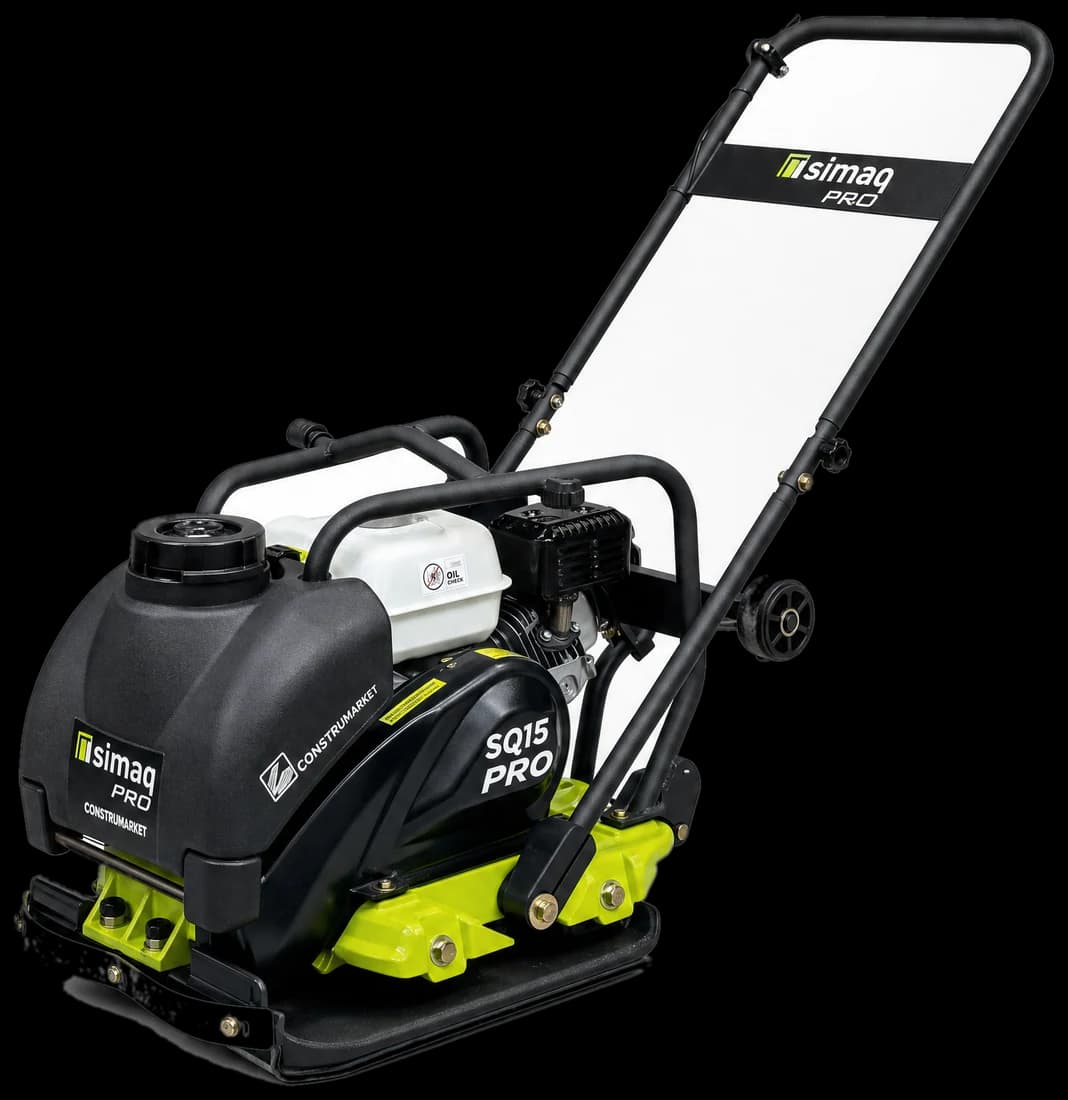
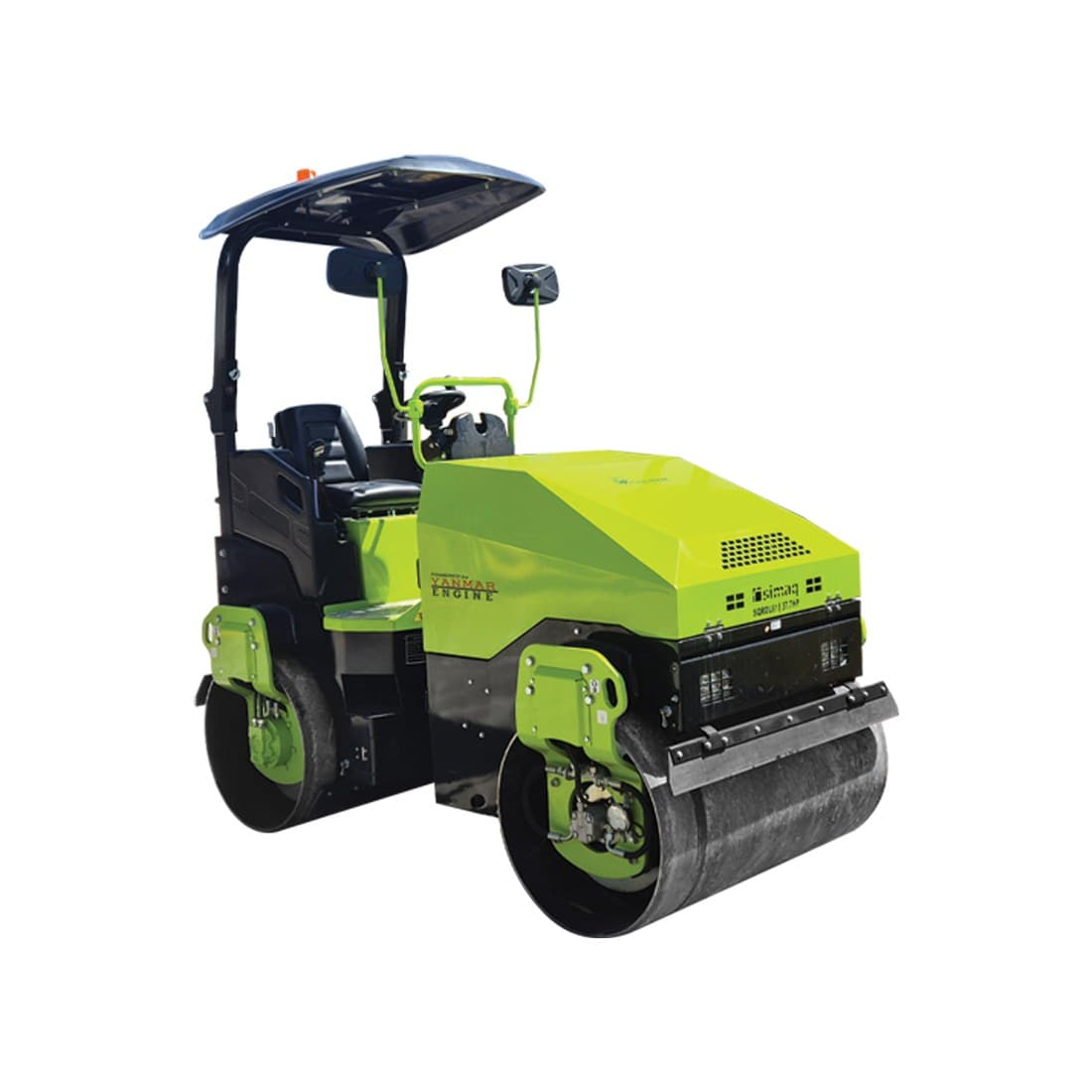
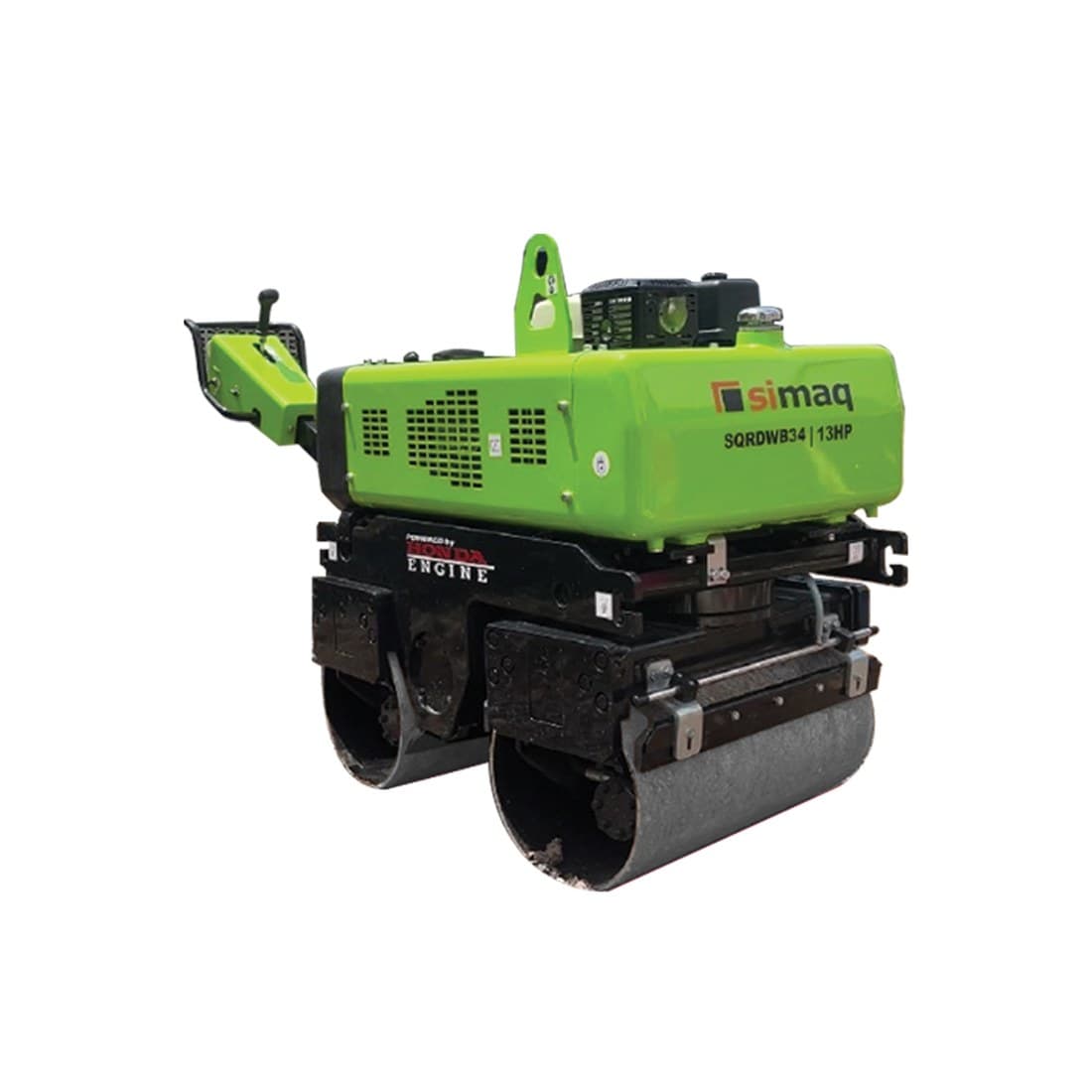
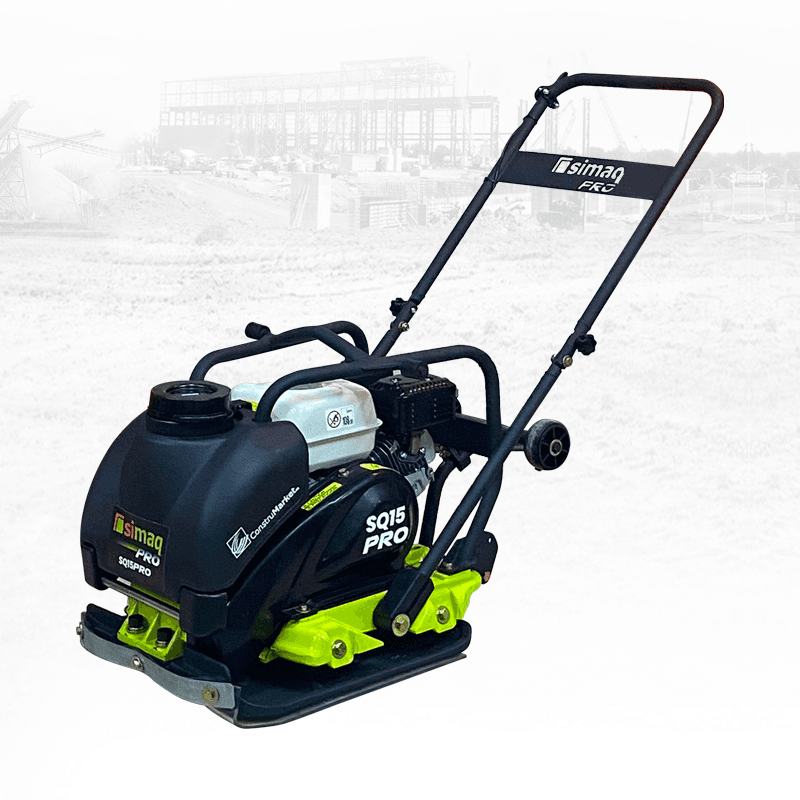
To compact base and asphalt on narrow streets, the combo that works is an SQRDWB L34 walk-behind double-drum roller (0.84 t, 680 mm drum, water spray) for the bulk of the work and the SQ15 PRO plate for edges, curbs and corners the roller can't reach. This is an illustrative application case: it shows the equipment approach, not measured results from a customer.
The challenge
A residential subdivision needed to compact granular base and then asphalt on narrow streets, without blocking residents more than necessary. The typical problems: base lifts that wouldn't densify at the bottom, edges and curbs a big roller can't reach, and short work windows.
The SIMAQ solution
- Granular base: SQRDWB L34 walk-behind double-drum roller (0.84 t, 17 kN), in 20–30 cm lifts with 3–4 passes.
- Edges, curbs and around covers: SQ15 PRO plate compactor.
- Asphalt course: the same L34 with its front and rear water spray, so the mix doesn't stick to the drum.
- Work zone marked with cones and tape while working.
How the sequence works
First the base, lift by lift, at the right moisture. Then the asphalt, with the drum always wet and without stopping the roller on the asphalt with vibration on. The plate closes out the edges at every stage, so the street is compacted curb to curb and not just down the middle.
The result
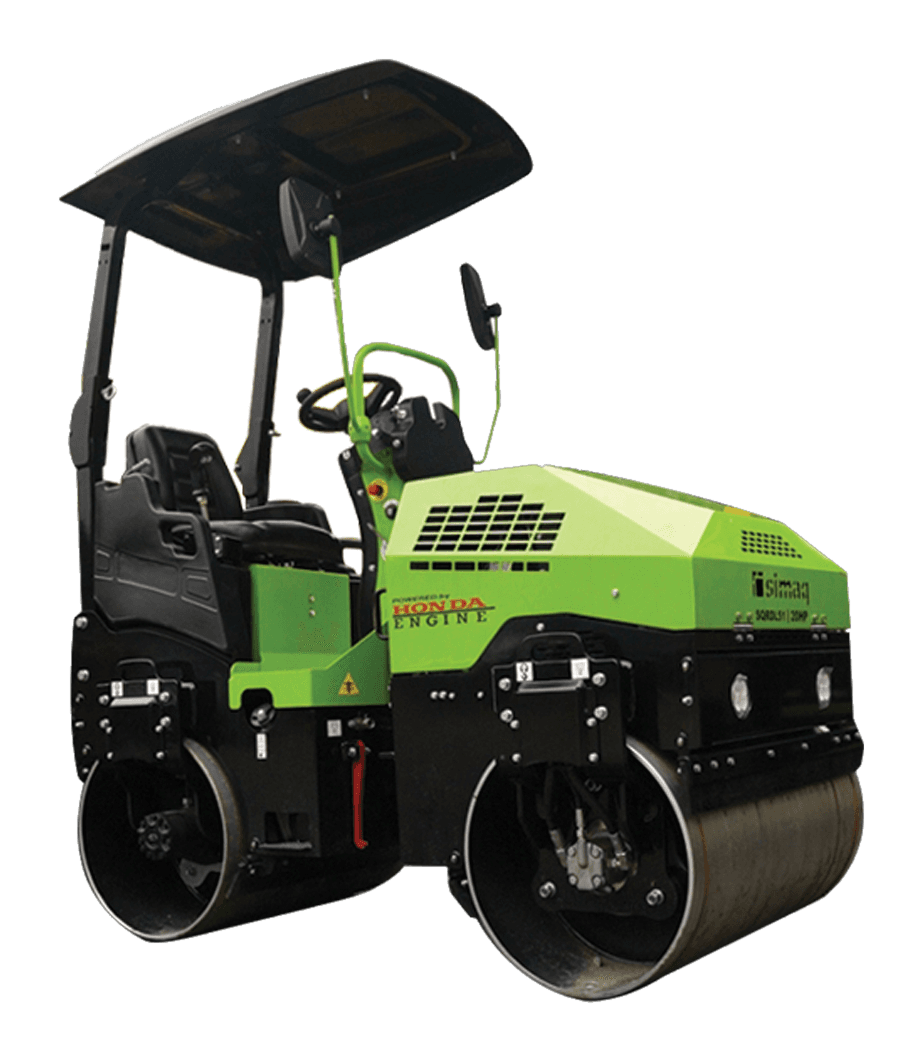
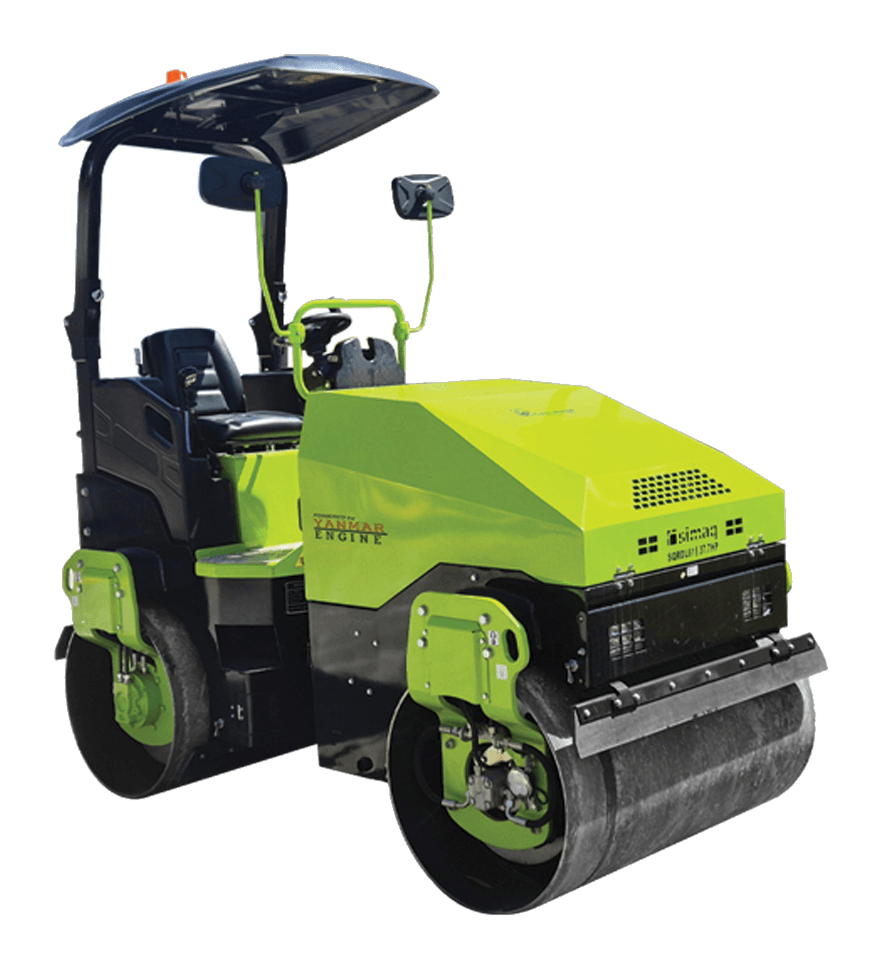
With the right machine on each part of the street, the crew avoids going back over poorly compacted areas and finishes edges without rework. For wider streets or thicker bases, the same approach scales up to a ride-on roller like the SQRD L51 (1.5 t) or the L61 (3 t). (Illustrative application case.)
Common mistakes
- Compacting only the middle of the street and leaving the edges loose.
- Placing the base in thick lifts to save time.
- Rolling asphalt with a dry drum.
Takeaway
For urban roadwork, a double-drum roller for the bulk and a plate for edges, with thin lifts and a wet drum on asphalt. Request a quote here with the meters and lift type, and an advisor will contact you during business hours.
Keep going
Take it to the job site
Print the checklist to go over it on site, or send the guide to your crew.
Frequently asked
Which roller do I use to pave a narrow street?
A walk-behind double-drum roller like the SQRDWB L34 (680 mm) maneuvers on narrow streets. If the street is wide, step up to a ride-on like the SQRD L51.
Why do I need a plate if I already have a roller?
Because the roller can't reach edges, curbs or around covers. The plate closes out those areas.
Why do you wet the drum when rolling asphalt?
So the hot mix doesn't stick to the drum and tear the surface. The L34 has front and rear spray.
SIMAQ · Job site checklist
Case: paving an urban street in fewer passes
To compact base and asphalt on narrow streets, the combo that works is an SQRDWB L34 walk-behind double-drum roller (0.84 t, 680 mm drum, water spray) for the bulk of the work and the SQ15 PRO plate for edges, curbs and corners the roller can't reach. This is an illustrative application case: it shows the equipment approach, not measured results from a customer.
The SIMAQ solution
- Granular base: SQRDWB L34 walk-behind double-drum roller (0.84 t, 17 kN), in 20–30 cm lifts with 3–4 passes.
- Edges, curbs and around covers: SQ15 PRO plate compactor.
- Asphalt course: the same L34 with its front and rear water spray, so the mix doesn't stick to the drum.
- Work zone marked with cones and tape while working.
Avoid
- Compacting only the middle of the street and leaving the edges loose.
- Placing the base in thick lifts to save time.
- Rolling asphalt with a dry drum.
Job site:
Date:
Supervisor:
Scan it for the full guide, with video and FAQ
https://simaq.pro/en/recursos/caso-pavimentacion-urbana