Guide · 7 min
What road signaling equipment does a work zone need? The kit by closure type
Also called: channelizer drum, traffic cone, delineator post, speed bump
By the SIMAQ technical team · Grupo ConstruMarket ·
Short answer
A roadwork zone needs equipment for three jobs: channeling traffic (28″ cones, 91 cm channelizer drums and delineator posts), warning and closing the perimeter (caution tape, 1 m high mesh and reflective tape) and protecting the crew (reflective vests and speed bumps at accesses). How many pieces and how far apart is set by the traffic-management plan approved for your project.
jobs: channel, warn, protect
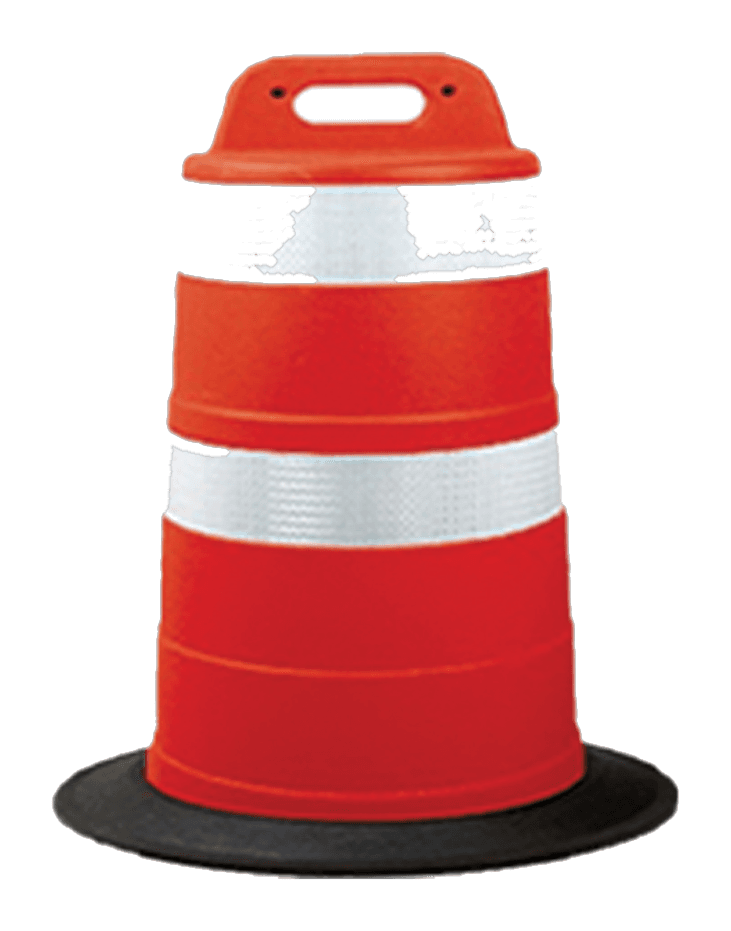
drum with 2 reflective bands
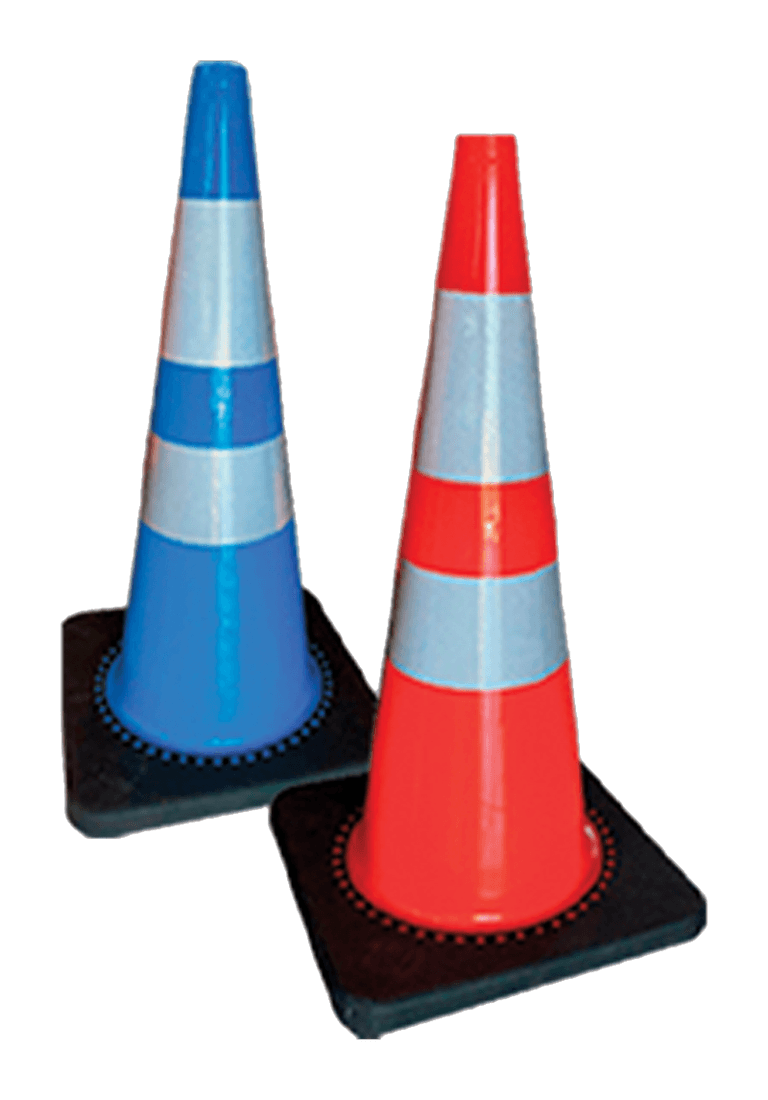
28″ cone
Each piece, its job
A work zone on the road has three duties: warn early, channel traffic clearly and protect the people working. Each piece of the kit covers one of those jobs; if one is missing, the kit isn't complete no matter how many cones there are.
| SIMAQ piece | Job | Spec |
|---|---|---|
| 28″ traffic cone | Channel tapers and short closures | 71 cm, weighted base, reflective, orange or cyan |
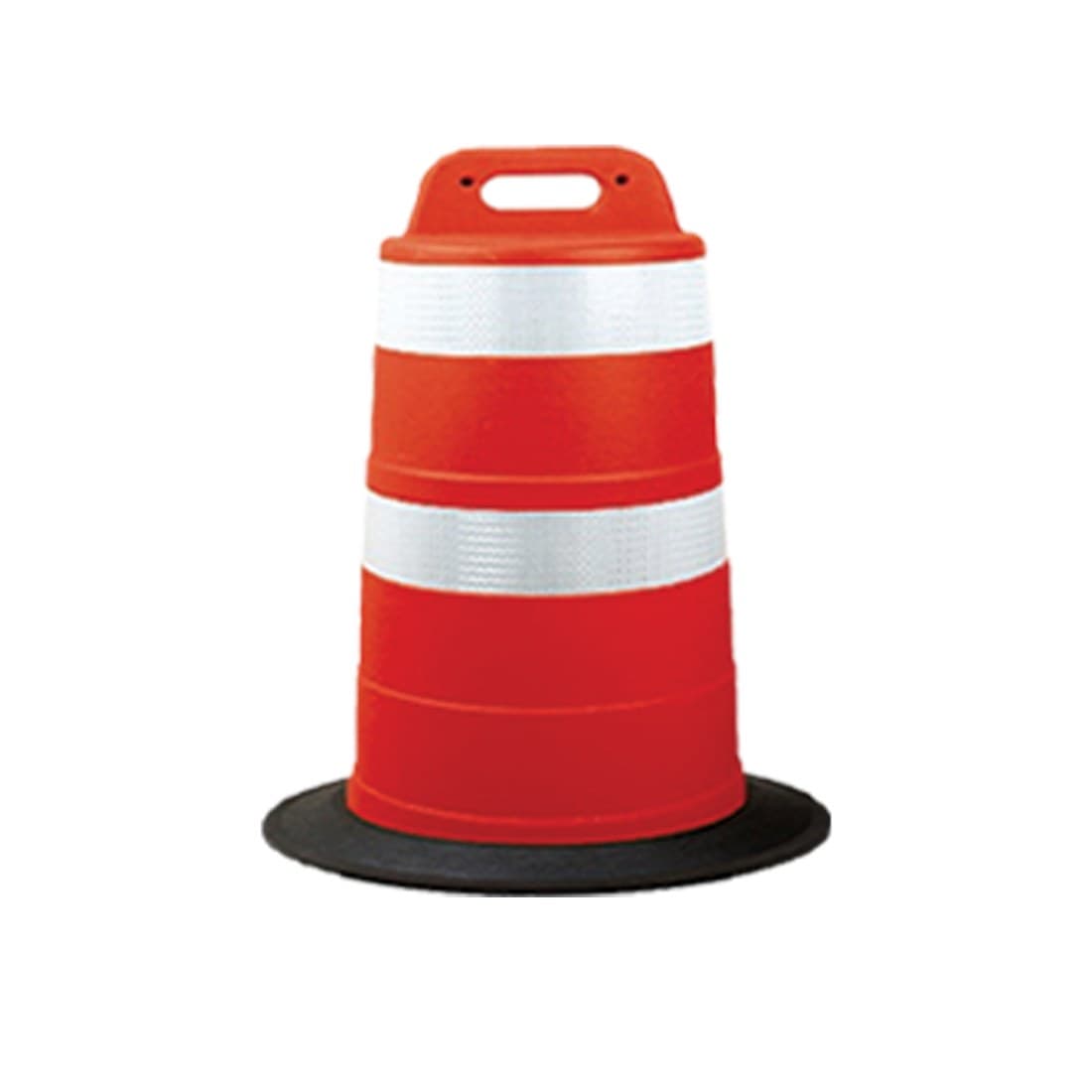
| Channelizer drum | Channel overnight or long closures | 91 cm, 2 reflective bands, weighted base, handle |
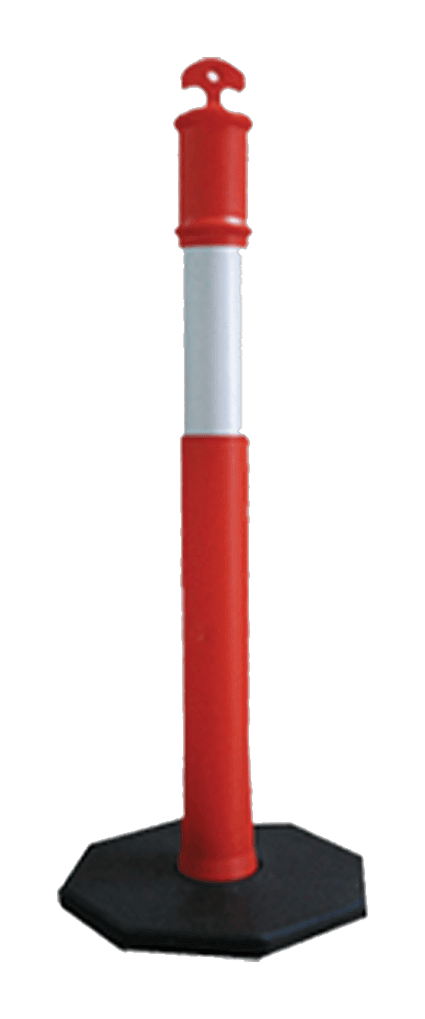
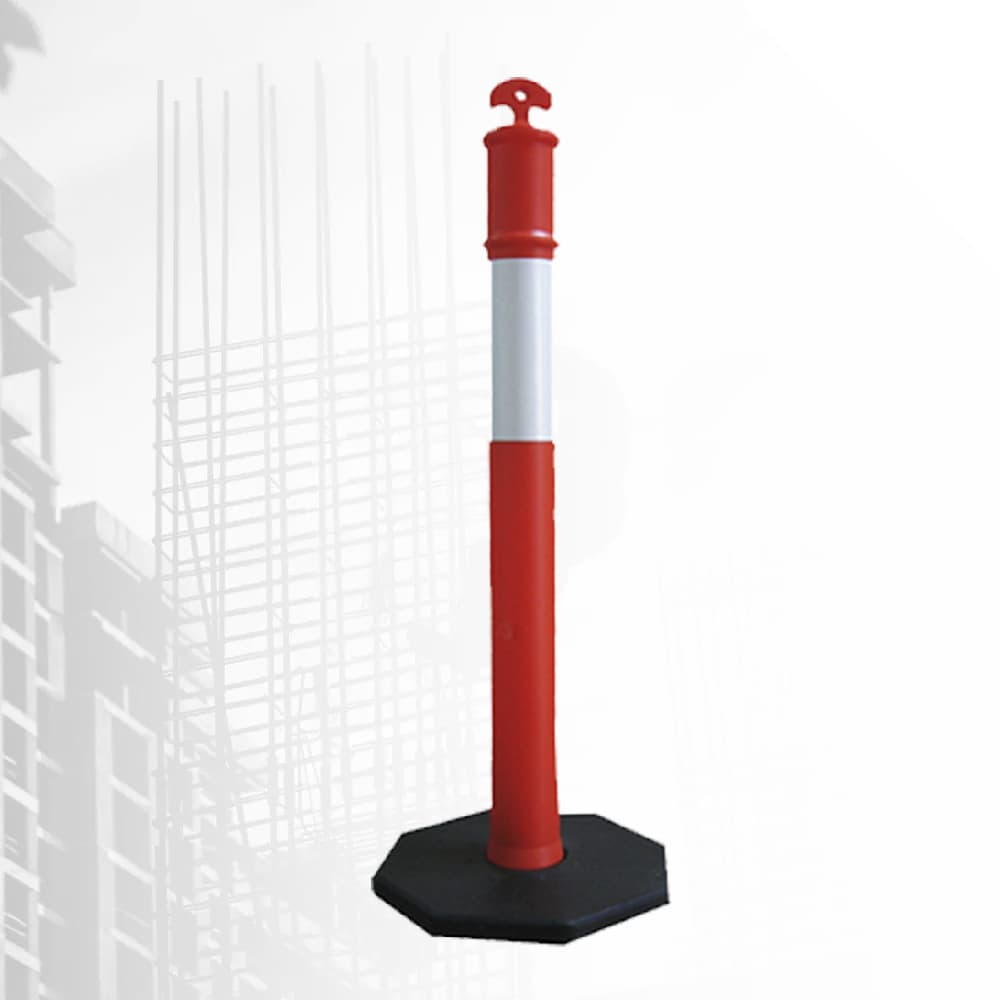
| Delineator post | Mark long continuous lines | 115 cm, 6 kg base, flexible, reflective band |
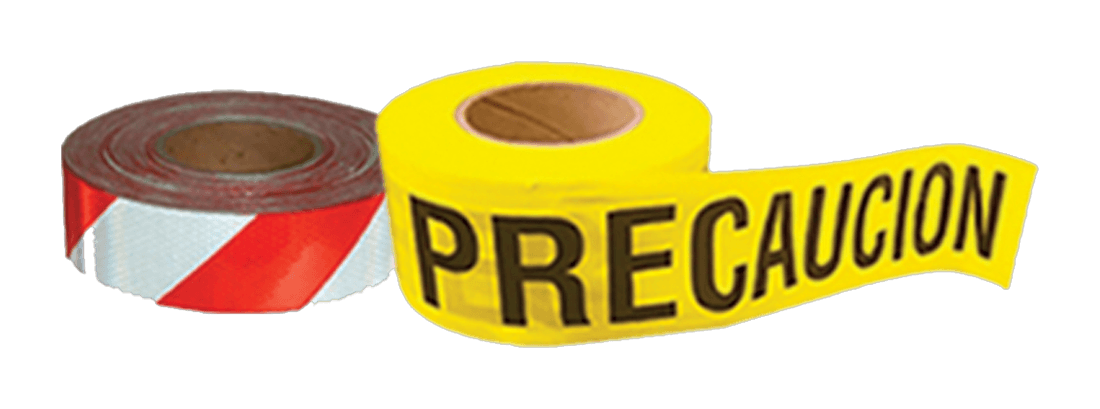
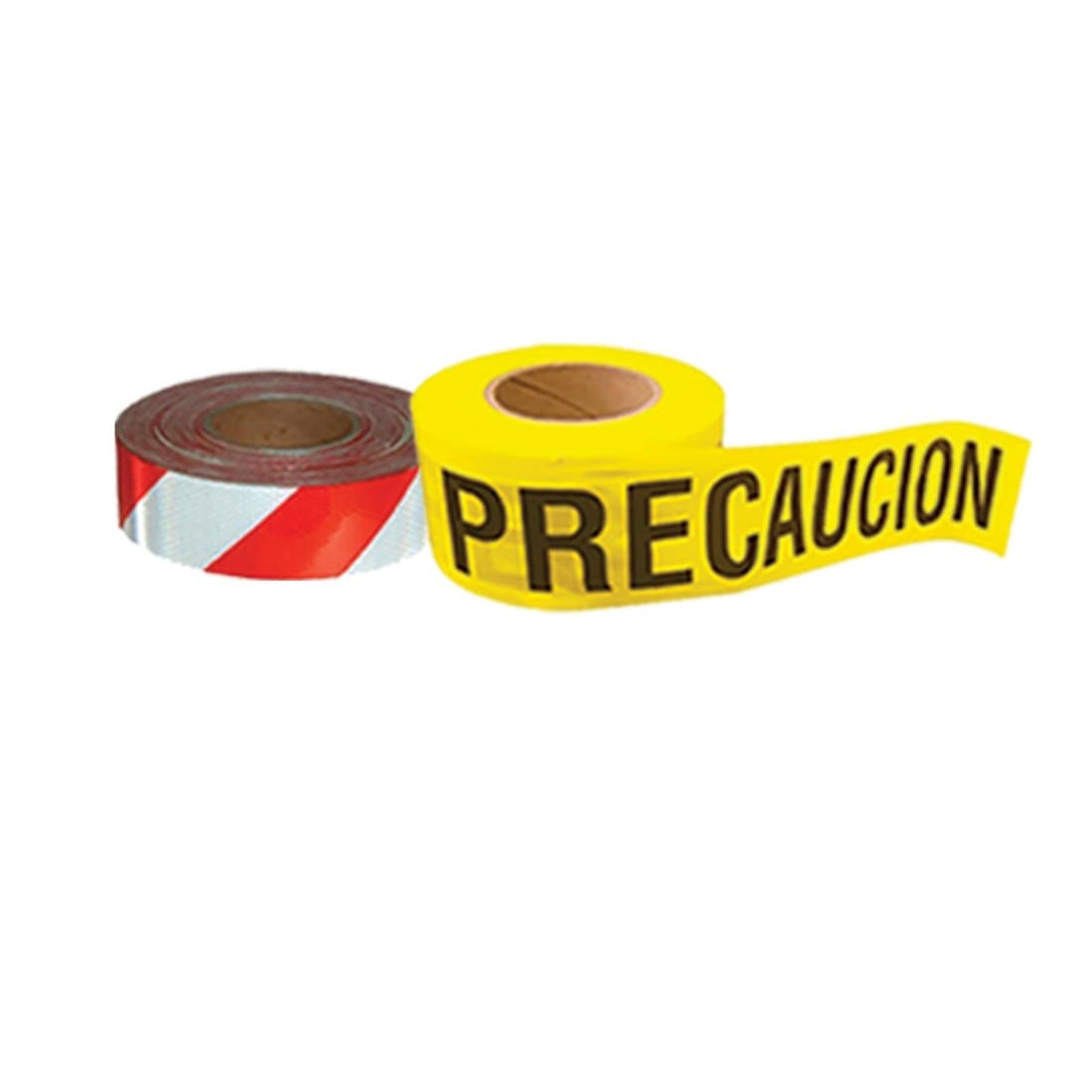
| «CAUTION» barrier tape | Mark the pedestrian perimeter | 250 m × 5 cm roll |
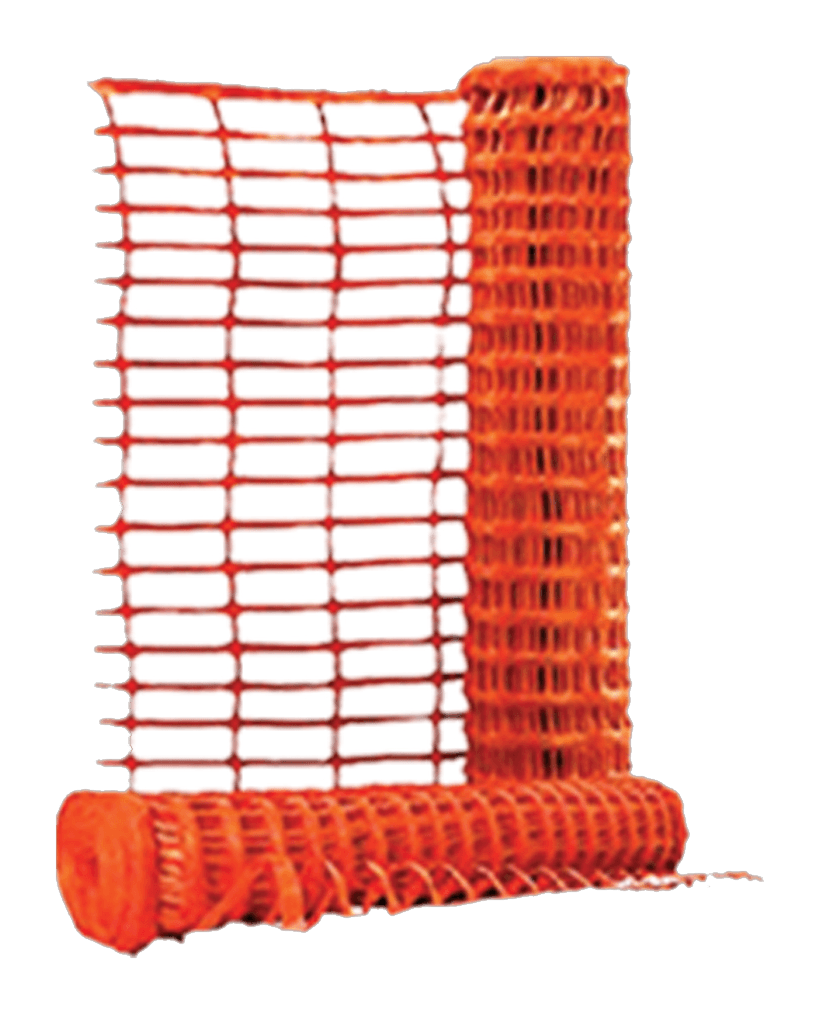
| Safety mesh roll | Close off trenches and excavations | 50 m × 1.00 m high |
| Reflective adhesive tape | Make edges and equipment visible at night | 50 m × 2″ roll, red/white |
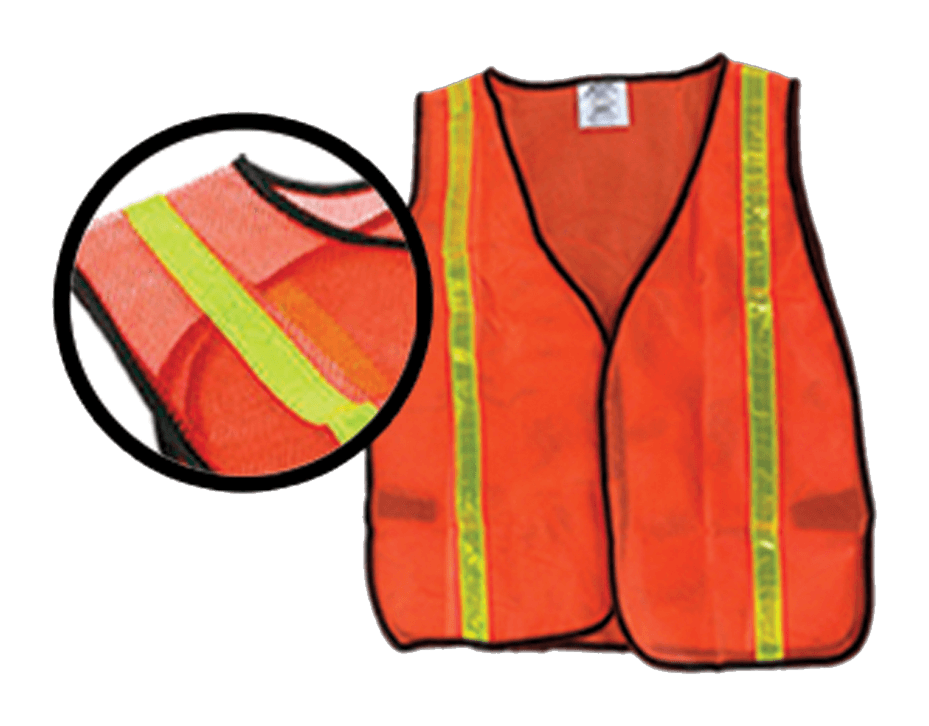
| Reflective vests | Make the crew visible | Orange mesh; cyan to CE EN471 Class 2 |
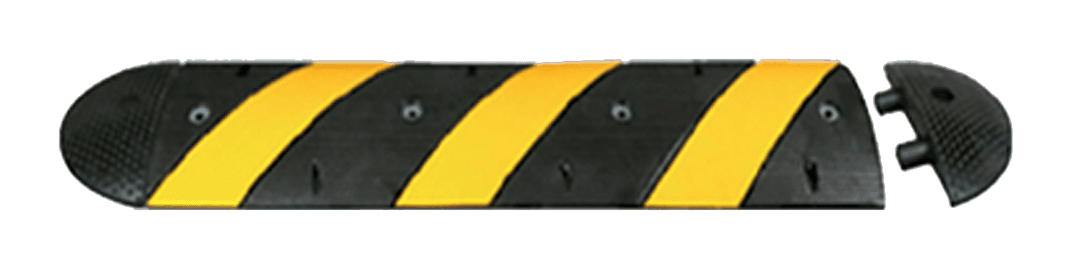
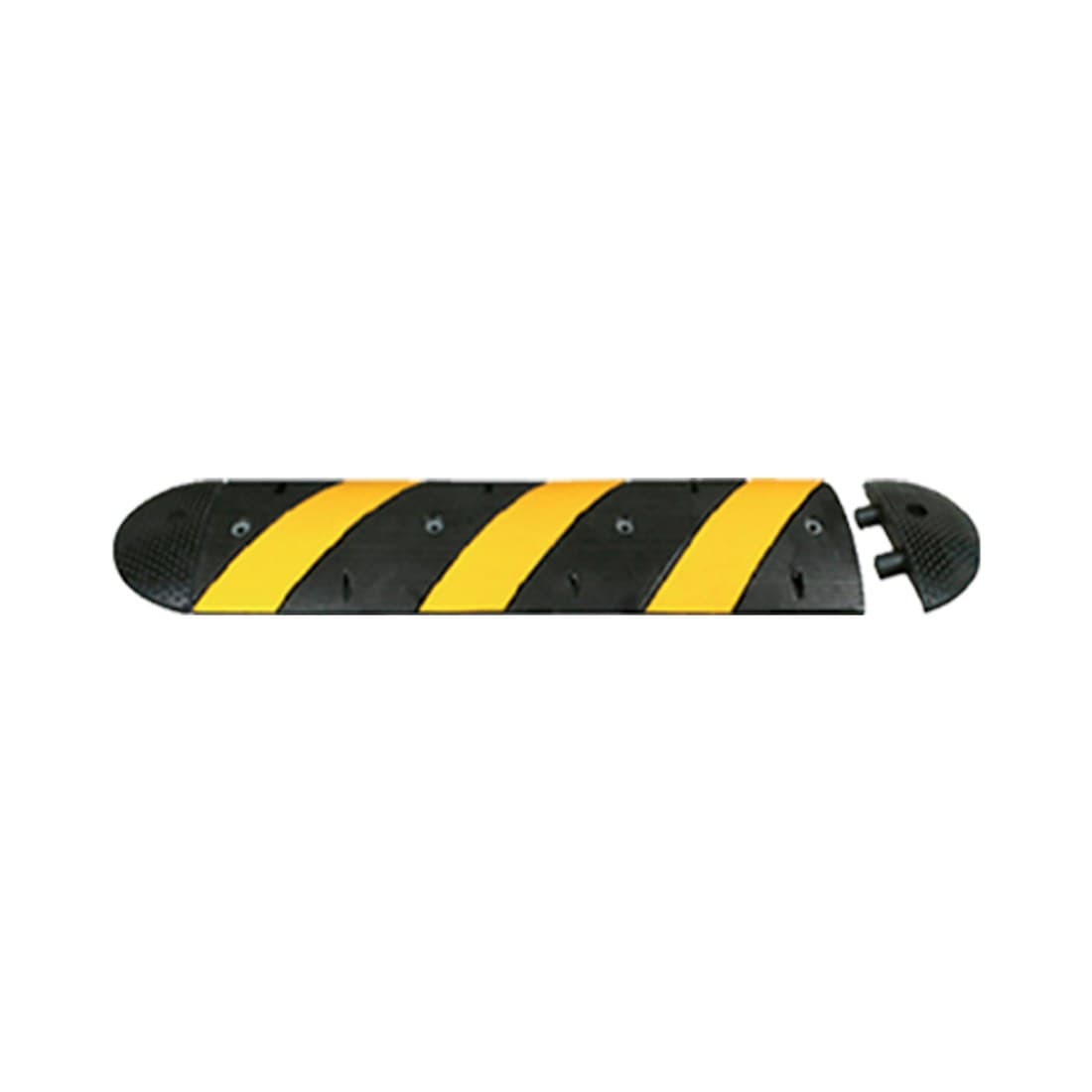
| Speed bump | Slow traffic at accesses and yards | 122 × 30 × 5 cm module, 16 kg, low noise |
Channeling: cones, drums and posts
A lane closure always follows the same logic: an advance warning area, a taper where cones or drums move drivers out of the lane, the protected work area and an end zone that gives the lane back. The distances and number of pieces in each section aren't fixed: they depend on road speed and are set by the approved traffic-management plan.
The weighted-base 28″ cone is the universal piece for tapers and closures of a few hours. If the closure stays overnight or lasts weeks, the 91 cm drum is more visible and steadier in truck wind. The delineator post with its 6 kg base marks long lines, like a trench edge or a median, without invading the lane.
- Short daytime taper → cones.
- Overnight or weeks-long closure → drums.
- Long continuous line (trench edge, median) → delineator posts.

Warning and closing off: tape and mesh
«CAUTION» tape marks the perimeter and warns, but it doesn't stop anyone. The 1 m high mesh physically closes off trenches and excavations: it's the difference between a pedestrian seeing the hole and not being able to fall in it. Red and white reflective adhesive tape turns edges, rails or a parked machine into a night-visible surface.
Protecting the crew: vests and speed bumps
Everyone on the road wears a reflective vest. The orange mesh vest, with PVC stripes front and back, is the crew vest. The cyan one, 100% polyester with 5 cm stripes, meets CE EN471 Class 2: use it where the contract calls for that standard.
Where traffic lives alongside the works —neighborhoods, parking lots, accesses—, the speed bump physically slows vehicles. It's built from center modules and end caps, and its low-noise design makes it fit for residential areas.
The kit per closure type
- A spot job lasting hours → cones, caution tape and vests.
- A trench open for several days → perimeter mesh, drums on the road and reflective tape on the edges.
- A detour lasting weeks → drums, delineator posts, speed bumps at accesses and a light tower for night shifts.
- Night work → all of the above with reflective pieces and light aimed at the work, not at drivers.
Common mistakes
- Placing lots of cones with no advance warning: drivers come upon the closure too late.
- Leaving cones overnight on a long closure instead of drums.
- Using only tape around an open trench: tape warns, it doesn't protect.
- Working on the road without a vest «because it's just a minute».
- Making up taper distances instead of following the approved traffic plan.
- Aiming the light tower at drivers.
Takeaway
Build the kit by function —channel, warn, protect— and size it by how long the closure stays on the road and by what your traffic plan says. Request a quote here for the full kit and an advisor will contact you during business hours; you'll find it at ConstruMarket branches in El Salvador, Guatemala (CMARKET), Nicaragua and Panama.
Keep going
Frequently asked
Cone or drum: which one?
Cones for maneuvers and closures of a few hours; drums when signaling stays overnight or traffic is heavy: more height, more reflective area and less blow-over from truck wind.
What is a channelizer drum?
A high-visibility drum that guides traffic through detours and lane closures. SIMAQ's is 91 cm tall, with 2 reflective bands, a weighted base and a carry handle.
Does regulation require a set number of cones per closure?
It depends on the country and the traffic-management plan approved for your project. With that plan, the advisor helps you build the kit before you buy.
Which reflective vest do I need?
For the crew, the orange mesh vest. If your contract requires CE EN471 Class 2, the cyan polyester vest meets it.
Does the speed bump work on any street?
It's designed for accesses, parking lots and residential areas, with a low-noise design. On main roads, the traffic authority decides whether it's allowed.