Guide · 5 min
When and how do you cure concrete? Methods, days and mistakes
Also called: concrete curing, wet curing, keeping concrete moist
By the SIMAQ technical team · Grupo ConstruMarket ·
Short answer
Start curing as soon as you finish and the surface holds without marking: don't wait for the next day. Keep the concrete moist and shielded from sun and wind for at least 7 days with normal portland cement, as a general practice (if your spec says otherwise, it rules), using water, wet burlap, plastic sheeting or curing compound. You don't need an expensive machine: you need consistency, because those days decide the strength and the hardness of the surface.
days of waiting after finishing
moist (general practice)
design strength
What curing is and why your concrete needs it
Concrete doesn't «dry»: it hardens because cement reacts with water. If the surface loses that water too early, the reaction stalls right in the layer that works hardest. The result is a weaker slab, a dusty surface and fine cracks that show up in the first hours.
In Central America the risk is high: strong sun, wind and heat pull water from the surface very fast. Curing simply means not letting that happen during the first days.
When to start: as soon as finishing ends
On slabs and floors, curing starts once you've finished screeding and troweling and the surface no longer marks when you cover it or wet it gently. Waiting until the next day is the costliest mistake: the first hours are when evaporation is highest.
If it's hot or windy, protect it from the pour on: pour in the cooler hours, set up shade or windbreaks, and have the curing material ready before you start. On columns and walls, the formwork protects while it's on; once you strip it, cure the exposed faces.
The 4 curing methods and when to use each
You can combine them: water or burlap the first days with plastic on top so it doesn't evaporate. What doesn't work is wetting it «whenever someone remembers». Wetting and letting it dry off and on is almost as bad as not curing.
| Method | Works well on… | Watch out for… |
|---|---|---|
| Water (sprinkling or ponding) | Slabs and floors with water on hand | Never let it dry between wettings; no strong jet on young concrete |
| Wet burlap or blankets | Slabs, columns and walls | Keep them wet; a dry cover pulls water from the concrete |
| Plastic sheeting | Where water is hard to get; wrapped columns | Seal and overlap the edges; it can mottle the surface |
| Curing compound | Large areas and paving | If a floor finish or paint goes on top, check with the supplier first |
How many days do you cure?
As a general practice, at least 7 days moist with normal portland cement. Cements that gain strength more slowly and cool days call for more time. If your spec or the structural engineer sets a different period, that's the one that counts.
Design strength (f′c) is measured at 28 days. Until then the concrete is still gaining strength: don't put heavy loads on it or pull shoring before the engineer says so.
Slabs, columns and troweled floors: what changes
- Slabs: curing compound or water as soon as you can, and saw control joints on time; after cutting, keep curing.
- Columns and walls: wet the formwork while it's on; once stripped, wrap in plastic or wet burlap.
- Troweled floors: ponding can mark a fine finish; use a compatible compound or well-laid plastic.
- Road concrete: curing compound is the practical way to cover large areas in one go.
What's decided before curing
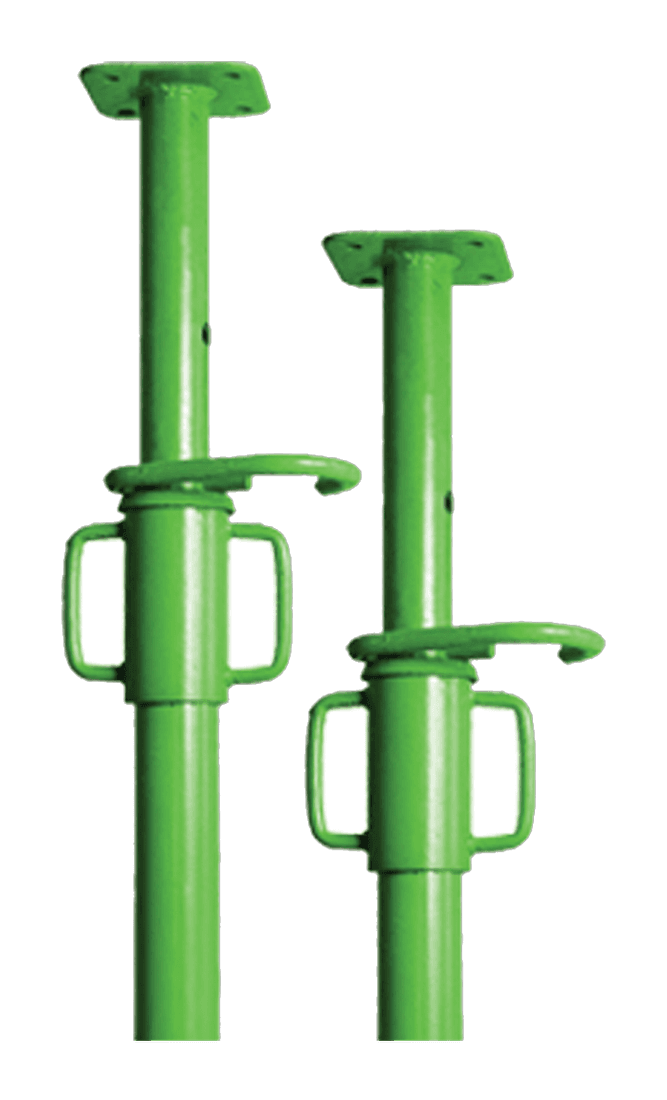
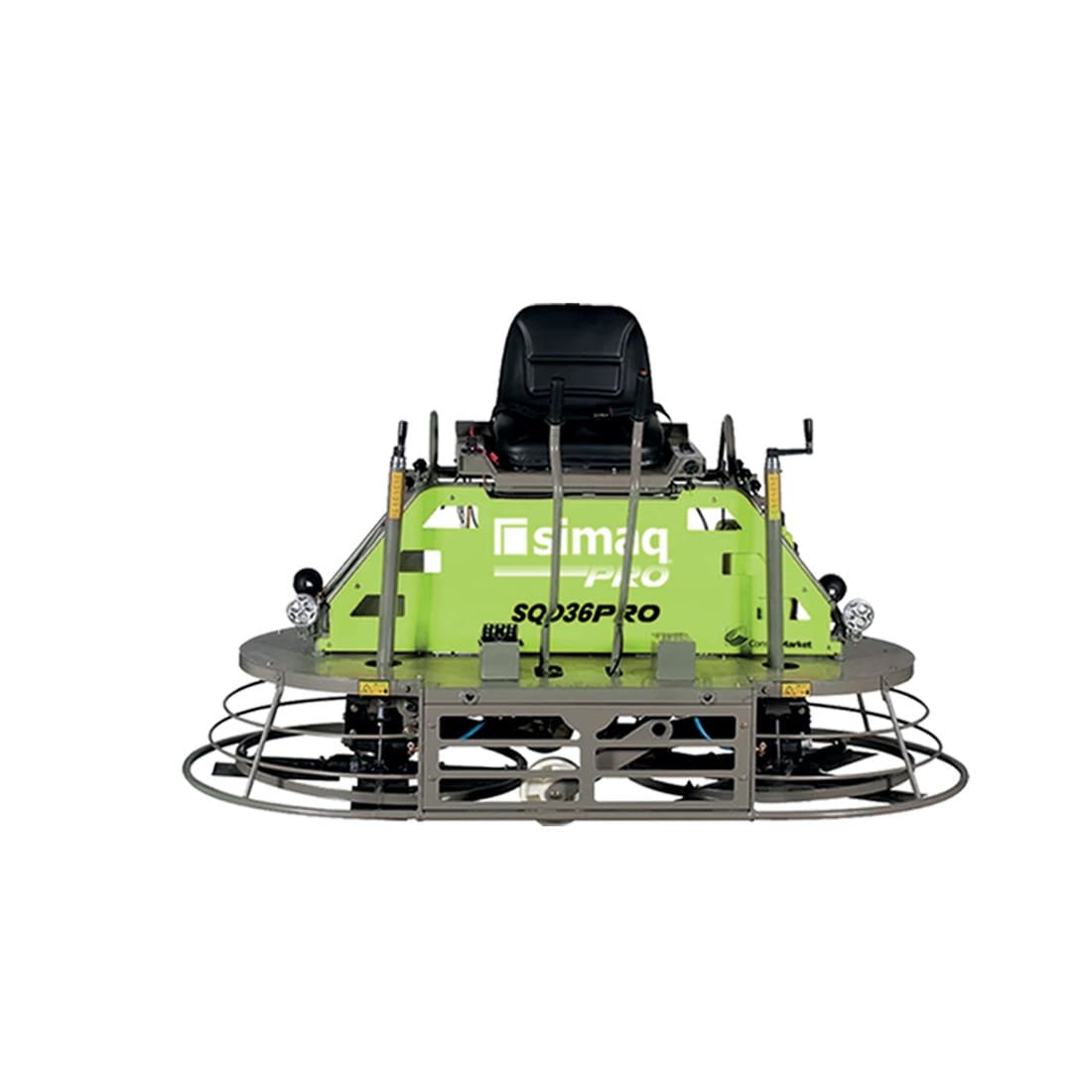
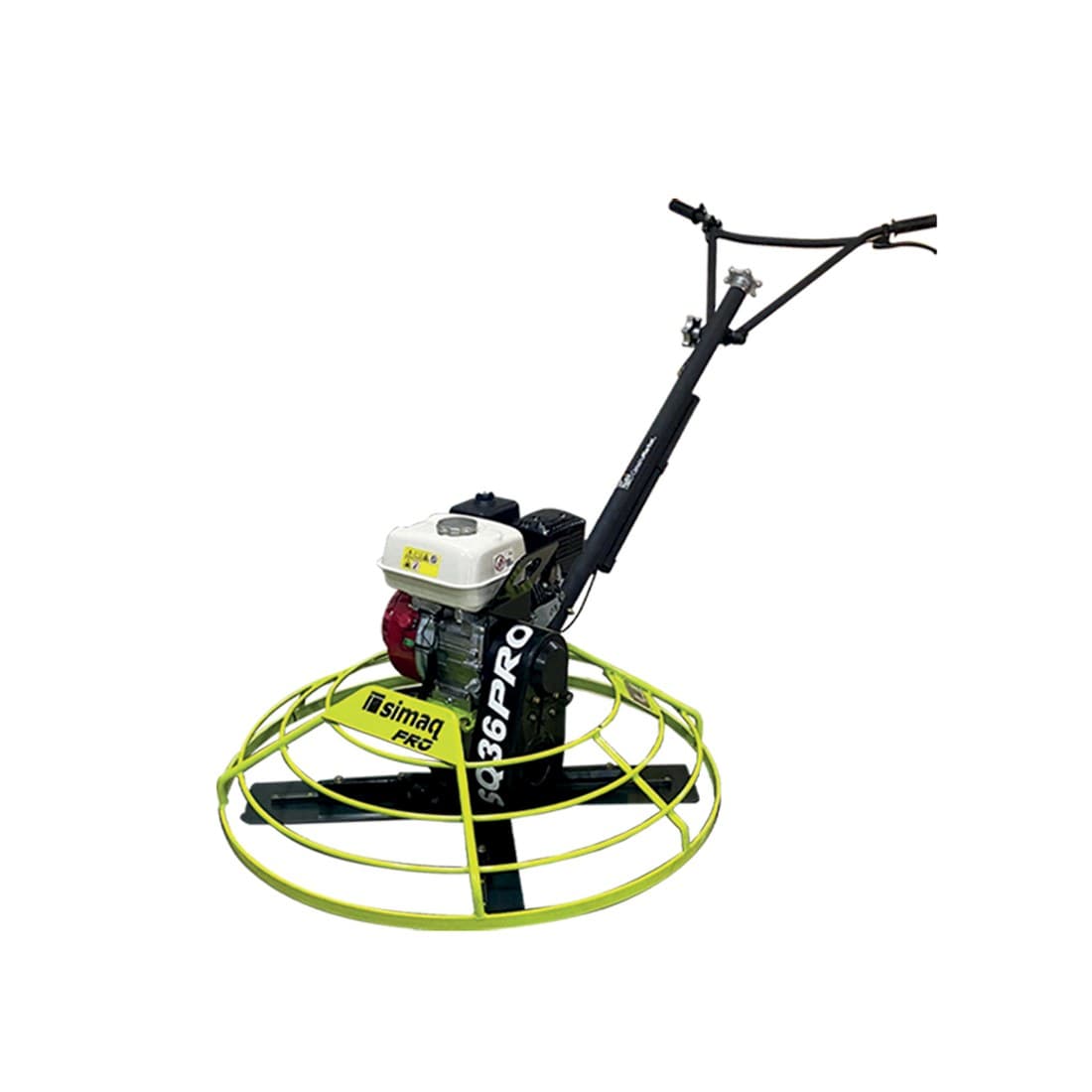
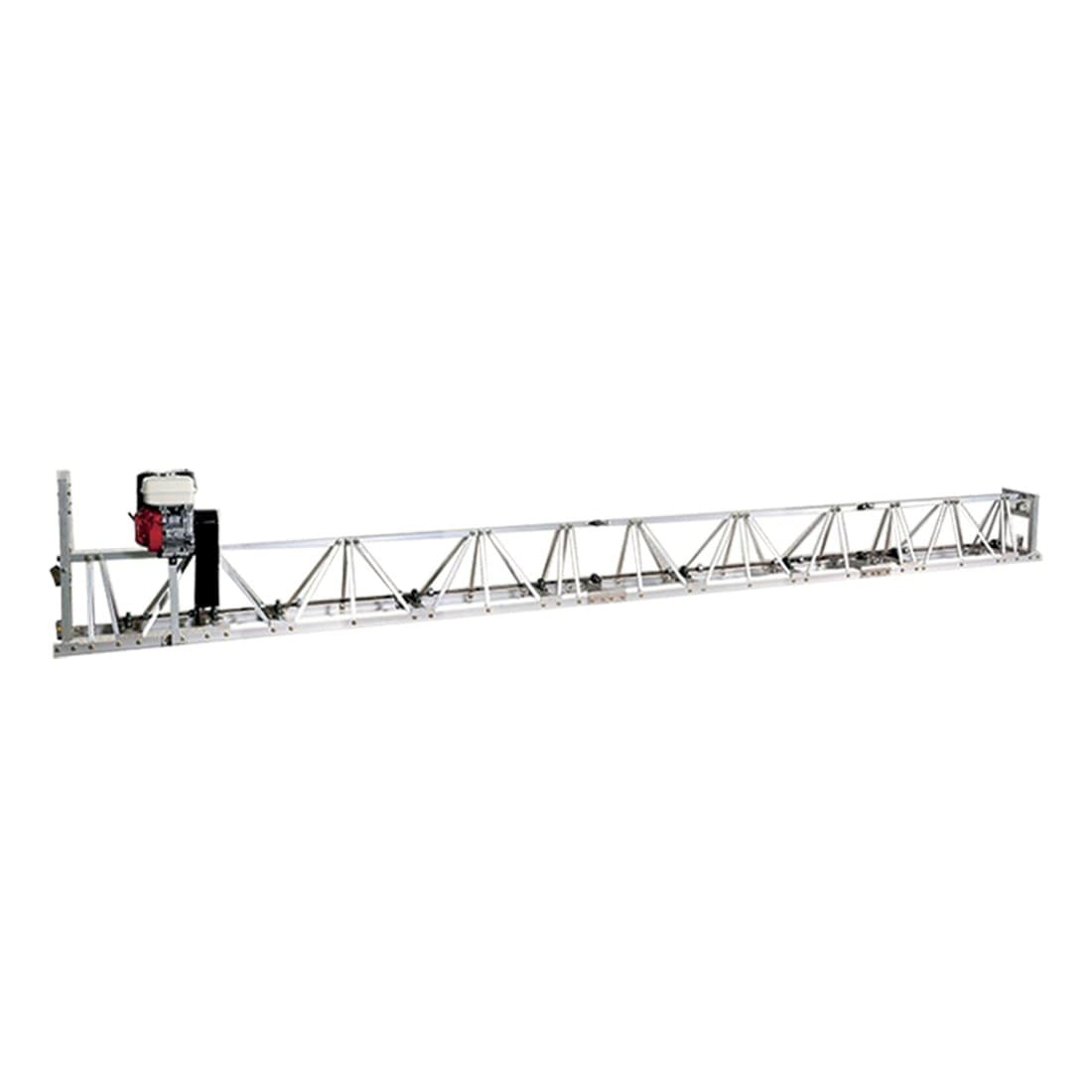
Curing doesn't fix badly made concrete. What counts first is the mix (measured water, not extra), vibration that drives the air out, and the screed and trowel that leave a closed surface. SIMAQ has electric and gas vibrators, 1.2 m and 6 m vibrating screeds, and the SQ36 PRO and SQ36DOUBLE PRO trowels for those steps.
At ConstruMarket branches in El Salvador, Guatemala (CMARKET), Nicaragua and Panama. Request a quote from this guide and an advisor in your country will confirm the model and availability.
Common mistakes
- Waiting until the next day to start curing: the first hours have the most evaporation.
- Wetting off and on and letting it dry in between.
- Hitting young concrete with a strong jet: it marks and washes the surface.
- Covering with dry burlap: it pulls water out of the concrete instead of adding it.
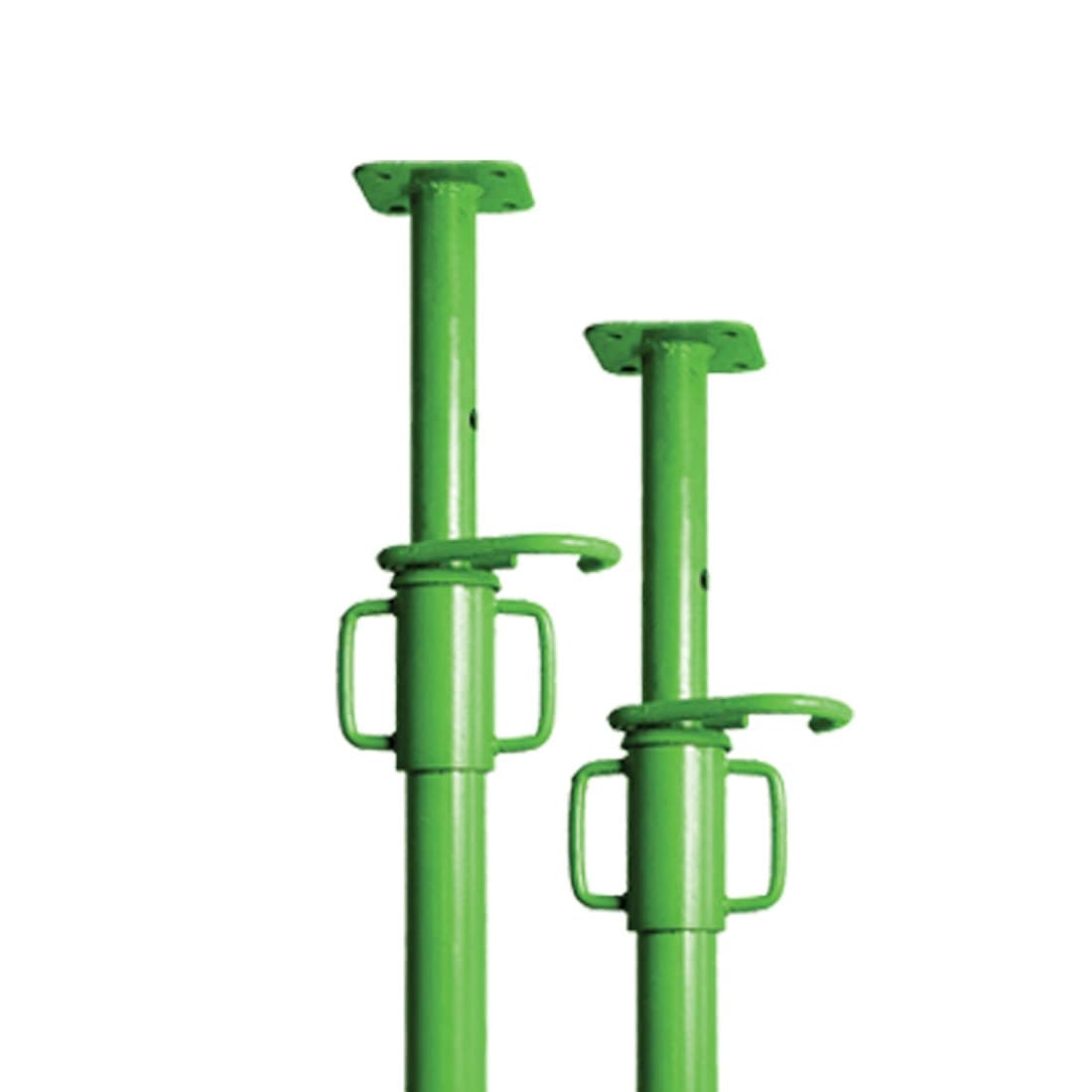
- Pulling props or loading the slab before the engineer says so.
- Using curing compound where flooring or paint will be bonded later, without checking compatibility.
Takeaway
Cure as soon as you finish, keep it moist for at least 7 days (general practice with normal portland cement; your spec rules) and don't load it or pull props before the engineer says so: design strength is measured at 28 days. Water, burlap, plastic or compound: the best method is the one you can keep up without gaps.
Keep going
Frequently asked
How many days should concrete be kept wet?
As a general practice, at least 7 days with normal portland cement, and longer with slow-gaining cements or cool weather. If your spec gives a different period, follow it.
How often should you wet a slab?
As often as it takes for the surface never to dry out. With sun and wind, more often; with wet burlap or plastic on top, moisture lasts longer.
What happens if I don't cure concrete?
It loses strength, especially at the surface: it dusts, wears and shows fine cracks. You don't notice on day one, but once the slab starts working.
Is curing compound or water better?
Both work if applied on time and evenly. Water needs consistency; compound goes on once and suits large areas, but make sure it won't interfere with flooring or paint going on top.
When can slab shoring props come out?
When the project's structural engineer says so. It doesn't depend on the slab «looking hard»: design strength is measured at 28 days.