Guide · 8 min
Your equipment in the dry season: dust, air filter, heat and how to store it
By the SIMAQ technical team · Grupo ConstruMarket ·
Short answer
In the dry season, check the air filter every time you use the machine and clean it more often than the 50 hours in the Honda manual: jobsite dust clogs it sooner. Keep the starter grille and the engine's cooling fins clean, because Honda GX engines are air-cooled: if they clog, the engine runs hot. Check the oil before starting. And if a machine is going to sit for more than a month, don't store it with old fuel: drain it or use stabilizer with a full tank, change the oil, put a few drops of oil in the cylinder, charge the battery once a month and, once it's cool, cover it with something that isn't plastic.
air-filter cleaning; sooner in dust (Honda)
in which fuel can already go bad (Honda)
battery charge while in storage
What the dry season does to your equipment
From November to April there's more work and more dust. Dust is what hurts a gas engine most: it clogs the filter, the engine loses power and, if it gets into the cylinder, the wear can't be undone. Heat adds to it: the engine is air-cooled, and if the fins and grille are clogged, it runs hot.
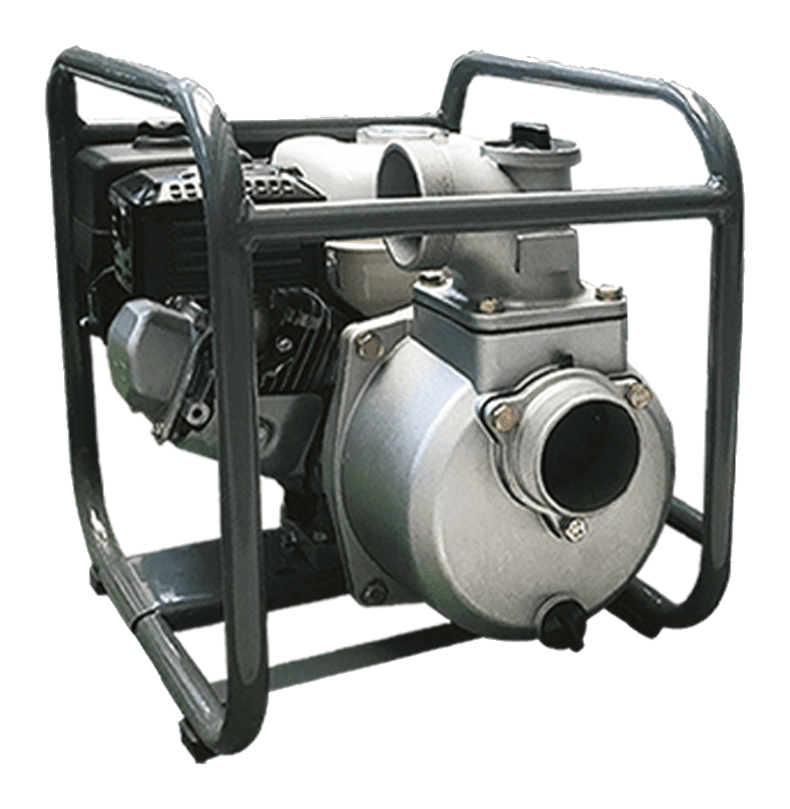
At the same time, the rainy-season gear sits idle: dewatering pumps, light towers, generators. That equipment doesn't get damaged working, it gets damaged in storage: with fuel that goes bad in weeks and moisture that rusts.
Dust: the air filter rules
The Honda manual says to check the air filter every use, clean it every 3 months or 50 hours and replace the paper element every year or 300 hours, and to do it more often in very dusty places. On a dry-season jobsite, that means checking it every day and cleaning it whenever it looks dirty, without waiting for the hours. Never run it without a filter or with a torn one: dirt gets into the engine, wears it fast and that damage isn't covered by the warranty.
- Paper element: tap it several times against something hard or blow compressed air from the inside (207 kPa, 30 psi max). Never brush it: the brush drives dust into the fibres.
- Foam element (GX160 and GX390 dual-element filters): wash it in warm soapy water, let it dry completely, dip it in clean engine oil and squeeze out the excess. With too much oil, the engine smokes on start-up.
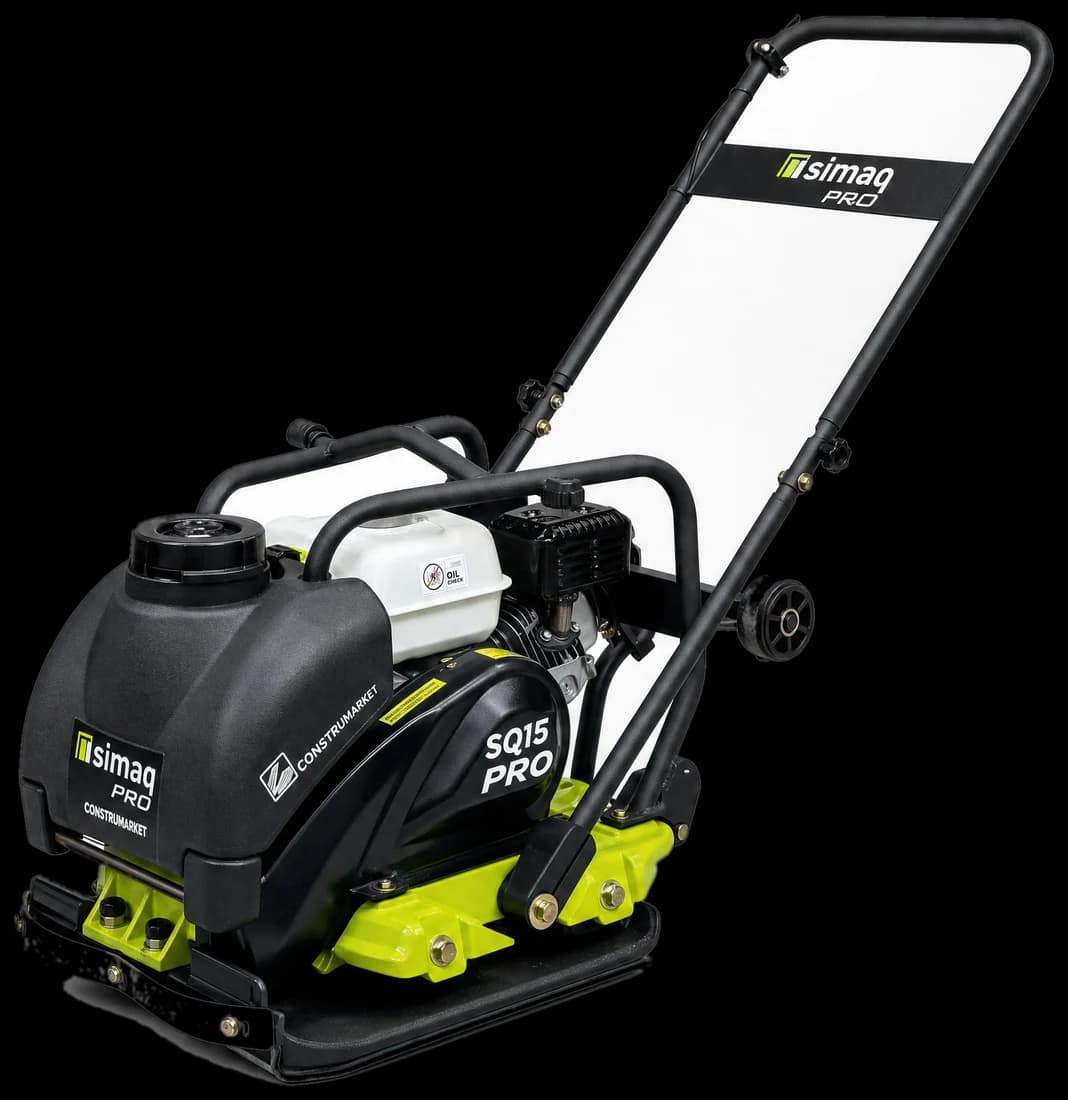
- The SQ60 PRO 2 rammer has a pre-cleaner and a two-stage filter with its own procedure: follow the rammer's manual.
- Before every start, clear dust and dirt from around the muffler and the recoil starter, as the Honda manual says.
- If the engine starts but bogs when you throttle up or loses power, check the filter before the carburettor.
Heat: why the engine runs hot and what to do
The Honda GX engines on SIMAQ machines are forced-air cooled: the fan pulls air in through the starter grille and pushes it over the cylinder fins. If that grille or the fins are clogged with dust, dried mud or mix, the air can't get through and the engine runs hot. The same if it's low on oil or the spark plug is loose: the Honda manual says a loose plug overheats and damages the engine.
- Clean the starter grille and fins with the engine cold, with a brush or air; not with a pressure washer, which forces water into the filter and muffler.
- Check the oil before starting, on level ground. Several machines have an oil alert: if the engine stops by itself and won't restart, check the level.
- SAE 10W-30 for general use, per the Honda manual; the manual's chart says which other grades work for your area's temperature.
- Keep the engine at least 1 metre from walls and other equipment, and never run it indoors.
- Don't fill the tank with the engine hot or running: wait for it to cool.
- SQ28 PRO vibrator: after half an hour of continuous work, give it a rest so heat doesn't damage it (manual).
- Electric tools: if they run too hot, spark or smell odd, stop them and check before carrying on.
If it's going to sit: the fuel
The Honda manual warns that fuel oxidises and can go bad in as little as 30 days, and that heat speeds it up. Old fuel leaves gum that clogs the carburettor: it's the number-one reason machines «won't start» after a few weeks in storage. You have two options:
- Drain: empty the tank and the carburettor (through its drain screw) into an approved container, outdoors and with the engine cold.
- Stabiliser: fill the tank with fresh fuel (the air in a half-full tank spoils it faster), add stabiliser as its label says and run the engine outdoors for 10 minutes so it reaches the carburettor.
- Either way, close the fuel valve.
Oil, cylinder and battery
Change the oil before storing it, as the Honda manual says. Then protect the cylinder from moisture, as the SIMAQ plate and rammer manuals also say.
- Remove the spark plug and pour a teaspoon (5 to 10 cc) of clean engine oil into the cylinder.
- Pull the starter cord several times to spread the oil and refit the plug.
- Pull the cord slowly until you feel resistance and let it back gently: that closes the valves so moisture can't get in.
- If the machine has electric start, charge the battery once a month while it's stored (Honda manual).
Where and how to store it
- Wait at least half an hour for it to cool and clean the outside. Touch up damaged paint and wipe an oily rag over anything that can rust.
- Under a roof, ventilated and away from flames, heaters, sparking electric motors or where power tools are used.
- Away from damp, which speeds up rust.
- Level: tilted, oil or fuel leaks out.
- Cover it once it's cold. The Honda manual says not to use plastic sheeting: it traps moisture and rusts the engine.
- Pumps: as their manual says after every use, remove the drain plug, empty the chamber, flush it with clean fresh water through the filler cap and let it drain. Vibrators: clean and dry, with the hose free of kinks.
When you put it back to work
Do the pre-start check: leaks, bolts, oil, air filter. If you drained the fuel, fill up with fresh fuel. If you oiled the cylinder, a little smoke at first is normal. And if it won't start, follow the step-by-step check before taking anything apart.
Common mistakes
- Waiting for 50 hours to clean the filter in the middle of the dusty season.
- Brushing the paper filter or running the engine without a filter «just for today».
- Pressure-washing the engine: water gets into the filter, the muffler and the cylinder.
- Storing the pump or light tower with the fuel from the last emergency.
- Covering it with plastic and storing it somewhere damp.
Takeaway
In the dry season: air filter checked daily and cleaned more often than every 50 hours, grille and fins free of dust, oil checked before starting and a rest for anything that runs hot. If it sits for more than a month: fuel drained or stabilised, fresh oil, a few drops in the cylinder, battery charged once a month and a cover that isn't plastic. Ask for a quote on parts, filters or service here and an advisor in your country will help.
Keep going
Take it to the job site
Print the checklist to go over it on site, or send the guide to your crew.
Frequently asked
How often should the air filter be cleaned in heavy dust?
The Honda manual says to clean it every 3 months or 50 hours, and more often in very dusty places. On a dry-season jobsite, check it daily and clean it when it looks dirty.
Why does my machine's engine run hot?
Honda GX engines are air-cooled: if the starter grille or fins are clogged with dust or mix, they run hot. Also from low oil or a loose spark plug. Clean them cold and check the oil before starting.
How long does fuel last in a stored machine's tank?
According to the Honda manual, it can start going bad in as little as 30 days, faster in heat. If the machine will sit longer, drain the tank and carburettor or use stabiliser with a full tank.
How do I store a water pump I won't use for months?
Run clean water through it, drain the fuel or use stabiliser, change the oil, put a few drops of oil in the cylinder, and store it level, under a roof, away from damp and with a cover that isn't plastic.
Do I need to charge the battery while the machine is stored?
The Honda manual says to charge the battery once a month while the engine is stored, on machines with electric start.
SIMAQ · Job site checklist
Your equipment in the dry season: dust, air filter, heat and how to store it
In the dry season, check the air filter every time you use the machine and clean it more often than the 50 hours in the Honda manual: jobsite dust clogs it sooner. Keep the starter grille and the engine's cooling fins clean, because Honda GX engines are air-cooled: if they clog, the engine runs hot. Check the oil before starting. And if a machine is going to sit for more than a month, don't store it with old fuel: drain it or use stabilizer with a full tank, change the oil, put a few drops of oil in the cylinder, charge the battery once a month and, once it's cool, cover it with something that isn't plastic.
Dust: the air filter rules
- Paper element: tap it several times against something hard or blow compressed air from the inside (207 kPa, 30 psi max). Never brush it: the brush drives dust into the fibres.
- Foam element (GX160 and GX390 dual-element filters): wash it in warm soapy water, let it dry completely, dip it in clean engine oil and squeeze out the excess. With too much oil, the engine smokes on start-up.
- The SQ60 PRO 2 rammer has a pre-cleaner and a two-stage filter with its own procedure: follow the rammer's manual.
- Before every start, clear dust and dirt from around the muffler and the recoil starter, as the Honda manual says.
- If the engine starts but bogs when you throttle up or loses power, check the filter before the carburettor.
Heat: why the engine runs hot and what to do
- Clean the starter grille and fins with the engine cold, with a brush or air; not with a pressure washer, which forces water into the filter and muffler.
- Check the oil before starting, on level ground. Several machines have an oil alert: if the engine stops by itself and won't restart, check the level.
- SAE 10W-30 for general use, per the Honda manual; the manual's chart says which other grades work for your area's temperature.
- Keep the engine at least 1 metre from walls and other equipment, and never run it indoors.
- Don't fill the tank with the engine hot or running: wait for it to cool.
- SQ28 PRO vibrator: after half an hour of continuous work, give it a rest so heat doesn't damage it (manual).
- Electric tools: if they run too hot, spark or smell odd, stop them and check before carrying on.
If it's going to sit: the fuel
- Drain: empty the tank and the carburettor (through its drain screw) into an approved container, outdoors and with the engine cold.
- Stabiliser: fill the tank with fresh fuel (the air in a half-full tank spoils it faster), add stabiliser as its label says and run the engine outdoors for 10 minutes so it reaches the carburettor.
- Either way, close the fuel valve.
Oil, cylinder and battery
- Remove the spark plug and pour a teaspoon (5 to 10 cc) of clean engine oil into the cylinder.
- Pull the starter cord several times to spread the oil and refit the plug.
- Pull the cord slowly until you feel resistance and let it back gently: that closes the valves so moisture can't get in.
- If the machine has electric start, charge the battery once a month while it's stored (Honda manual).
Where and how to store it
- Wait at least half an hour for it to cool and clean the outside. Touch up damaged paint and wipe an oily rag over anything that can rust.
- Under a roof, ventilated and away from flames, heaters, sparking electric motors or where power tools are used.
- Away from damp, which speeds up rust.
- Level: tilted, oil or fuel leaks out.
- Cover it once it's cold. The Honda manual says not to use plastic sheeting: it traps moisture and rusts the engine.
- Pumps: as their manual says after every use, remove the drain plug, empty the chamber, flush it with clean fresh water through the filler cap and let it drain. Vibrators: clean and dry, with the hose free of kinks.
Avoid
- Waiting for 50 hours to clean the filter in the middle of the dusty season.
- Brushing the paper filter or running the engine without a filter «just for today».
- Pressure-washing the engine: water gets into the filter, the muffler and the cylinder.
- Storing the pump or light tower with the fuel from the last emergency.
- Covering it with plastic and storing it somewhere damp.
Job site:
Date:
Supervisor:
Scan it for the full guide, with video and FAQ
https://simaq.pro/en/recursos/equipo-en-verano-polvo-calor-y-como-guardarlo