Guide · 6 min
Rent or buy light equipment? How to work out which one pays
By the SIMAQ technical team · Grupo ConstruMarket ·
Short answer
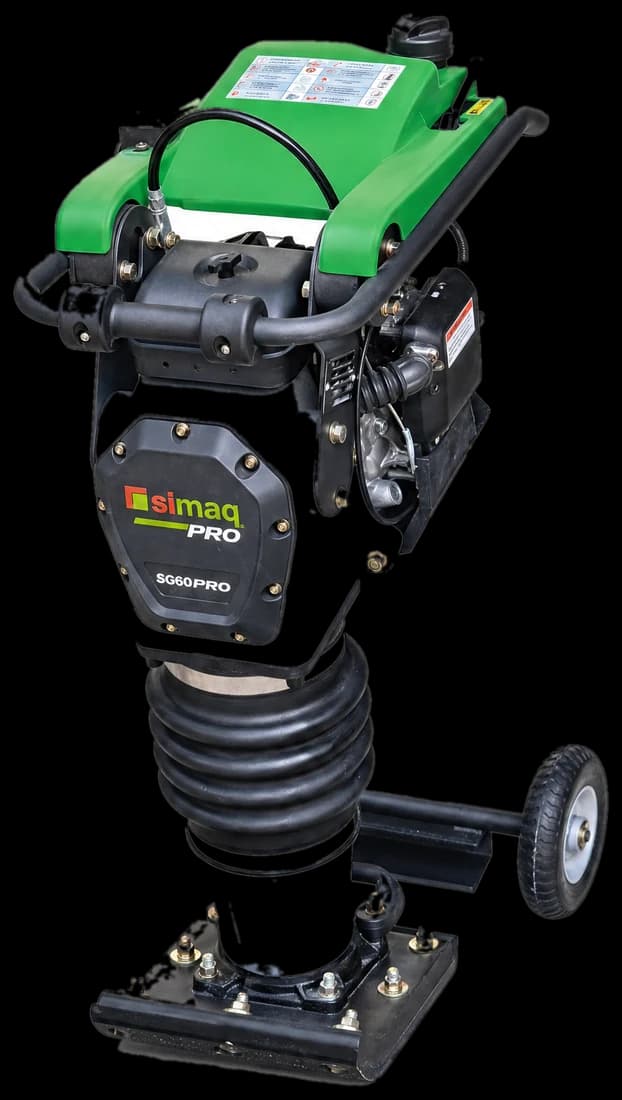
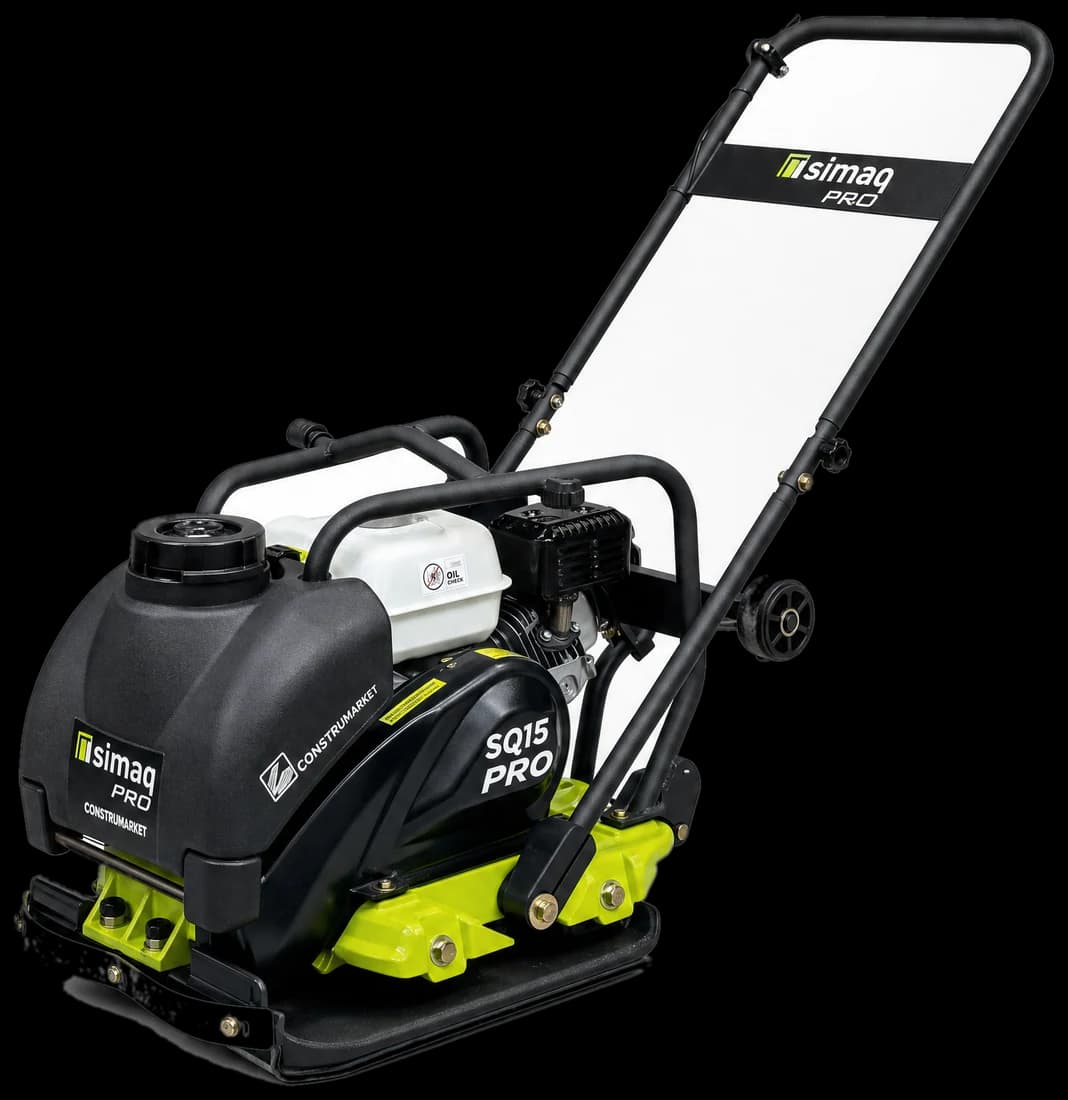
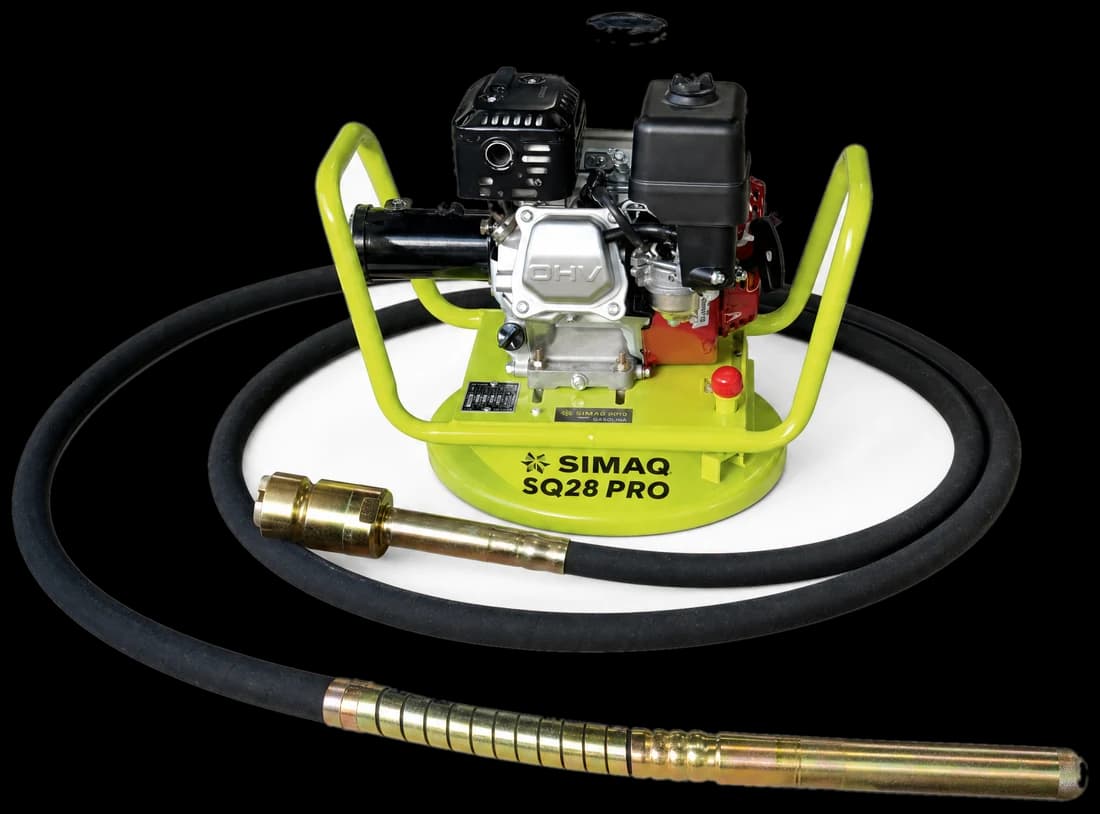
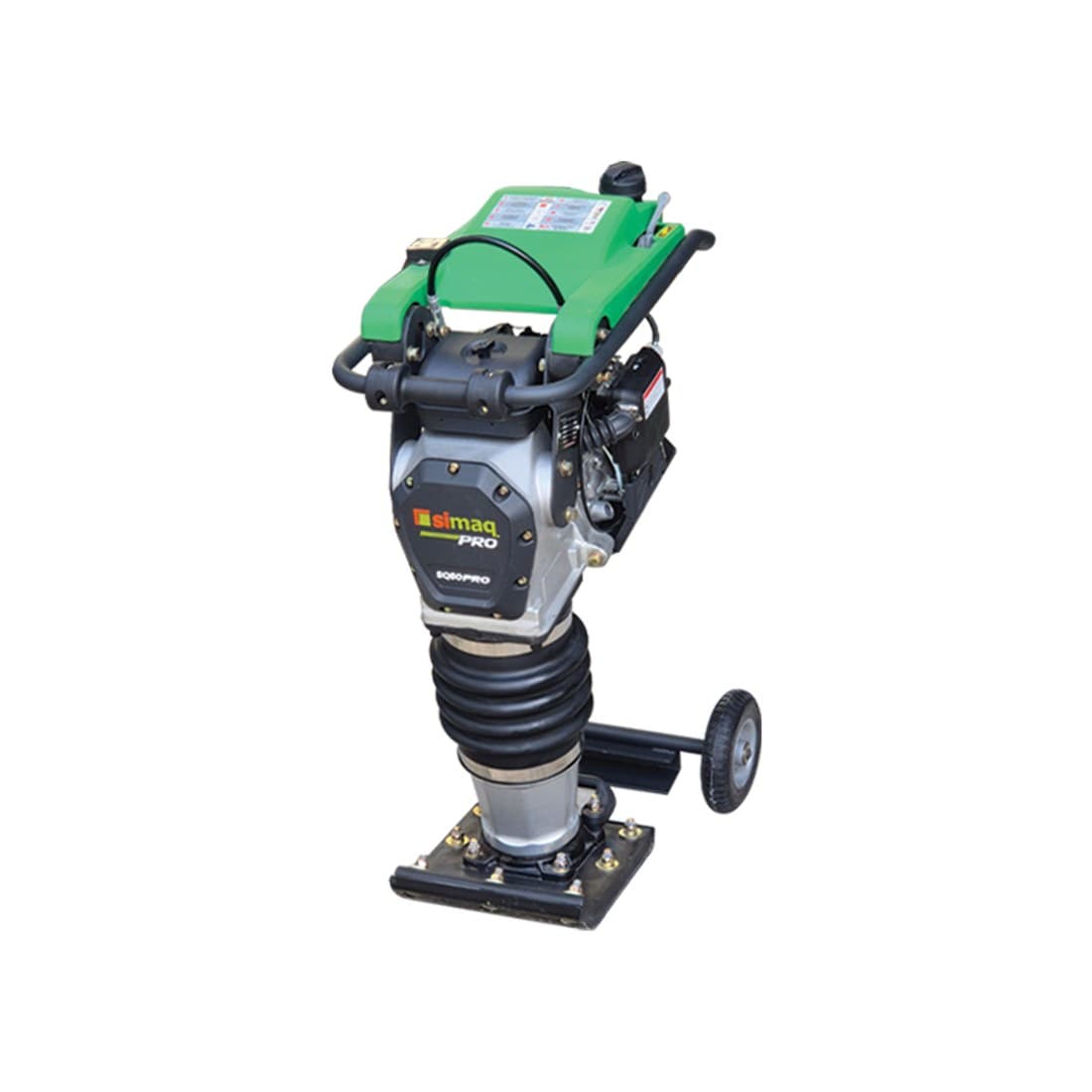
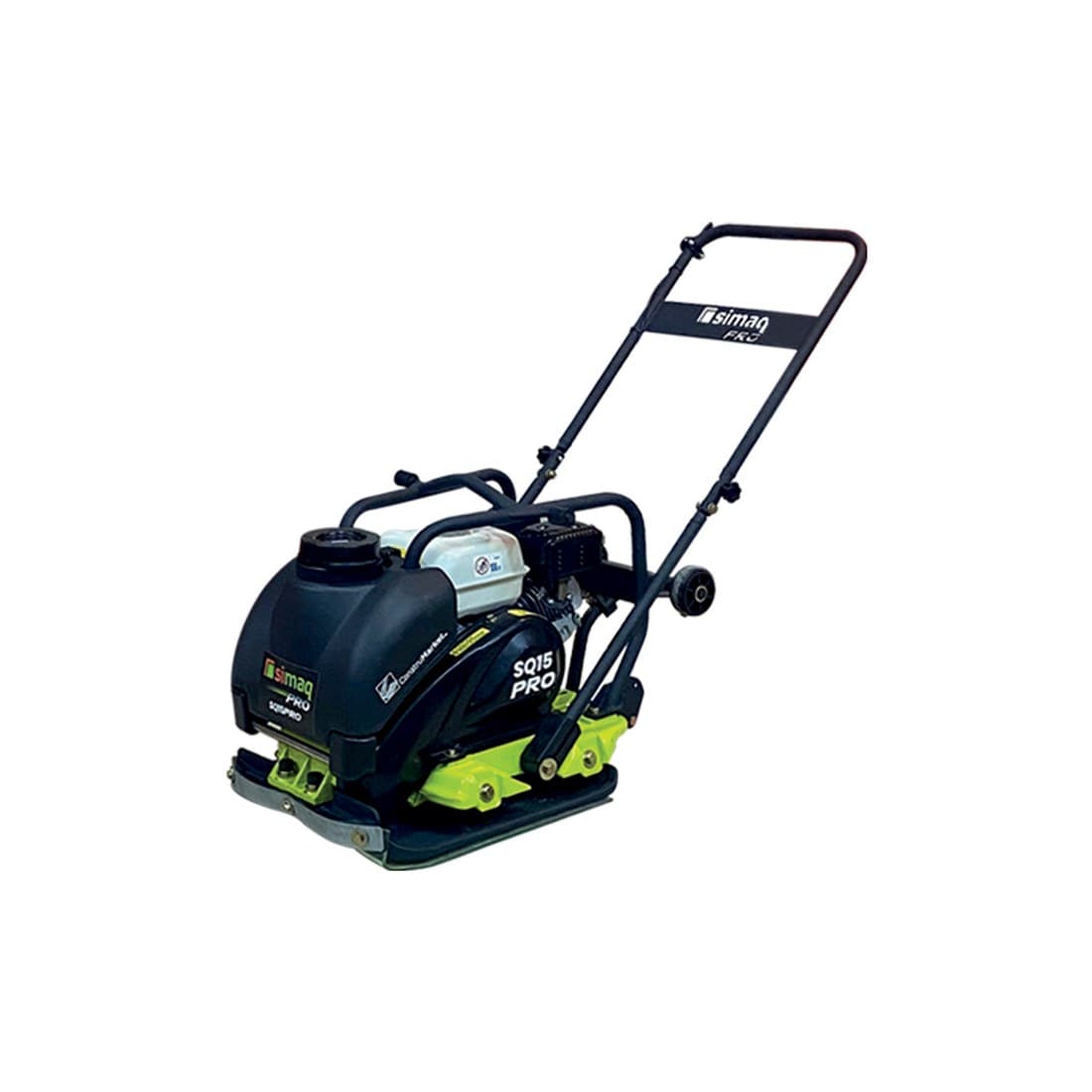
Buy when you'll use the machine more days than it takes to pay it off with what you save on rental; rent when it's a one-off job or a few days a year. The maths: purchase price ÷ (daily rental − daily ownership cost) = break-even days. For crew equipment that works almost daily, like the SQ15 PRO plate, the SQ60 PRO 2 rammer or a vibrator, that point usually comes early; run your numbers in the SIMAQ School calculator.
Work it out with your numbersnumbers that decide
of real use, not of project
total cost, not just price
The break-even calculation
You need three numbers: what the machine costs to buy, what it costs to rent per day and what owning it costs you per day of use (maintenance, parts, storage, spread out). With that: break-even days = purchase price ÷ (daily rental − daily ownership cost).
Example with round numbers, not real prices: if buying costs 100, rental is 2 per day and owning it costs 0.4 per day of use, break-even is 100 ÷ (2 − 0.4) ≈ 63 days of use. If you'll use it more than 63 days over the time you plan to keep it, buying wins; if not, rent.
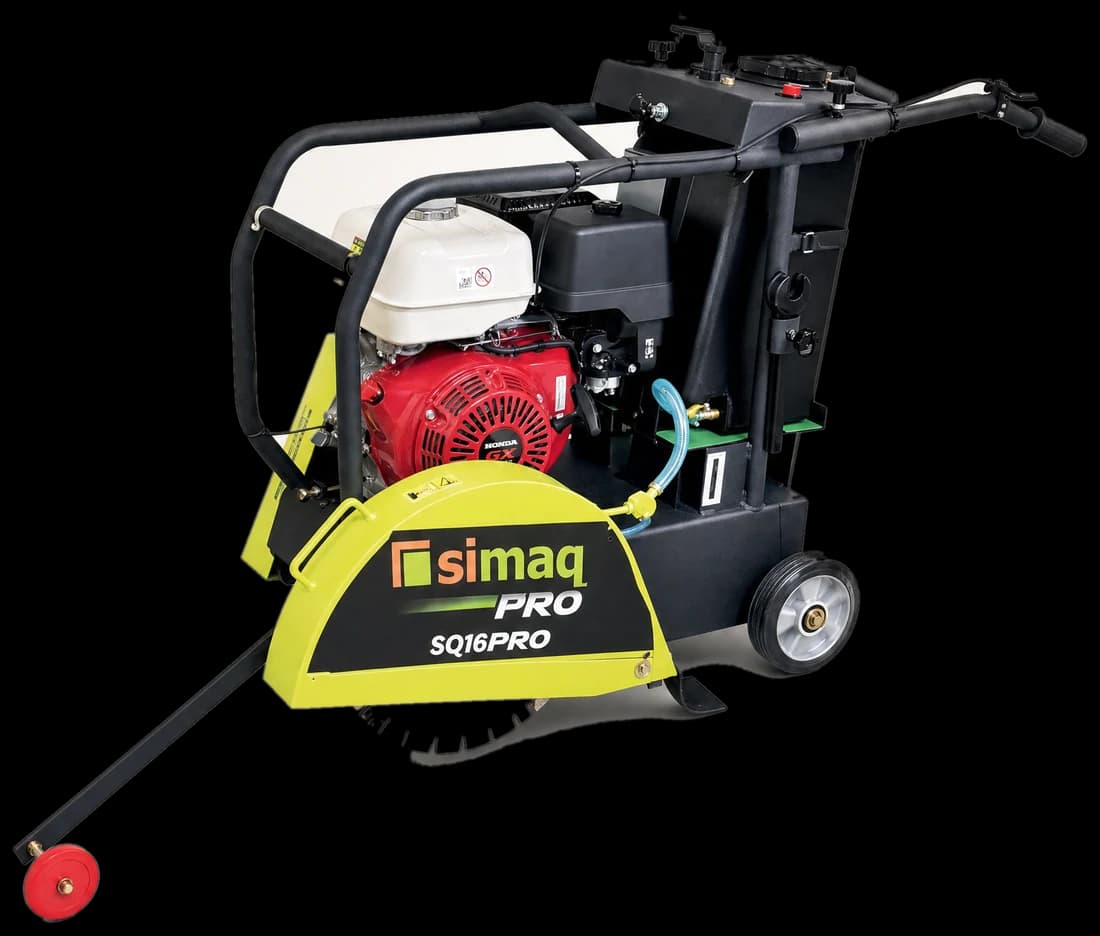
Count days of actual use, not project days. A saw can sit on a project for three months and work only ten days.
If this is your case, rent or buy
| If your case is… | Go with | Why |
|---|---|---|
| A one-off job, with nothing similar in sight | Rent | You don't tie up capital in something that sits idle |
| Crew gear you use almost every week (plate, rammer, vibrator, signaling) | Buy | You pass break-even quickly and have it when you need it |
| A big machine you need a few weeks a year | Rent | The cost of keeping it idle outweighs the rental |
| Back-to-back contracts of the same type of work | Buy | Use repeats and the machine works for you, not the rental company |
| No place to store it and no one to maintain it | Rent, or solve that before buying | A badly stored machine loses life and value |
What owning costs (and what it gives you)
Ownership has costs that rental saves you: oil, filters, wear parts, storage, someone's time to look after the machine and insurance if it applies. Add them into the daily ownership cost; otherwise the maths gives you a false break-even.
In return, buying gives you availability with no waiting or booking, a machine your crew already knows and an asset with resale value. That availability has value: a day of stopped work waiting for a rented machine costs money too, and almost nobody counts it.
If you buy, lower the cost of ownership
The cost of owning a machine depends heavily on how easy it is to maintain. SIMAQ machines run world-brand engines (Honda, Kubota, Yanmar, Loncin) that any shop knows, and parts and service kits are available at ConstruMarket branches in El Salvador, Guatemala (CMARKET), Nicaragua and Panama.
Register the machine the day it arrives to activate the warranty: 6 months on light equipment and 6 months or 500 hours, whichever comes first, on rollers, mixers and light towers. And keep an hour log: it's the basis of maintenance and tells you, with data, whether the purchase is paying off.
Do it with your numbers
Should you rent or buy?
Recommendation
Buying wins
Break-even: ~67 rental days equal the purchase price (≈ 1.1 years at your usage).
Estimate assumes ~30% resale and ~5%/yr maintenance of price. Reference values to guide the decision, not a quote.
Common mistakes
- Comparing rental against the purchase price without adding maintenance and storage.
- Counting project days instead of days the machine actually works.
- Buying for a one-off job with nothing similar in sight.
- Renting month after month a machine you use all year.
- Leaving resale value out of the maths.
- Buying with no maintenance plan or place to store the machine.
Takeaway
Occasional use → rent. Recurring use → buy. Do the maths with real days of use and the total cost of ownership, not just the price. If you decide to buy, request a quote here and an advisor will contact you during business hours.
Keep going
Take it to the job site
Print the checklist to go over it on site, or send the guide to your crew.
Frequently asked
How do I work out whether buying a machine pays?
Purchase price ÷ (daily rental − daily ownership cost) = break-even days. If you'll use it more days than that, buying wins.
Is it worth buying equipment for a single job?
Rarely, unless that job passes break-even on its own or you have similar work lined up. Otherwise, rent.
What does owning a machine cost?
Maintenance, wear parts, storage, the time of whoever looks after it and insurance if it applies. In return, it's always available and has resale value.
Which equipment is worth buying first?
Whatever your crew uses almost every week: compaction, vibration or signaling, depending on your work. What you use once a year, rent.
SIMAQ · Job site checklist
Rent or buy light equipment? How to work out which one pays
Buy when you'll use the machine more days than it takes to pay it off with what you save on rental; rent when it's a one-off job or a few days a year. The maths: purchase price ÷ (daily rental − daily ownership cost) = break-even days. For crew equipment that works almost daily, like the SQ15 PRO plate, the SQ60 PRO 2 rammer or a vibrator, that point usually comes early; run your numbers in the SIMAQ School calculator.
Avoid
- Comparing rental against the purchase price without adding maintenance and storage.
- Counting project days instead of days the machine actually works.
- Buying for a one-off job with nothing similar in sight.
- Renting month after month a machine you use all year.
- Leaving resale value out of the maths.
- Buying with no maintenance plan or place to store the machine.
Job site:
Date:
Supervisor:
Scan it for the full guide, with video and FAQ
https://simaq.pro/en/recursos/rentar-o-comprar-maquinaria