Guide · 5 min
Which pallet jack do I need: 2, 2.5 or 3 tonnes?
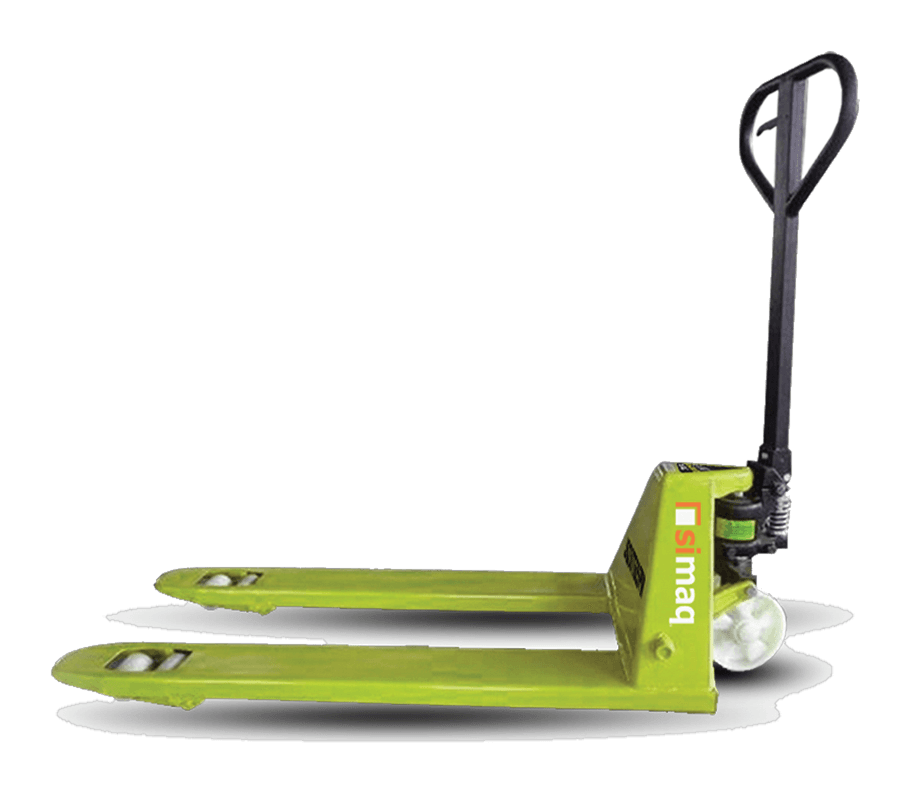
Also called: pallet jack, pallet truck, hand pallet truck
By the SIMAQ technical team · Grupo ConstruMarket ·
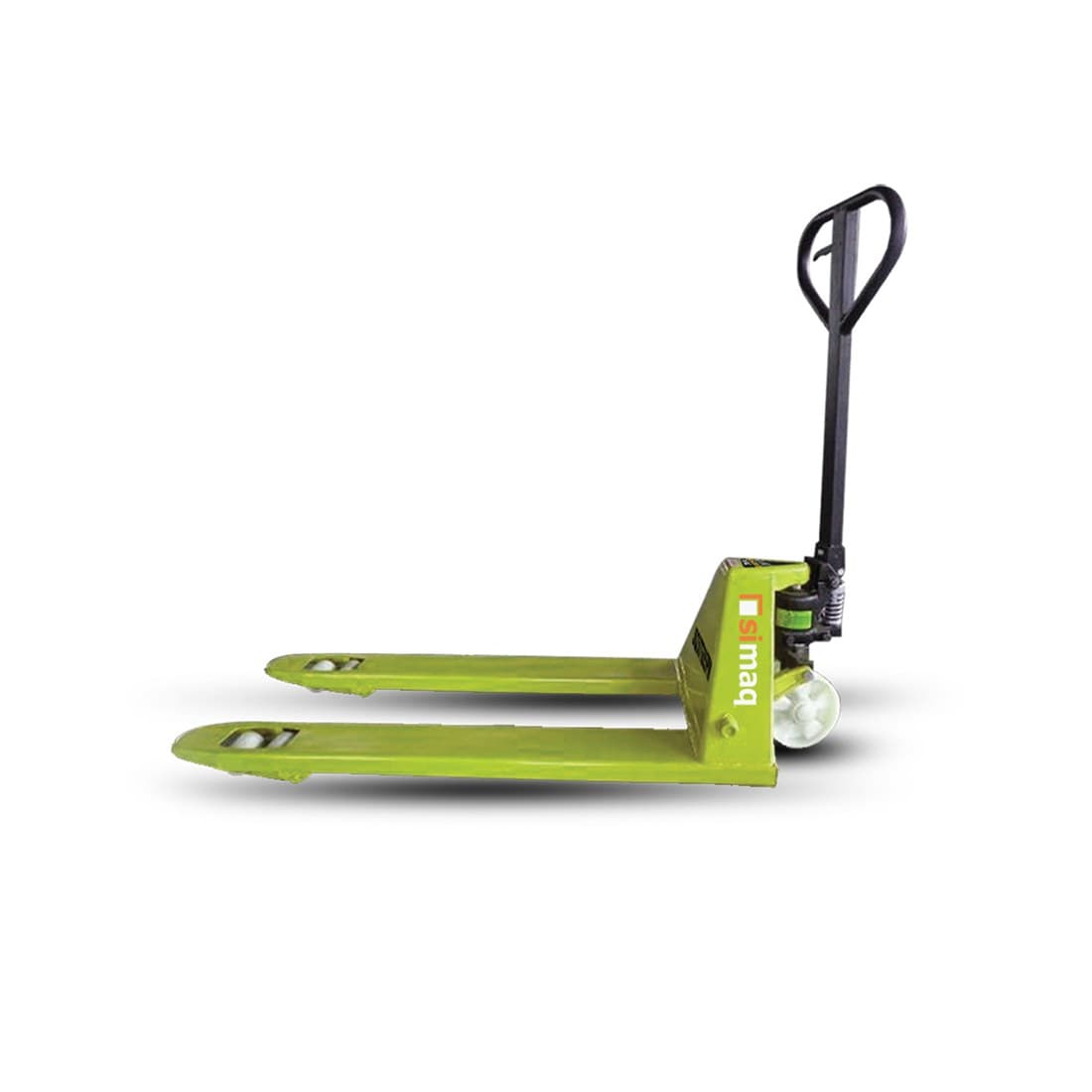
Short answer
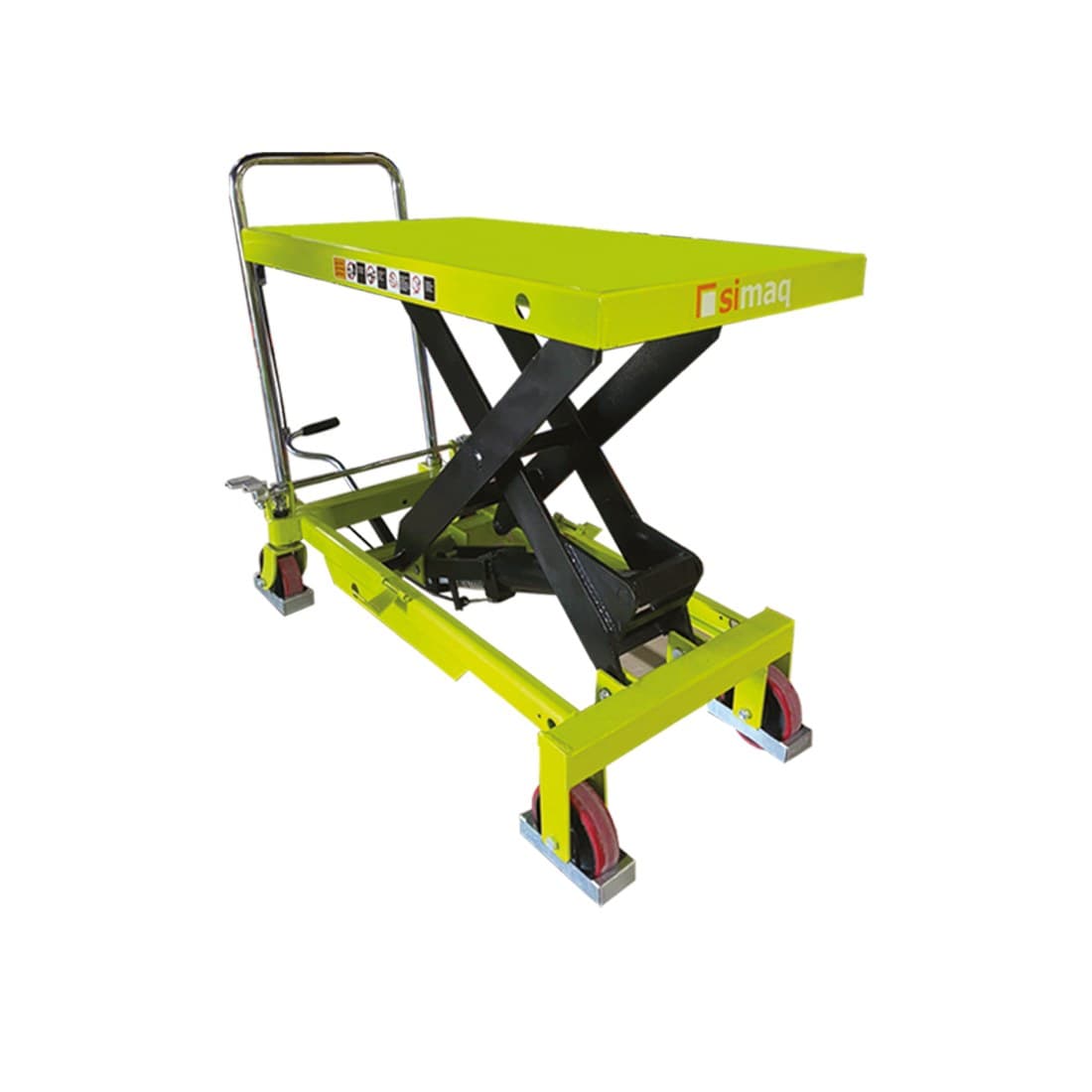
Choose by the heaviest load you'll move, not the average. If your heaviest pallets stay under 2 tonnes, the 2.0 t jack; for mixed loads and daily use, the 2.5 t; for heavy material, the 3.0 t. Also check the lowered forks fit into your pallet openings, and if you need to raise the load to working height, look at the GSF1 PRO scissor pallet truck or the PTD1000 PRO lift table.
capacities
fork height (2.0 and 3.0 t)
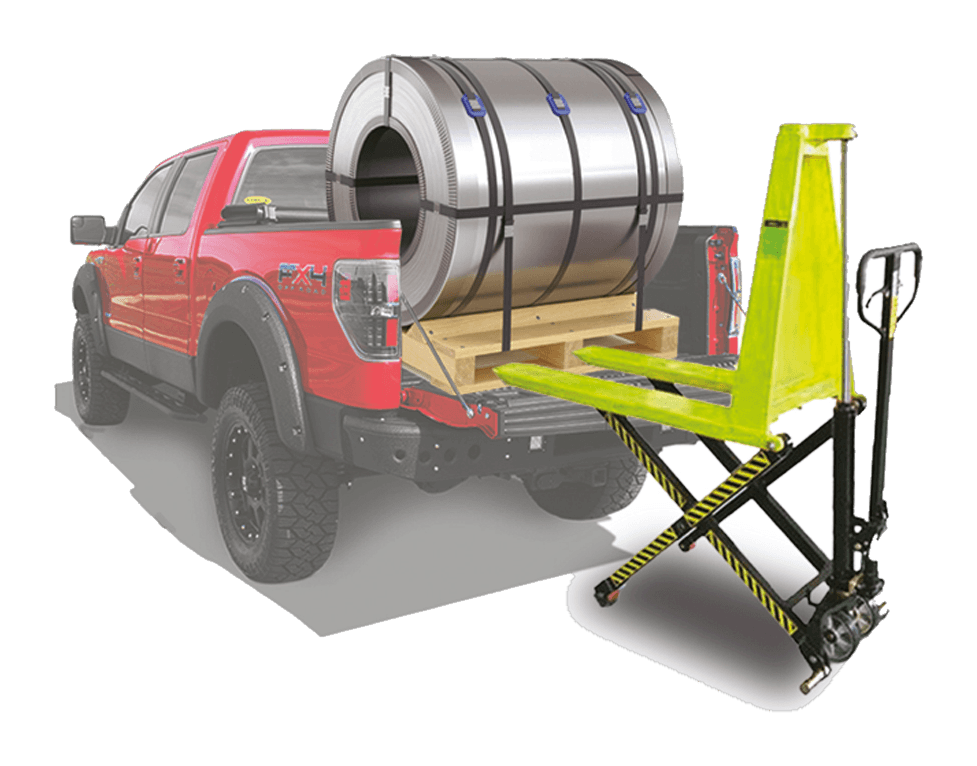
GSF1 PRO scissor truck
What it is and what it does
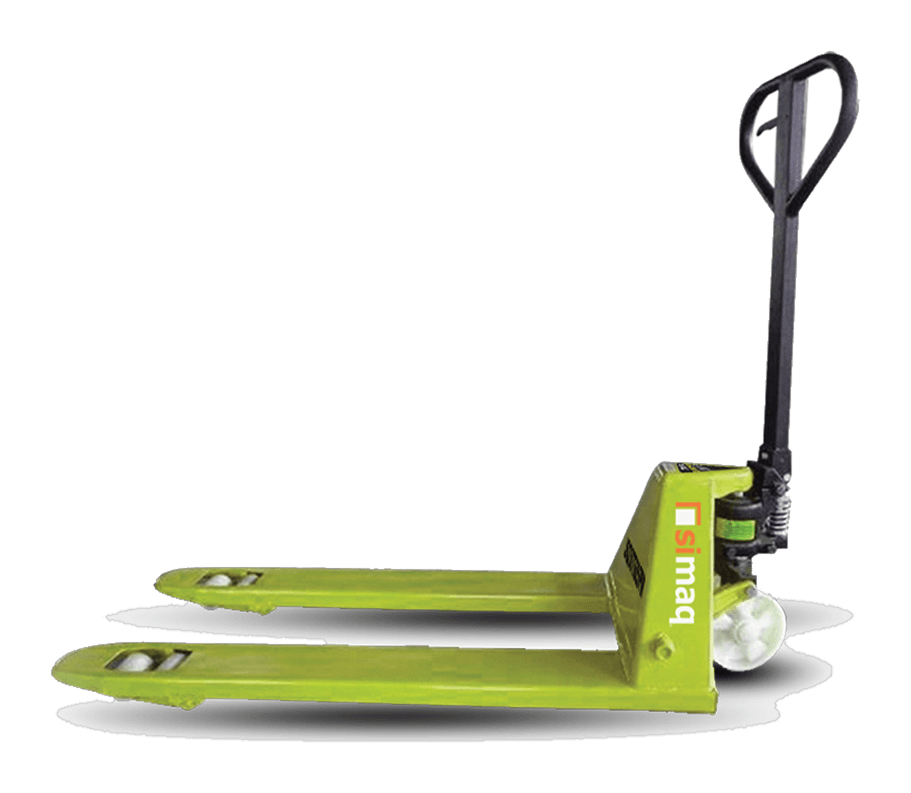
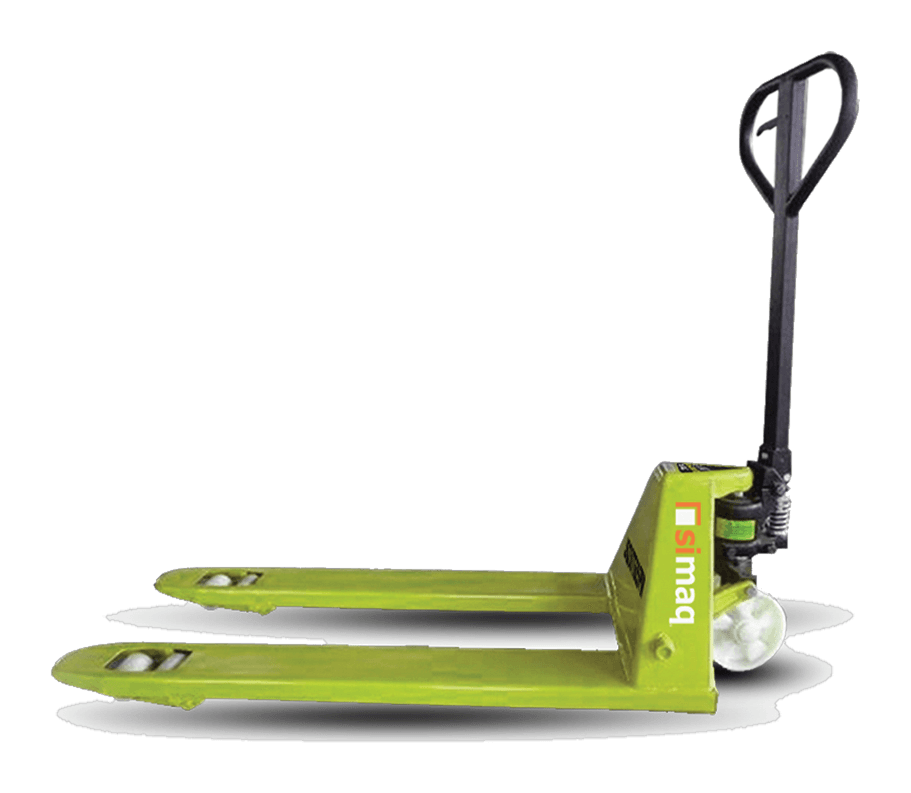
The pallet jack slides its forks under the pallet, lifts it just enough with a pump handle and lets you move it at floor level. It doesn't lift to shelf height: that's what a stacker is for.
It's the simplest load-handling tool in a warehouse: no engine or battery, and one person moves pallets that would be impossible to shift by hand.
Capacity: if your load is like this, pick this
The rule: rated capacity is a limit, not a target. If your heaviest load sits right at a model's limit, go up to the next one.
Also think about how much you'll use it: in a warehouse moving loads all day, a model with headroom works more comfortably than one living at its limit.
| Your heaviest load | Pallet jack | Fork height |
|---|---|---|
| Up to 2,000 kg | 2.0 t (SQ20T550PM) | 75–190 mm |
| Up to 2,500 kg, mixed loads, daily use | 2.5 t (SQ25T685PM) | 85–200 mm |
| Up to 3,000 kg, heavy material | 3.0 t (SQ30T685PM) | 75–190 mm |
Make sure the forks fit your pallet
Before buying, measure your pallet openings: the forks, fully lowered, have to slide in without scraping. The 2.0 t and 3.0 t models lower to 75 mm; the 2.5 t to 85 mm. If your pallets are low, that centimetre matters.
Also check that the pallet rests well on both forks and the load is properly stacked: an unstable load falls even if the jack can take the weight.
What if you need to raise the load?
- To working height, so you don't bend: GSF1 PRO scissor pallet truck (1,000 kg).
- To load or work on a mobile table: PTD1000 PRO lift table (1,000 kg).
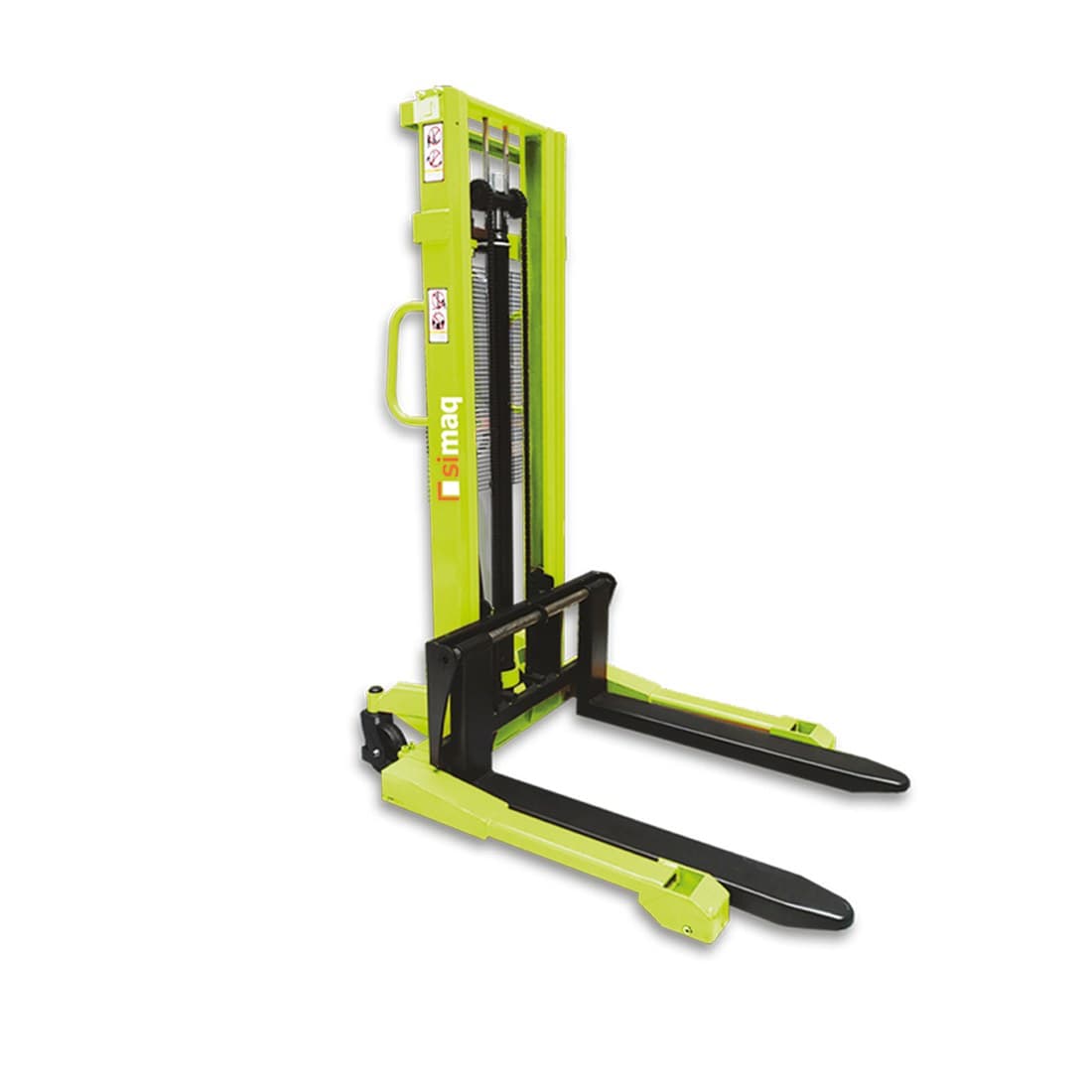
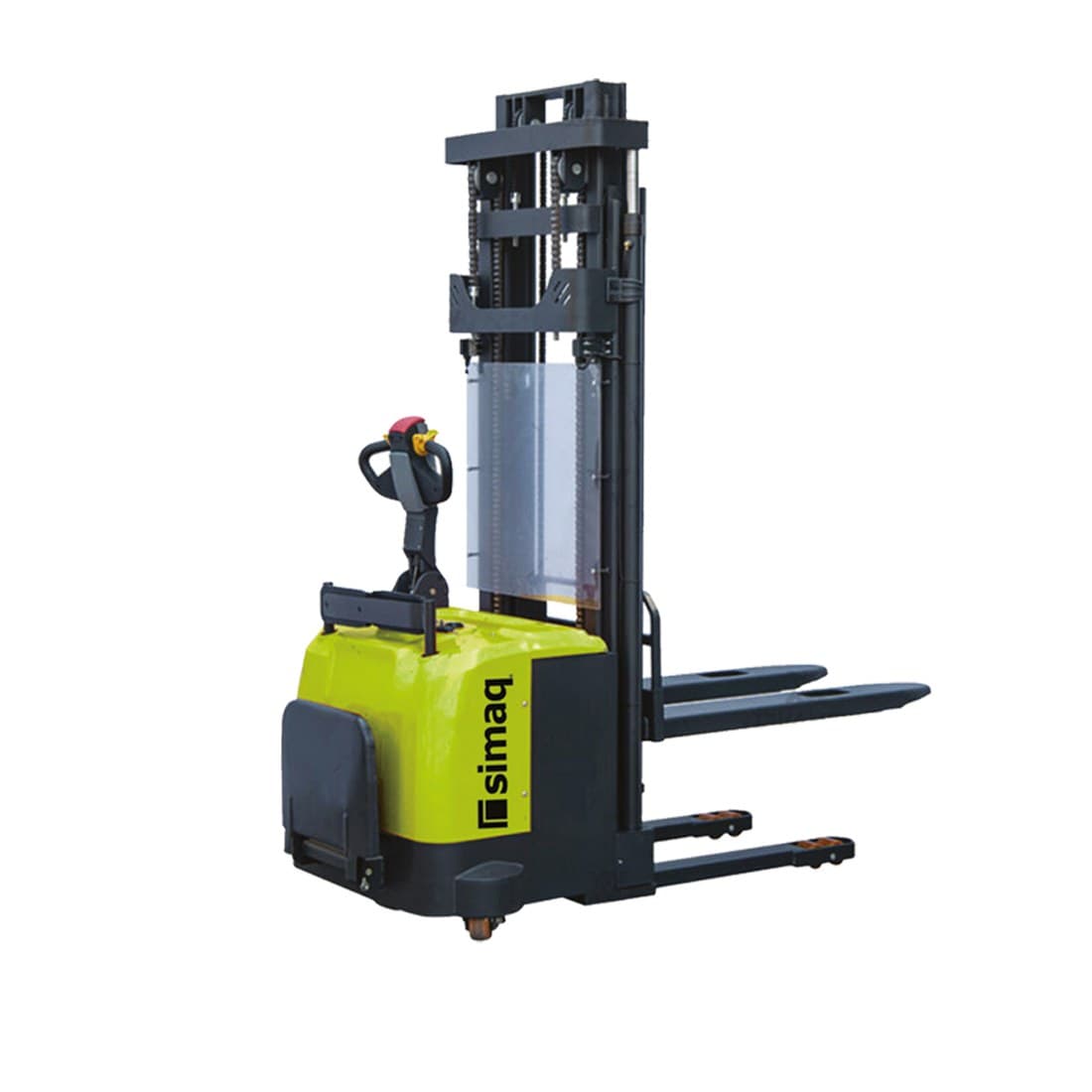
- To stack on racking: manual or electric stacker.
How to use it without getting hurt
Keep aisles clear and level, and wear steel-toe boots: feet are the first thing to get hurt when a load comes down.
- Slide the forks all the way in and centred, sharing the weight between them.
- Pump only enough for the pallet to clear the floor.
- Push, don't pull: you have more control and protect your back.
- Don't use it loaded on steep ramps or on dirt or gravel floors.
- Lower the load with the release lever and pull the forks out straight.
Before you ask for a quote, have this ready
With this, an advisor in your country can recommend the right machine in a single conversation:
- Weight of your heaviest load.
- Your pallet dimensions and opening height.
- The floor surface you'll move the load over.
- How many moves you make per day.
- Whether you also need to raise or stack the load.
Common mistakes
- Choosing by the average load instead of the heaviest.
- Buying without measuring the pallet openings.
- Using a pallet jack on dirt or gravel: that's what a dumper is for.
- Pulling the load backwards down long aisles.
- Leaving the forks raised in a walkway.
Takeaway
Capacity by your heaviest load (2.0, 2.5 or 3.0 t), forks that fit your pallets and a firm floor. If the load has to go up, a scissor pallet truck, lift table or stacker. Get a quote here and an advisor will confirm the model and availability.
Keep going
Frequently asked
Are a pallet jack and a pallet truck the same?
Yes. Pallet jack, pallet truck and hand pallet truck are names for the same tool.
Can I go slightly over capacity?
No. Rated capacity is the limit; if your load reaches it, choose the next model up.
How low do the forks go?
The 2.0 t and 3.0 t work from 75 to 190 mm; the 2.5 t from 85 to 200 mm. Measure your pallet openings before choosing.
Can I use the pallet jack on a ramp?
Loaded, not on steep ramps: you lose control. Use it on level, firm floors.
Pallet jack or stacker?
Pallet jack to move at floor level; stacker to put loads on racking. If you only need to raise the load to working height, the GSF1 PRO scissor truck.
Does a pallet jack work on a construction site?
Only on firm, level floors, like a finished slab or a warehouse. On dirt, gravel or mud the wheels sink: that's dumper territory.