Guide · 6 min
Flood equipment for municipalities: what a city needs for flood response
Also called: flood equipment, flood response equipment, emergency flood tools
By the SIMAQ technical team · Grupo ConstruMarket ·
Short answer
Flood equipment for a municipality covers four jobs: lighting at night (light towers), getting water out (3″ and 4″ pumps), clearing a way through (a saw and a hydraulic breaker for the backhoe or excavator the city already owns) and reopening access (dumper, roller, plate, rammer and signage). Build it per crew, not as one-off purchases: each crew with its own light, dewatering and signage, all tested before the rainy season and with someone who knows how to run it. SIMAQ covers all four lines, with ConstruMarket branches in El Salvador, Guatemala, Nicaragua and Panama.
jobs: light, dewatering, cutting, access
4″ pump maximum
SQTLK 6000 mast
The 4 flood jobs and the gear for each
In a flood, a municipality always does the same things, in this order: lights up the area to work at night, pumps water out of streets, underpasses and public buildings, clears a way through debris and reopens access. If one of the four lines is missing, the other three stall.
| Job | SIMAQ equipment | Key figure |
|---|---|---|
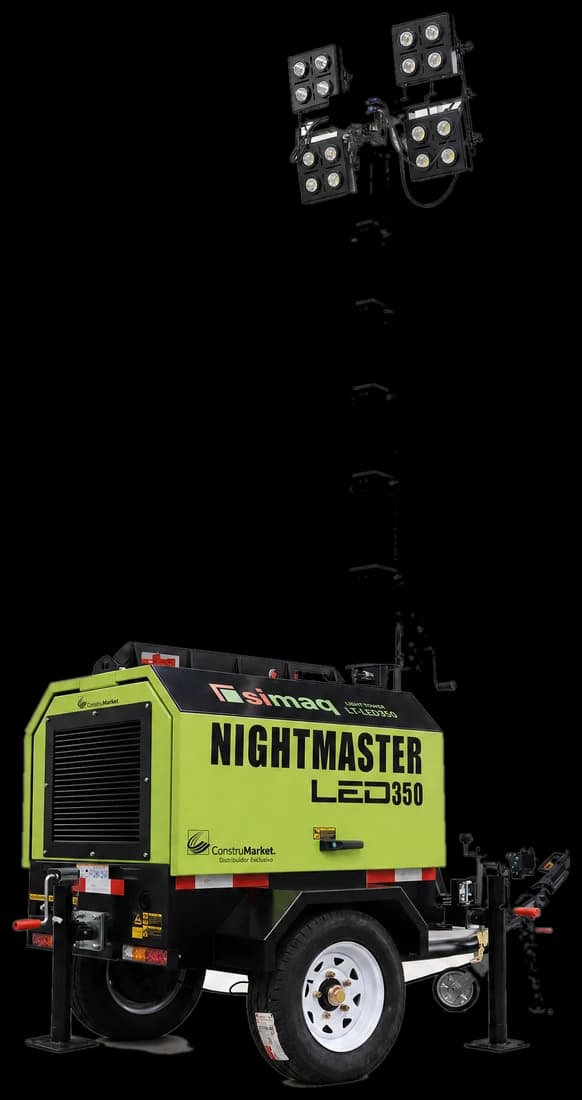
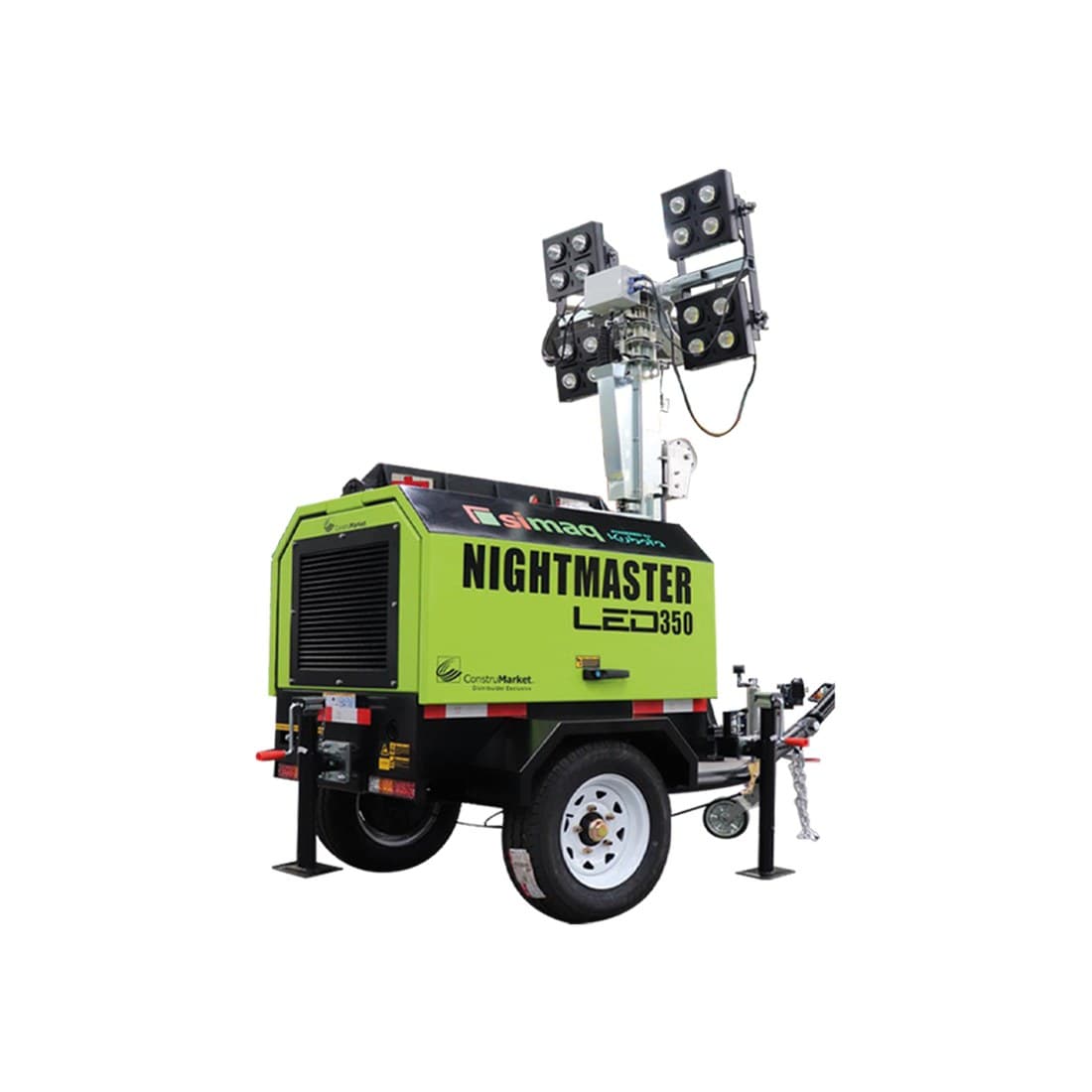
| Light | NIGHTMASTER LED 350 · SQTLK 6000 | 7 m mast (4 × 350 W LED) · 9 m mast; Kubota D1105 engine |
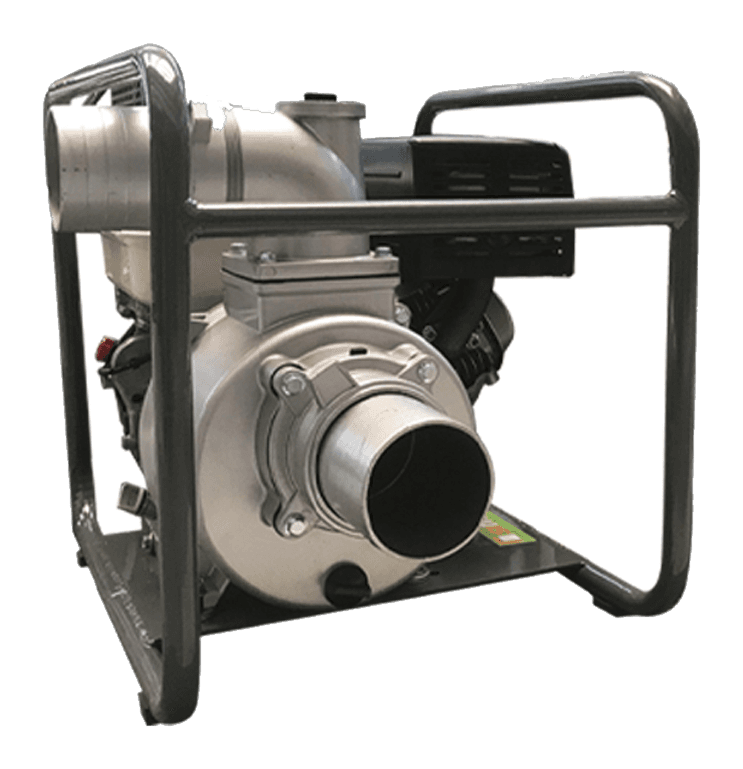
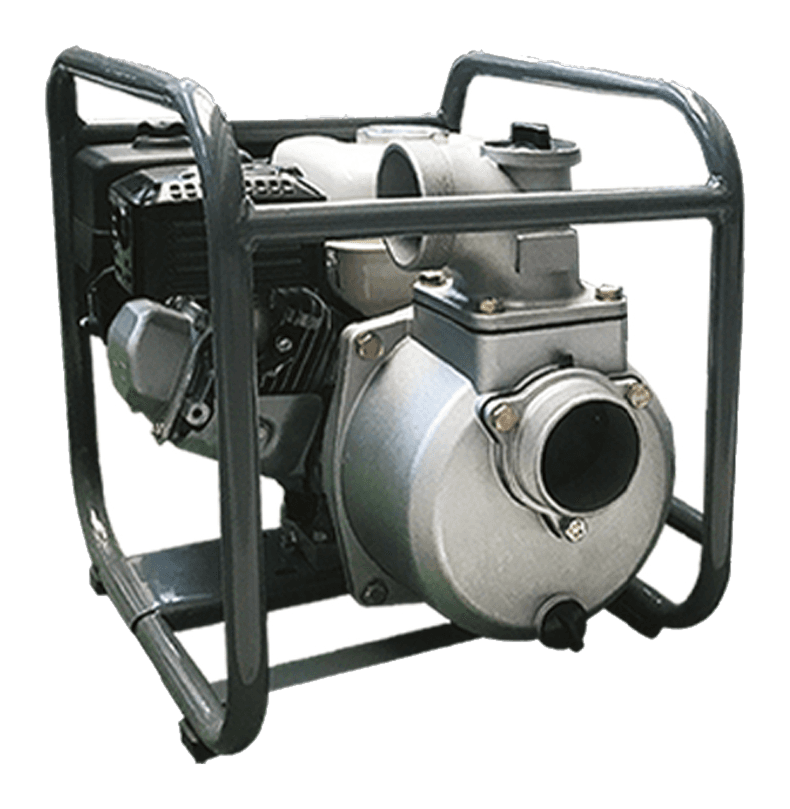
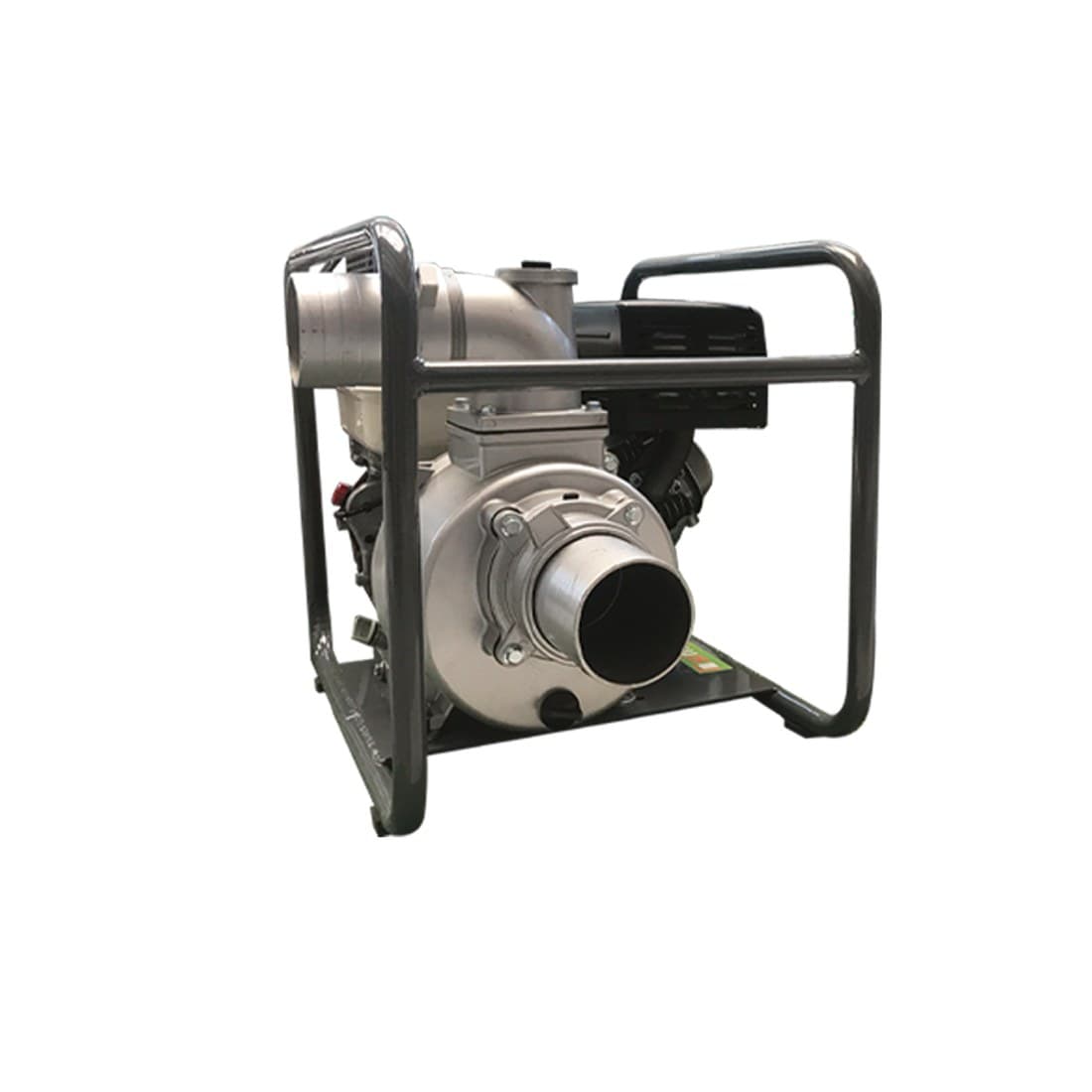
| Dewatering | SQWP30 PRO (3″) · SQWP40 PRO (4″) | Up to 30 and 40 m³/h; 8 m max suction lift |
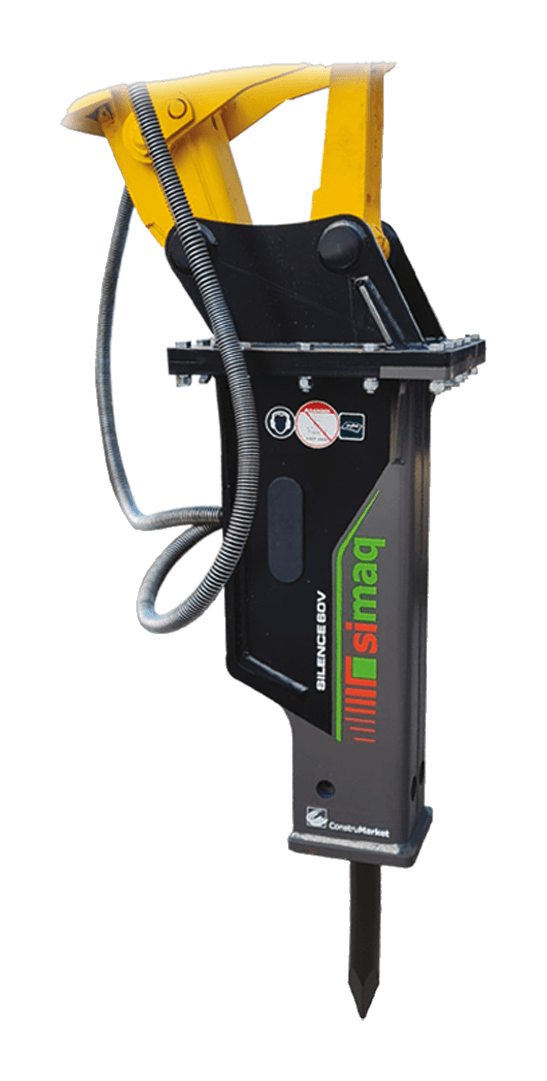
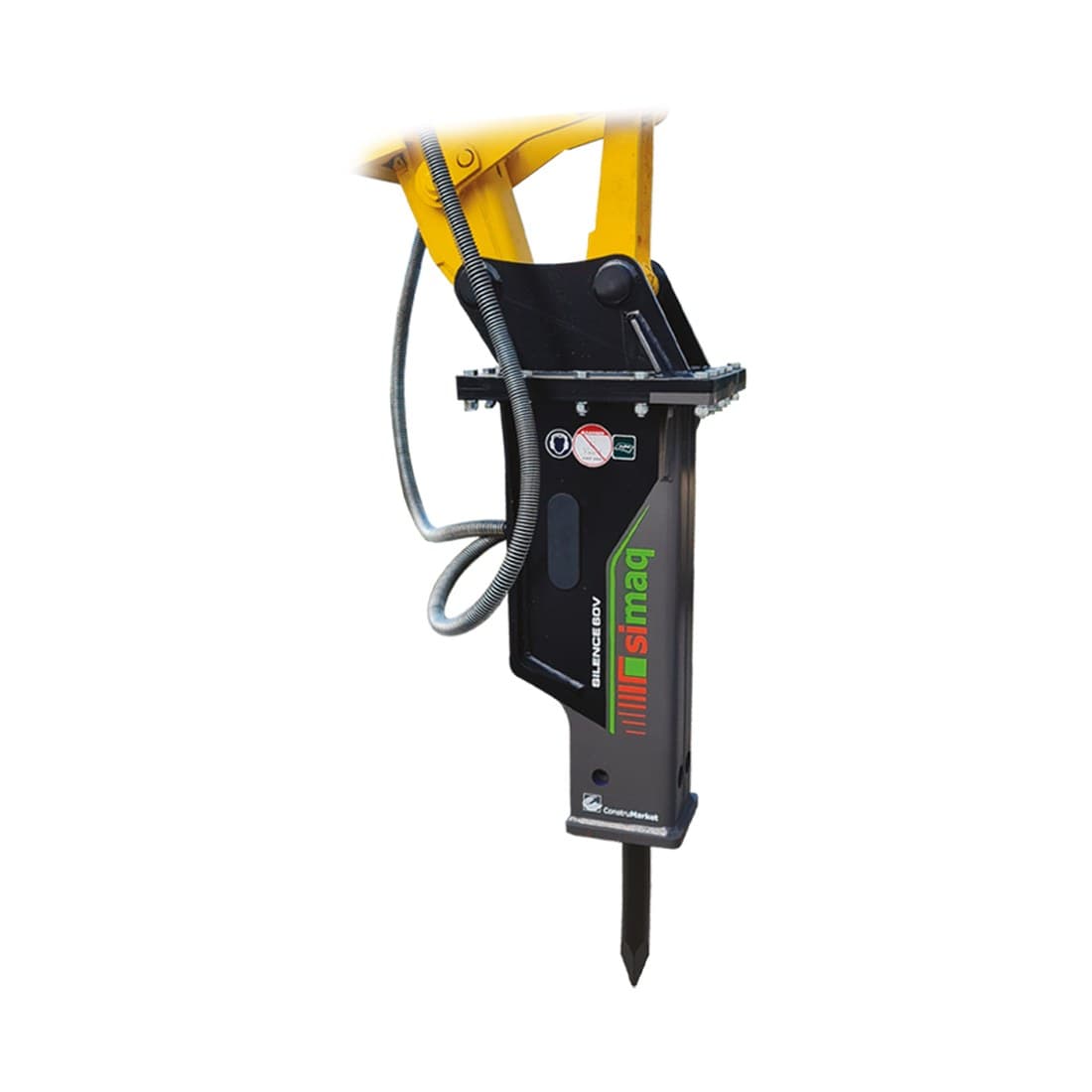
| Cutting and breaking | SQ16 PRO saw · DB 40V, DB 60V, DB 200DX breakers | Cuts up to 130 mm; breaker for skid steer, backhoe or 20 t excavator |
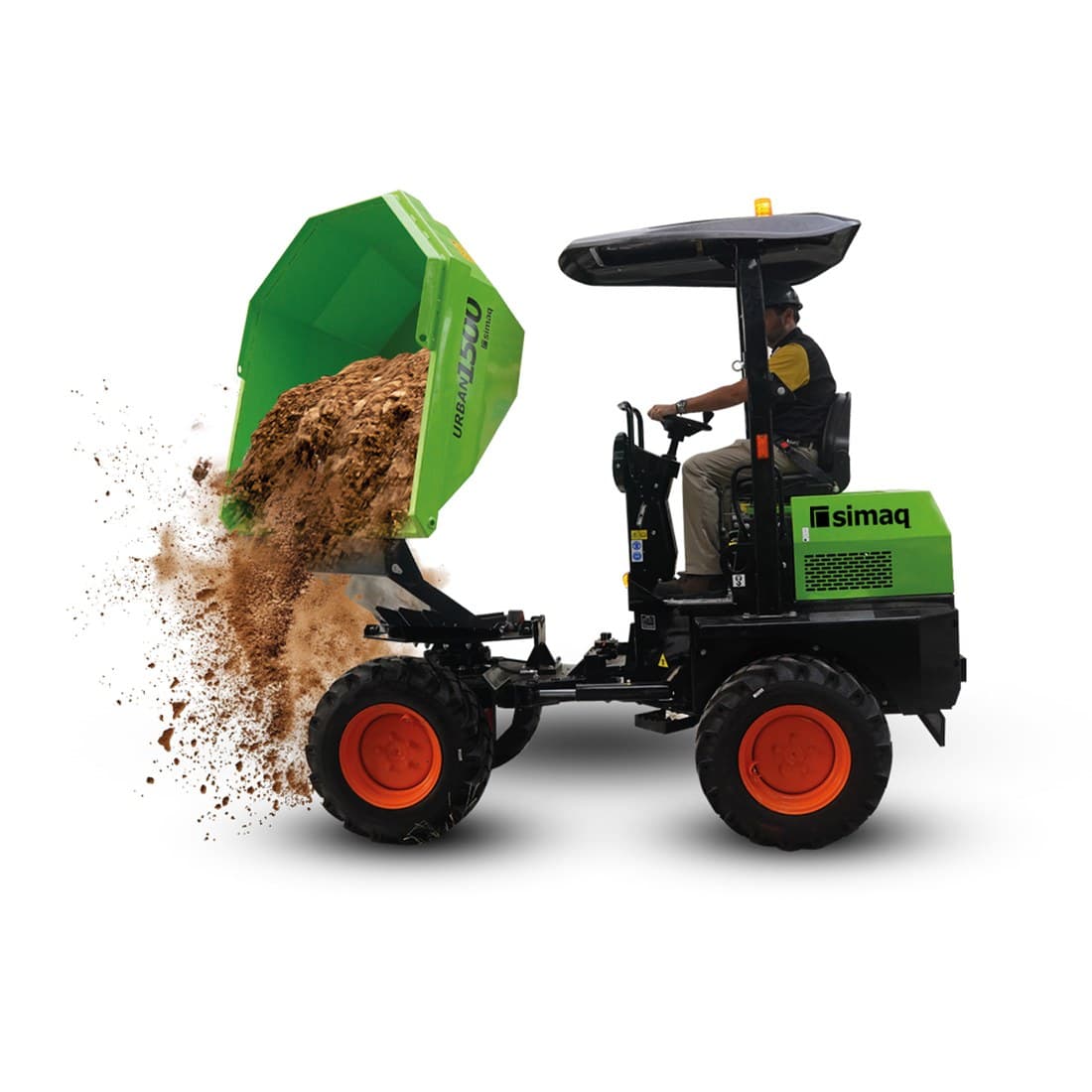
| Reopening access | Urban 1500 dumper · roller · plate · rammer · cones and drums | 4×4 dumper at 14 km/h; compaction by soil type |
How many pumps: the dewatering maths
Volume first: length × width × water depth. A 20 × 10 m underpass with 0.5 m of water holds 100 m³. Then time, best case: at the SQWP40 PRO's maximum flow (40 m³/h) that's about 2.5 hours; at the SQWP30 PRO's (30 m³/h), about 3.3 hours. Two identical pumps working together cut the time in half.
Flow and head are separate maximums: the higher the lift, the lower the flow, and a long hose lowers it too; on top of that, floodwater carries mud and trash. So treat that figure as the floor, not a promise. Two hard limits: the pump must sit no more than 8 m above the water (its max suction lift), and maximum head is 13 m on the 3″ and 16 m on the 4″, where flow is already at its lowest.
Light: how many towers per work zone
Measure the area that's actually worked at night and divide it by each tower's coverage. As a rough reference from the SIMAQ School calculator: about 2,200 m² per NIGHTMASTER LED 350 and about 3,300 m² per SQTLK 6000. Round up and add light for shelters and supply points.
Both towers run a Kubota D1105 diesel engine: store fuel for the full shift and test them before the season.
Clearing a way with what the city already owns
Almost every municipality already owns a backhoe, a skid steer or an excavator. A hydraulic breaker turns it into demolition gear for collapsed slabs, walls and blocked culverts: the DB 40V goes on a skid steer, the DB 60V on a backhoe and the DB 200DX on a 20 t excavator. Before buying, confirm your machine's oil flow falls within the breaker's range.
To cut slabs or pavement without breaking more than you need, the SQ16 PRO saw cuts up to 130 mm deep, with water to keep the dust down.
Reopening access and signage
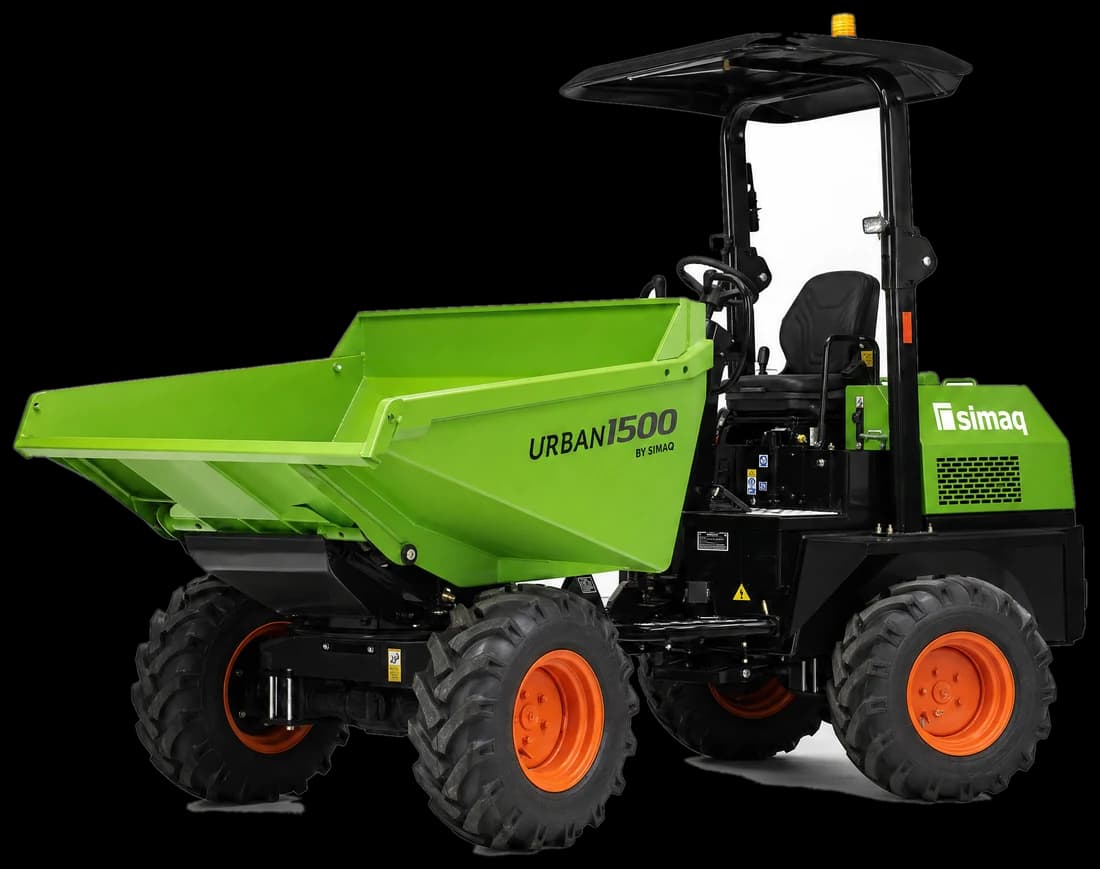
Once the water drops, it's time to haul debris and repair. The Urban 1500 dumper (4×4, hydraulic tipping, 14 km/h) moves material where a truck can't get in. To fill potholes and sinkholes, compact by soil type: a plate on granular soil, a rammer on clay and in trenches, a roller on long stretches.
And mark every closure: 28″ cones, 91 cm channelizer drums, caution tape and reflective vests for the crew. An unmarked work zone mid-emergency is a second accident waiting to happen.
How to build the kit: per crew, not one-off buys
At ConstruMarket branches in El Salvador, Guatemala (CMARKET), Nicaragua and Panama. Request a quote from this guide and an advisor in your country will confirm the model and availability.
- Inventory what you already own and list your hot spots (underpasses, low-lying neighborhoods, bridges).
- Give each crew its own light, dewatering and signage; cutting and breakers can be shared.
- Size pumps per hot spot with the maths above, not by eye.
- Test-start everything before the rainy season, with fresh fuel and spare parts in storage.
- Name a person who knows how to run each machine; the SIMAQ School has step-by-step guides.
- In the purchase spec, ask for the figures that matter: pump flow, suction lift and head; tower mast height, light type and engine; and where service and parts are available in your country.
Common mistakes
- Buying pumps without working out the volume or how high the water has to go.
- Storing the gear all year and testing it on the day of the emergency.
- Leaving old gas or diesel in the tanks between seasons.
- Owning the machine but having no one on the duty crew who can run it.
- Forgetting signage: a closure with no cones or vests puts the crew at risk.
Takeaway
Municipal flood equipment comes in four lines: light (NIGHTMASTER LED 350 or SQTLK 6000 towers), dewatering (SQWP30 PRO and SQWP40 PRO, sized by volume and lift), cutting (SQ16 PRO and breakers for your machines) and reopening (dumper, compaction and signage). Build it per crew, test it before the season and name who runs it.
Keep going
Frequently asked
What equipment do you need for flood response?
Light towers to work at night, water pumps for dewatering, a saw and a hydraulic breaker to clear a way, and a dumper, compactors and signage to reopen access.
How many water pumps does a municipality need?
It depends on your hot spots. For each one: water volume ÷ maximum pump flow = best-case hours of pumping; with lift or a long hose, it takes longer. If the time doesn't work for you, add pumps; and respect the 8 m max suction lift.
Do the light towers run on diesel or gas?
The NIGHTMASTER LED 350 and the SQTLK 6000 run a Kubota D1105 diesel engine. Their warranty is 6 months or 500 hours of use, whichever comes first, once registered.
Will a hydraulic breaker work on the city's backhoe?
Yes, if your backhoe's oil flow is in the breaker's range: the DB 60V needs 40 to 110 L/min. Bring your machine's data when you quote.
Where can a municipality buy SIMAQ equipment in Central America?
At ConstruMarket branches in El Salvador, Guatemala (CMARKET), Nicaragua and Panama. The emergencies page groups the gear for civil protection and municipalities.