Guide · 7 min
Flood equipment: the flood response gear to have ready before a hurricane
Also called: flood equipment, flood response equipment, storm response gear
By the SIMAQ technical team · Grupo ConstruMarket ·
Short answer
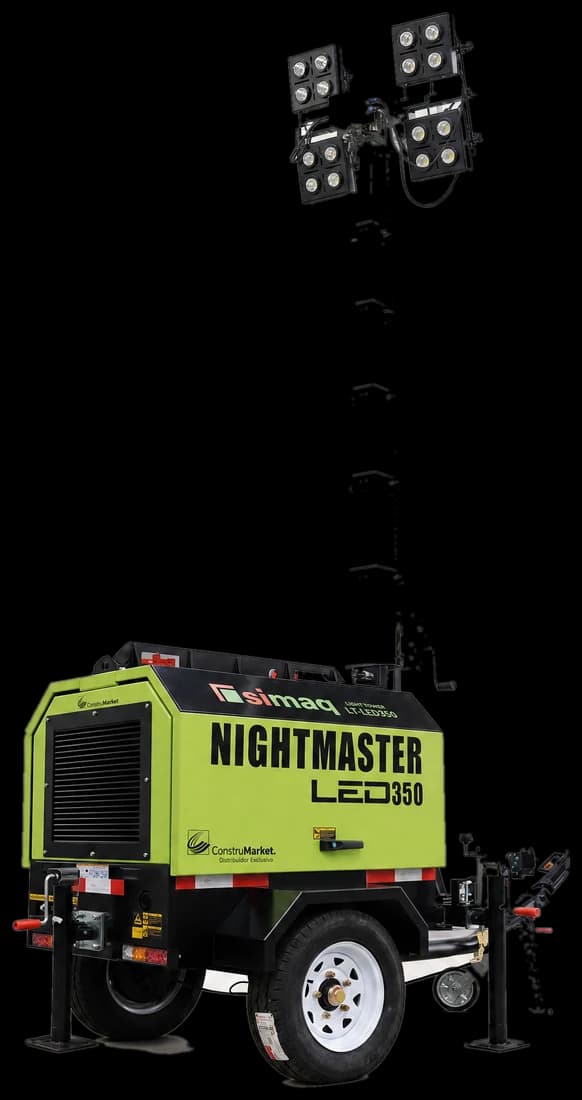
Keep four equipment lines ready: light (NIGHTMASTER LED 350 tower with a Kubota D1105), dewatering (SQWP30 PRO pump at 30 m³/h and SQWP40 PRO at 40 m³/h), cutting and demolition (SQ16 PRO saw and SIMAQ DB hydraulic breakers) and compaction to repair access roads. Test them before the rainy season: a pump that won't start on flood day is no use at all.
response lines
4″ pump
low-draw light
The four lines of flood equipment
In Central America and the Caribbean, hurricanes and floods are part of the calendar. What separates those who respond from those who wait is having equipment ready, tested and fueled before the alert comes. These are the four lines worth keeping deployable.
| Need | SIMAQ equipment | Key spec |
|---|---|---|
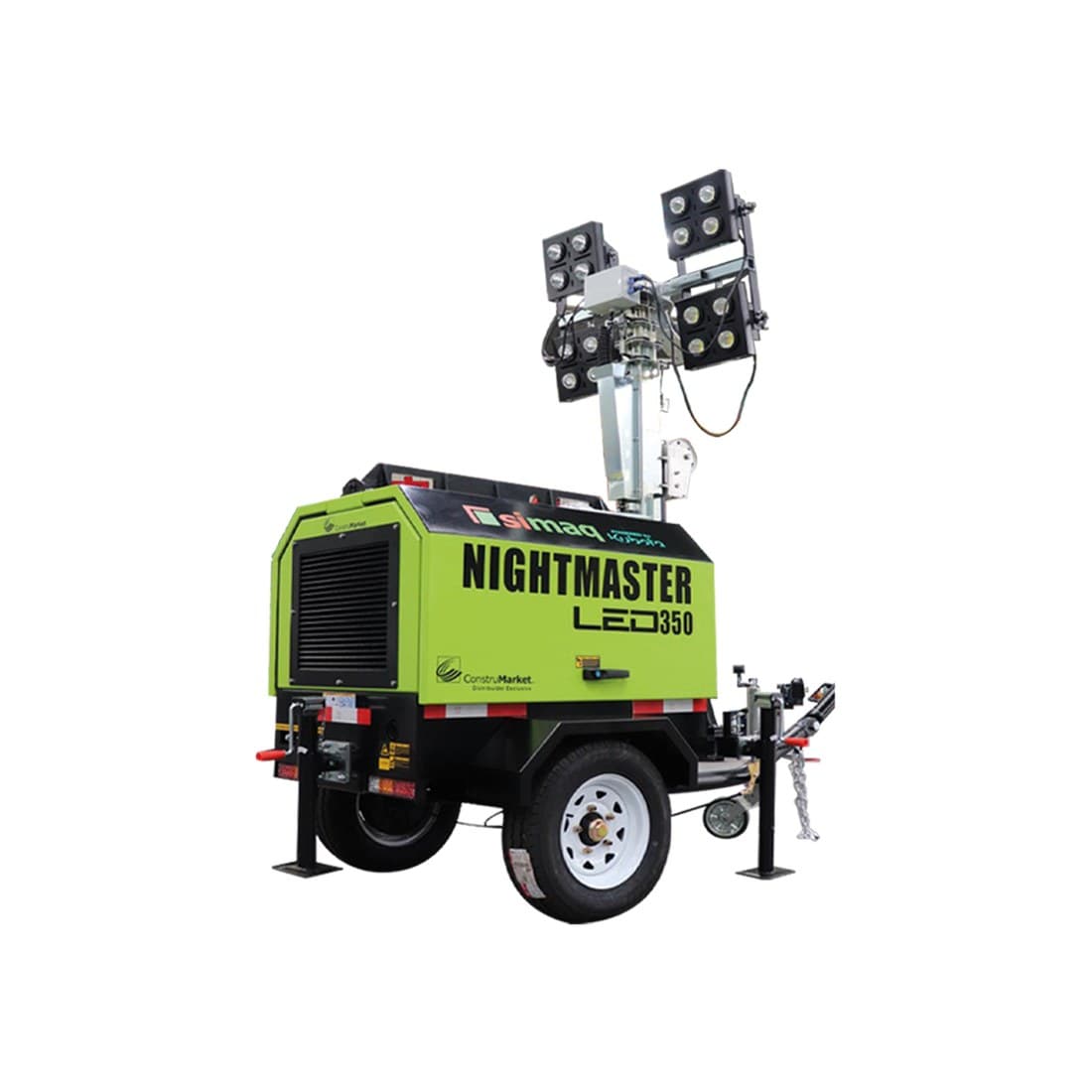
| Work and rescue at night | NIGHTMASTER LED 350 / SQTLK 6000 tower | 7 m mast (4 × 350 W LED) or 9 m, Kubota D1105 |
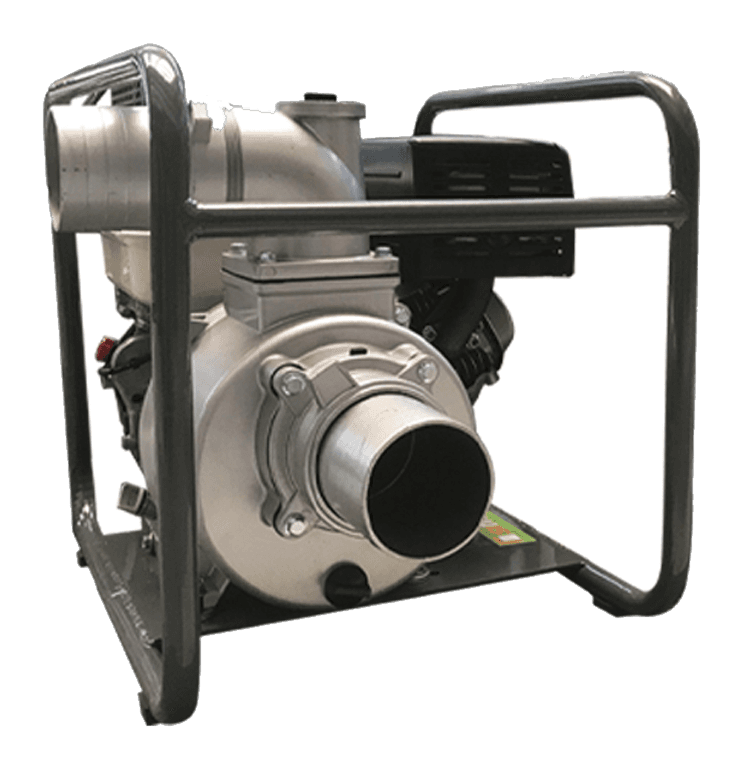
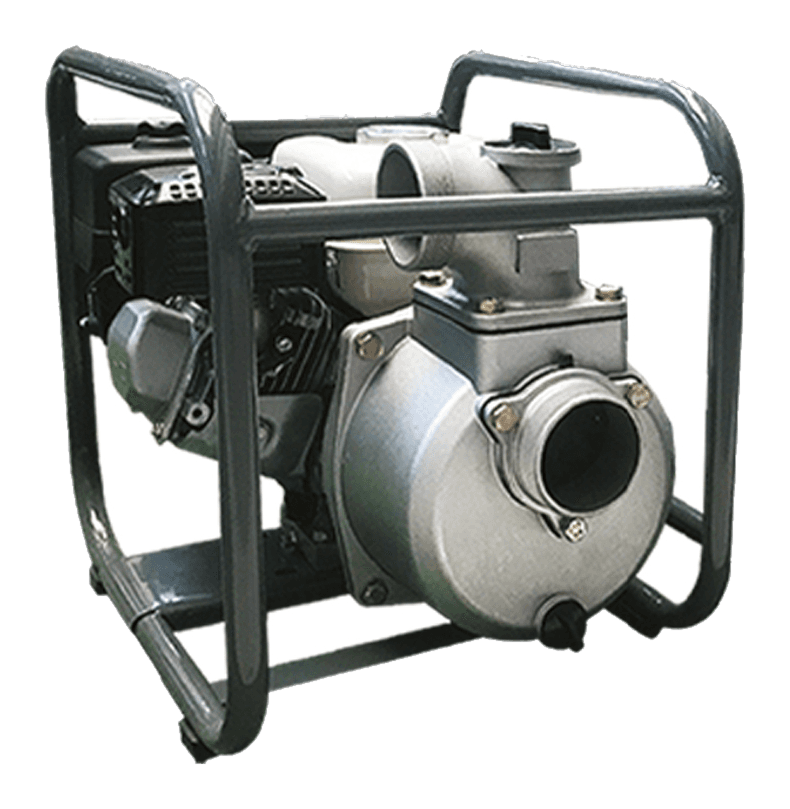
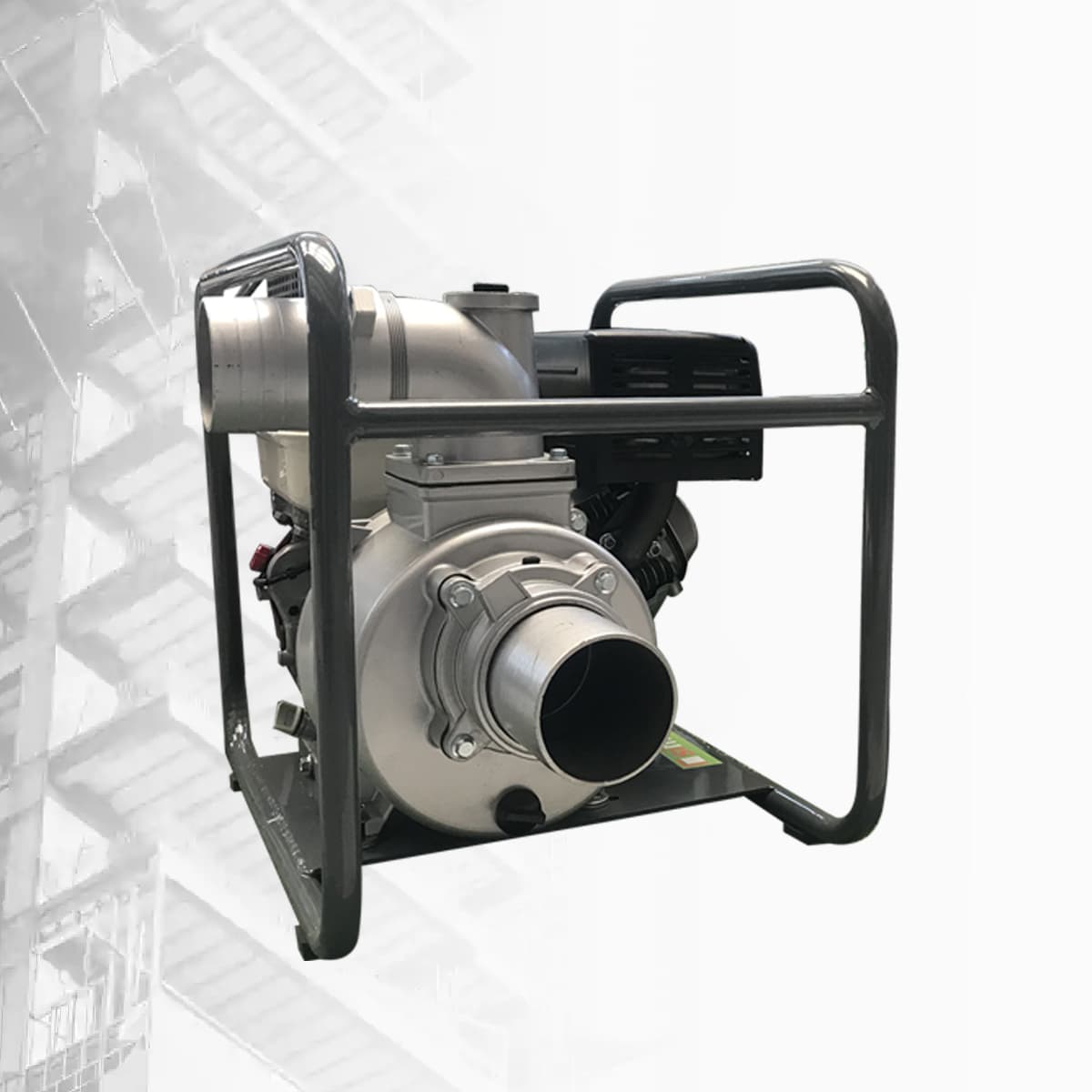
| Pump water out of basements, trenches and streets | SQWP30 PRO (3″) and SQWP40 PRO (4″) pumps | 30 and 40 m³/h; 8 m max suction |
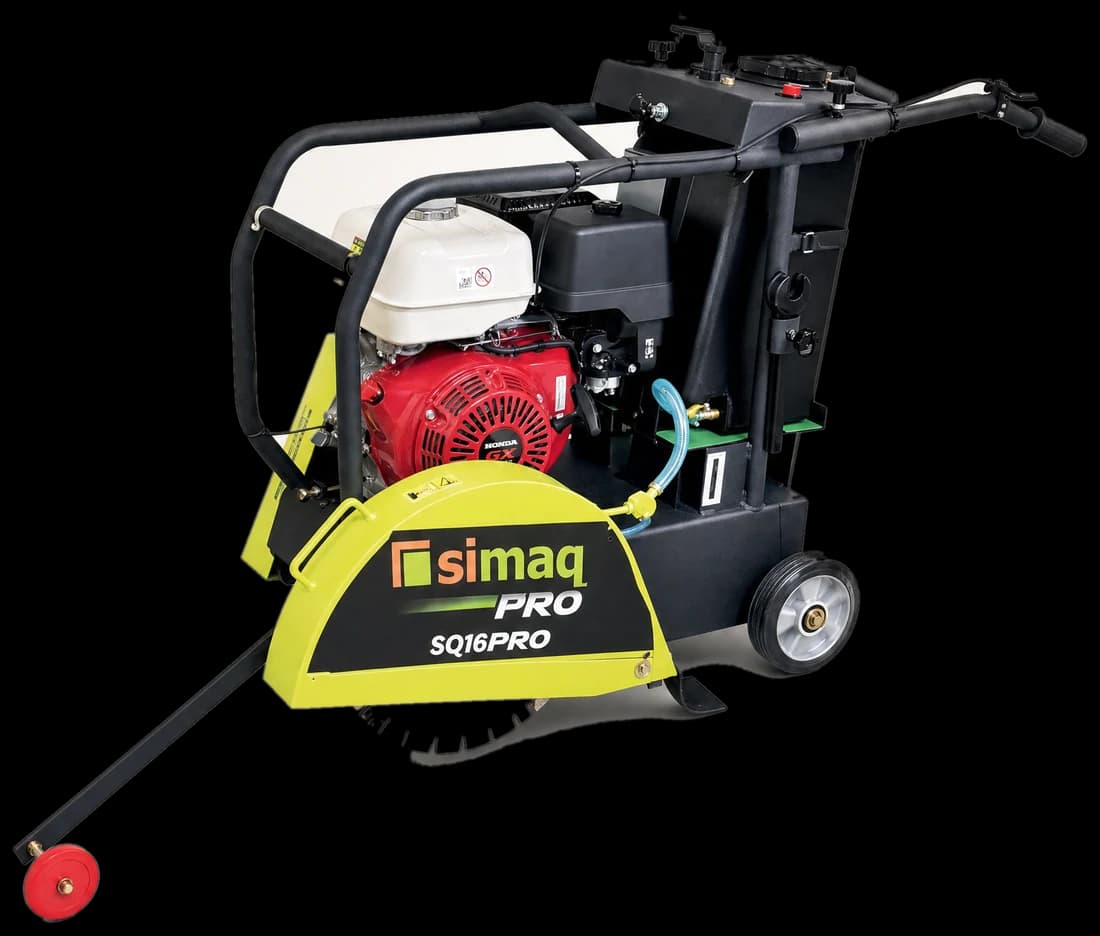
| Clear a path through debris and collapsed structures | SQ16 PRO saw and DB 40V, DB 60V, DB 200DX breakers | Cuts up to 130 mm; breakers for skid steer, backhoe and excavator |
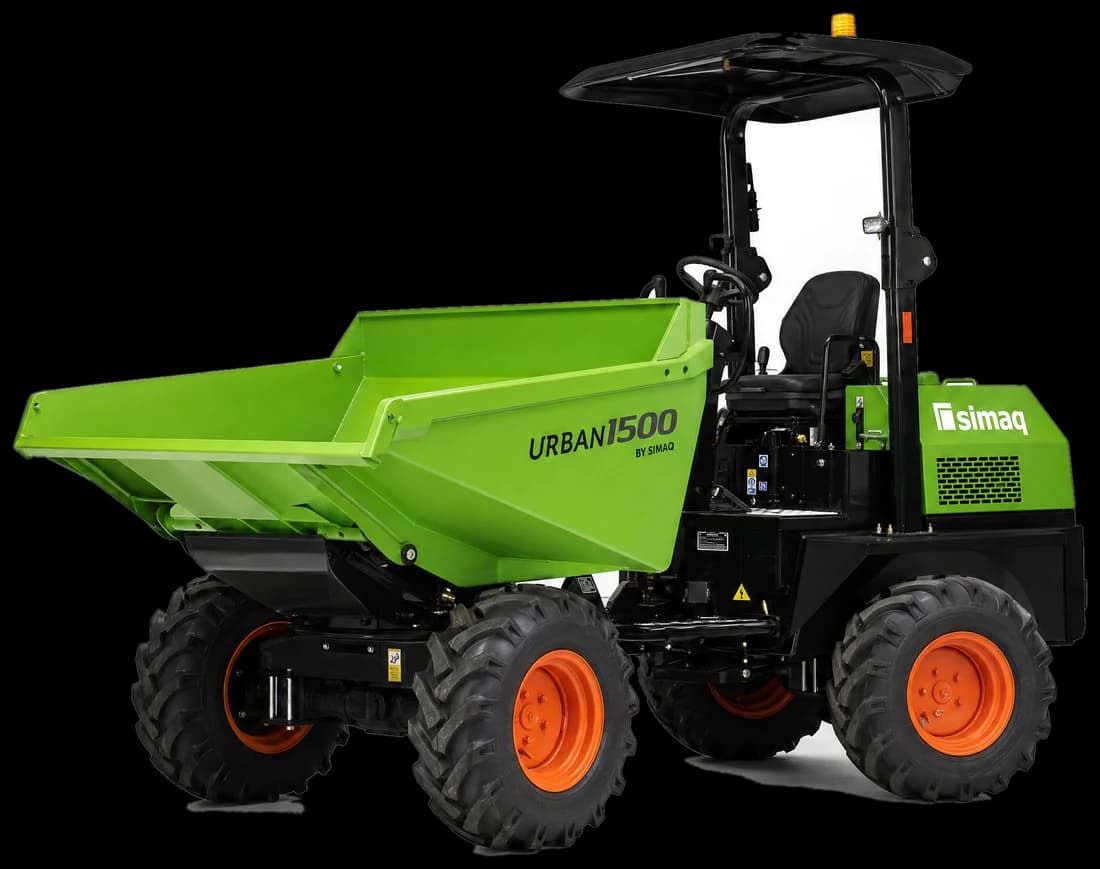
| Remove debris and move relief supplies | Urban 1500 4×4 dumper | 4×4 drive, hydraulic tip, 14 km/h |
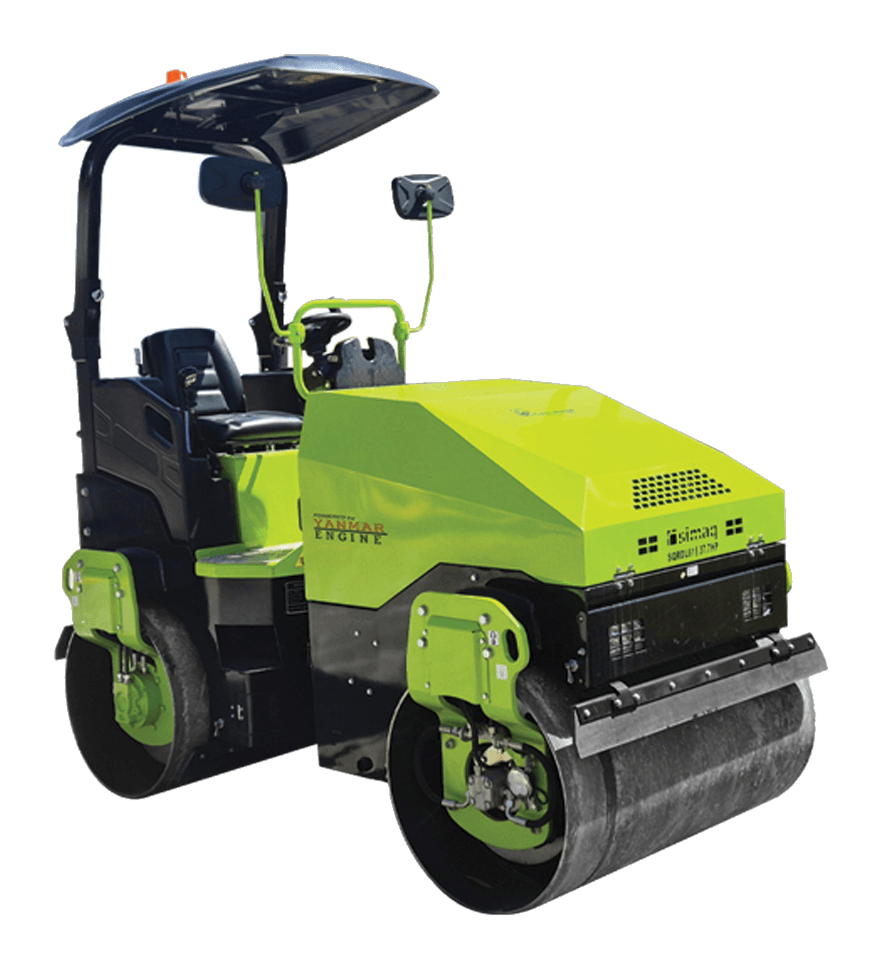
| Repair roads, embankments and pads | SQ60 PRO 2 rammer, SQ15 PRO plate, SQRD rollers | 20–30 cm lifts and 3–4 passes |
Light: the first thing a response team asks for
Without light there's no safe rescue or reconstruction. The NIGHTMASTER LED 350 raises its mast to 7 m, turns it 350° to aim without moving the trailer and, being LED, burns far less diesel than a halogen tower. On large open areas, the SQTLK 6000 rises to 9 m. Keep the tank full before the alert and place towers where they won't dazzle drivers.
Dewatering: how much water each pump moves
The SQWP30 PRO (3″, 6.5 HP Loncin G200F) moves up to 30 m³/h and the SQWP40 PRO (4″, 9 HP Loncin G270F) up to 40 m³/h; both lift water from up to 8 m. To estimate time, divide the water volume by the flow. Example: an 8 × 6 m basement with 0.5 m of water is 24 m³; with the 4″ pump, 24 ÷ 40 = 0.6 h, about 36 minutes, and with the 3″, 24 ÷ 30 = 0.8 h, about 48 minutes. That's the theoretical minimum: real flow drops with pumping height and hose length.
Flood water carries trash, mud and stones. Always use the strainer on the suction to protect the impeller, and confirm with the advisor what solids size each pump can handle. Before going into a flooded basement, cut the power to the building.
Cutting, demolition and access
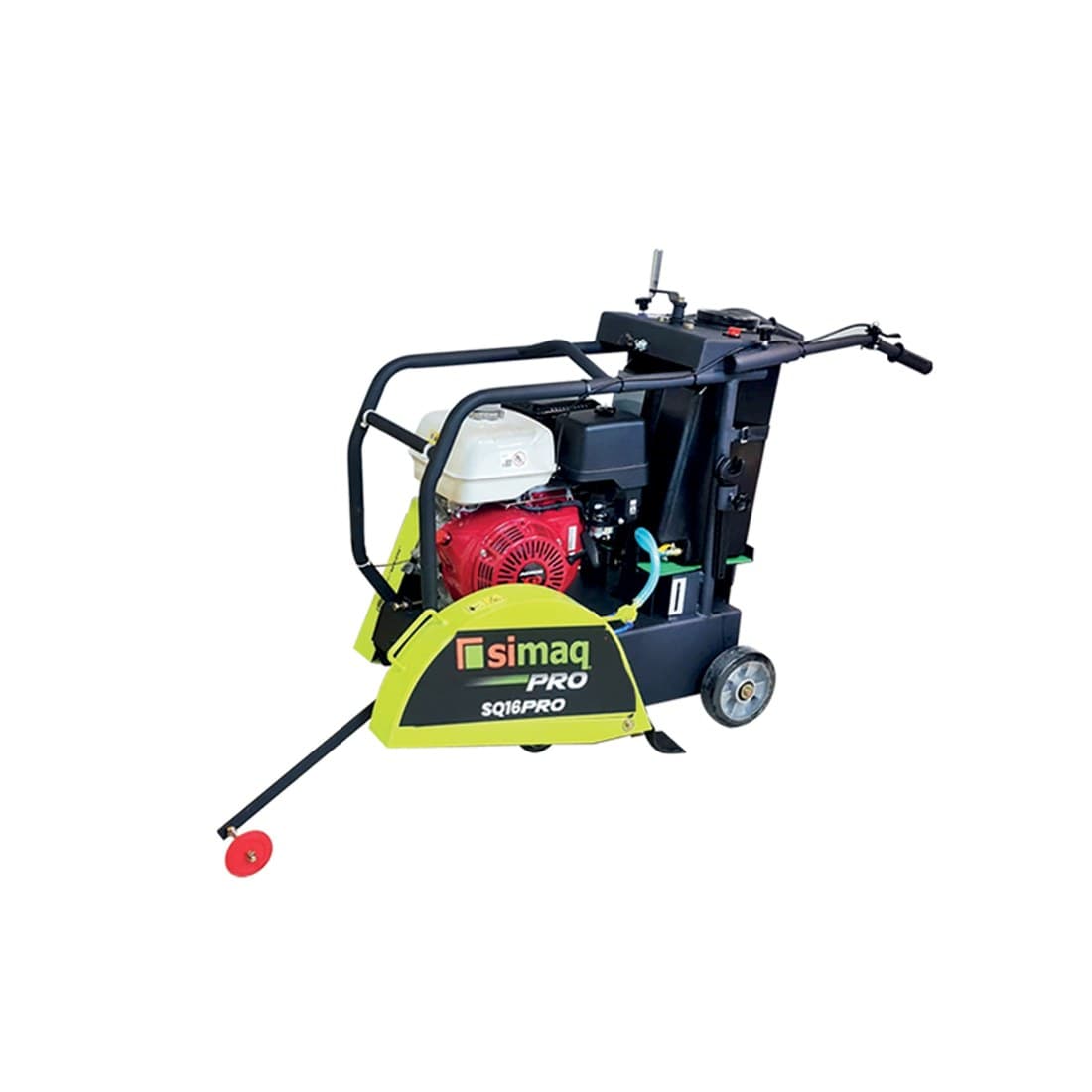
To clear a path, the SQ16 PRO saw (Honda GX390, 13 HP) cuts concrete and asphalt up to 130 mm deep with wet cutting. To break slabs, fallen walls or rock, the hydraulic breaker mounts on the machine you already have: DB 40V for skid steers, DB 60V for backhoes and DB 200DX for excavators of about 20 t. The Urban 1500 4×4 dumper hauls debris and carries relief supplies where a truck can't go.
Rebuild: compact access roads and embankments
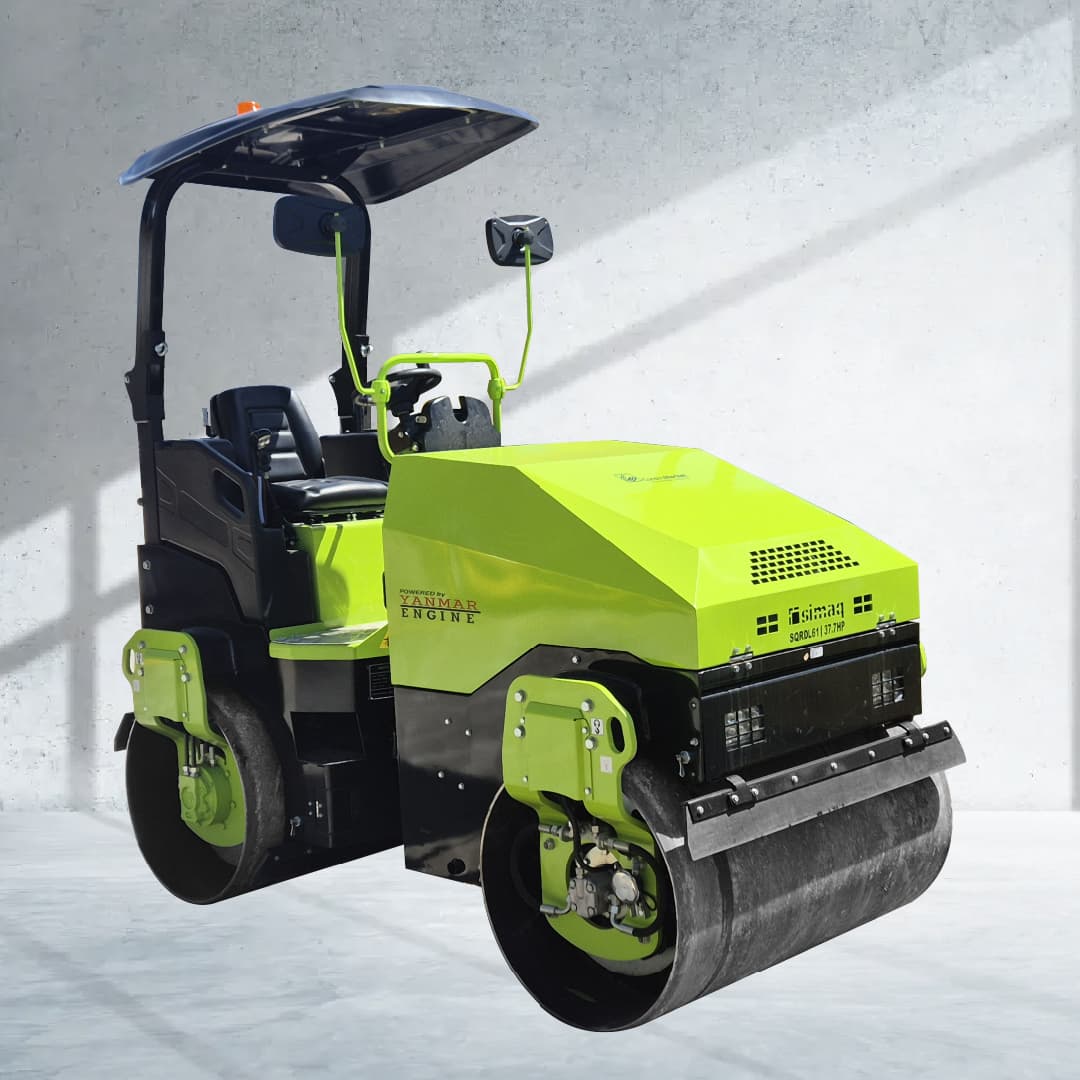
When the water goes down, you're left with washed-out roads, sunken fills and damaged pads. The SQ60 PRO 2 rammer compacts trenches and clay; the SQ15 PRO plate, base and sand; SQRD rollers, roads and embankments. The material needs the right moisture: a soaked fill won't compact, so let it dry out or replace it.
Pre-season checklist
- Start each machine once a month and let it run a few minutes.
- Fresh fuel: stale gas varnishes the carburetor.
- Suction and discharge hoses, strainers and couplings complete.
- Spare filters, plugs and oil in the yard.
- Cones, caution tape, mesh and reflective vests to close off hazard zones.
- A list of who operates each machine and where it's stored.
Common mistakes
- Looking for equipment once the emergency has already started.
- Pumping without a strainer: stones and trash damage the impeller.
- Storing pumps for months without testing them.
- Discharging water where it flows back into the area you're draining.
- Working at night without enough light or reflective vests.
- Going into a flooded basement with the power still on.
Takeaway
Light, dewatering, cutting and compaction: four lines ready, tested and fueled before the season. For civil protection, municipalities, companies and contractors. Request a quote here for your area's package and an advisor will contact you during business hours.
Keep going
Take it to the job site
Print the checklist to go over it on site, or send the guide to your crew.
Frequently asked
Do you sell to governments and emergency agencies?
Yes. We serve institutional procurement and tenders for civil protection, municipalities and agencies, with brand backing, parts and SIMAQ warranty.
Which pump do I need for a flood?
For large volumes, the 4″ SQWP40 PRO (40 m³/h). For basements, trenches and medium volumes, the 3″ SQWP30 PRO (30 m³/h). Always with a strainer.
How long does a pump take to remove the water?
Volume ÷ flow. Example: 24 m³ with the 4″ pump is about 36 minutes at minimum; in practice it takes longer, because flow drops with height and hose length.
When should you buy emergency equipment?
Before the rainy season, with time to test it and train whoever will run it. Request a quote here and an advisor will contact you during business hours.
What warranty do the light towers and pumps have?
Light towers, 6 months or 500 hours of use, whichever comes first. Each machine's coverage is on the warranty page and is activated by registering it.
SIMAQ · Job site checklist
Flood equipment: the flood response gear to have ready before a hurricane
Keep four equipment lines ready: light (NIGHTMASTER LED 350 tower with a Kubota D1105), dewatering (SQWP30 PRO pump at 30 m³/h and SQWP40 PRO at 40 m³/h), cutting and demolition (SQ16 PRO saw and SIMAQ DB hydraulic breakers) and compaction to repair access roads. Test them before the rainy season: a pump that won't start on flood day is no use at all.
Pre-season checklist
- Start each machine once a month and let it run a few minutes.
- Fresh fuel: stale gas varnishes the carburetor.
- Suction and discharge hoses, strainers and couplings complete.
- Spare filters, plugs and oil in the yard.
- Cones, caution tape, mesh and reflective vests to close off hazard zones.
- A list of who operates each machine and where it's stored.
Avoid
- Looking for equipment once the emergency has already started.
- Pumping without a strainer: stones and trash damage the impeller.
- Storing pumps for months without testing them.
- Discharging water where it flows back into the area you're draining.
- Working at night without enough light or reflective vests.
- Going into a flooded basement with the power still on.
Job site:
Date:
Supervisor:
Scan it for the full guide, with video and FAQ
https://simaq.pro/en/recursos/equipos-para-emergencias-y-huracanes