
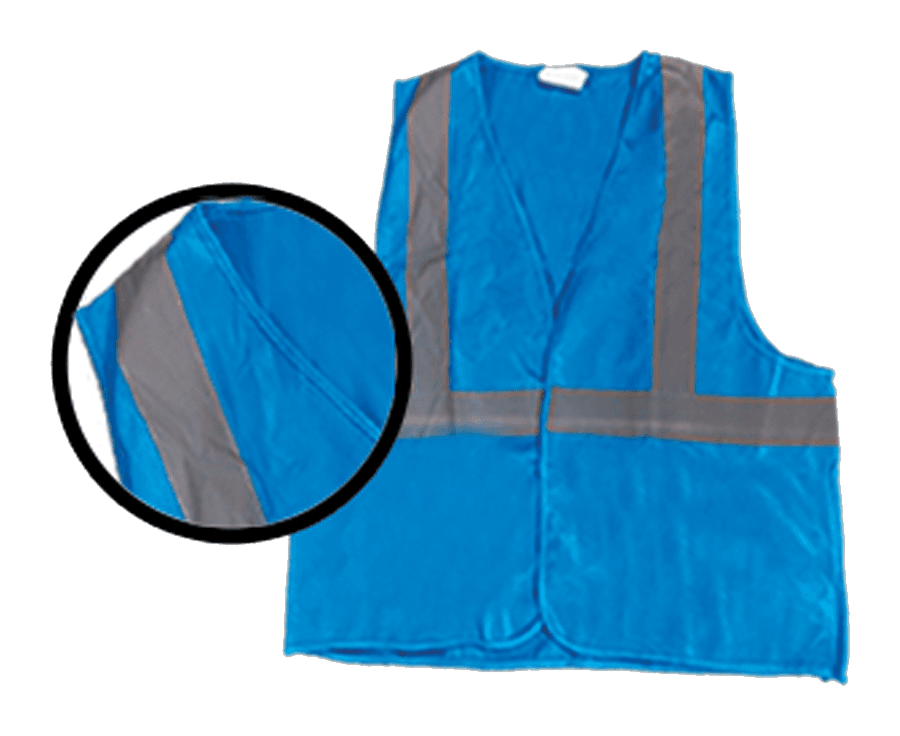
NRI5106CYAN
Safety mesh roll NRI5106CYAN
Closes and protects the site perimeter.
View details5-minute training
5 minSignage protects the crew and traffic, and keeps you compliant. Visibility, advance warning distance and an orderly closure are everything.
Training video
Coming soonIn the meantime, follow the step-by-step guide.
Place the warning sign far enough ahead for the driver to react in time.
Build the taper with evenly spaced cones or drums, steering traffic out of the zone.
Bound the work area with barrier tape, mesh and delineator posts. Visible by day and night.
Reflective vests on. Where speed must drop, a speed-bump reducer.
When done, pick up signage from the work back to the start, so the crew is never left exposed.
Do this
Avoid this
Safety
Test yourself
Each practice: do it or avoid it? Tap your answer.
More advance warning the faster the road.
Don't start work before the signage is set.
Clean reflective material in good condition.
Ballast cones and posts against vehicle wind.
Don't remove signs with the crew still on the road.
Don't leave fallen cones or broken tape: it confuses drivers.
Equipment in this training
Closes and protects the site perimeter.
View details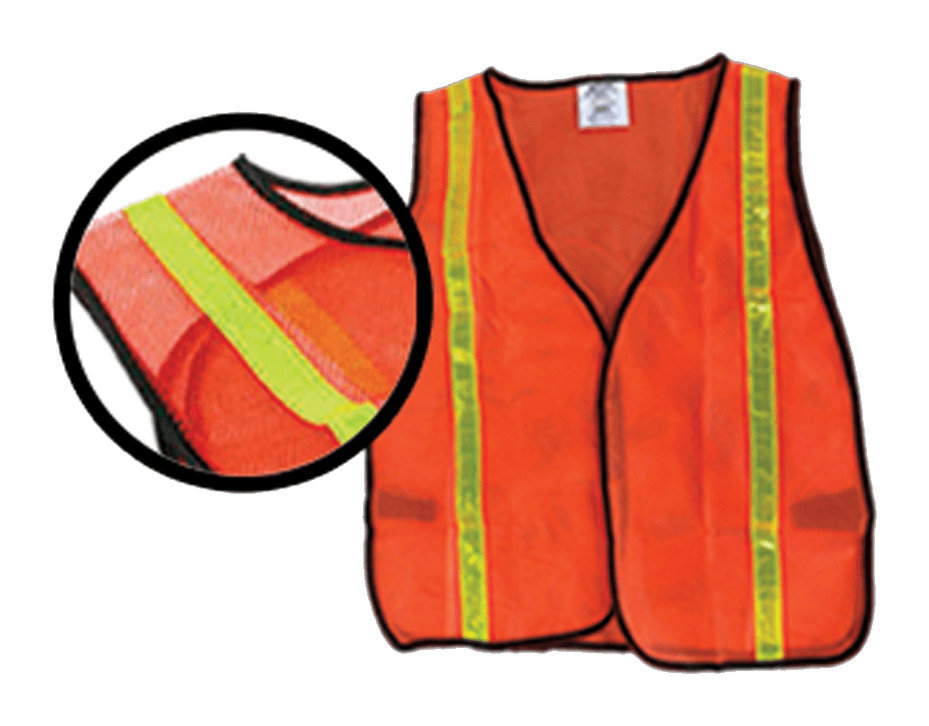
Closes and protects the site perimeter.
View details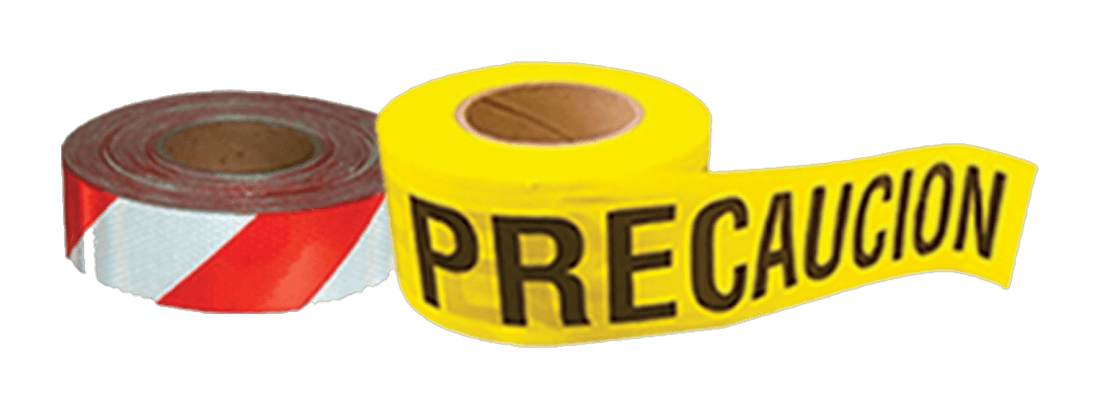
Marks and warns. Visible from afar.
View details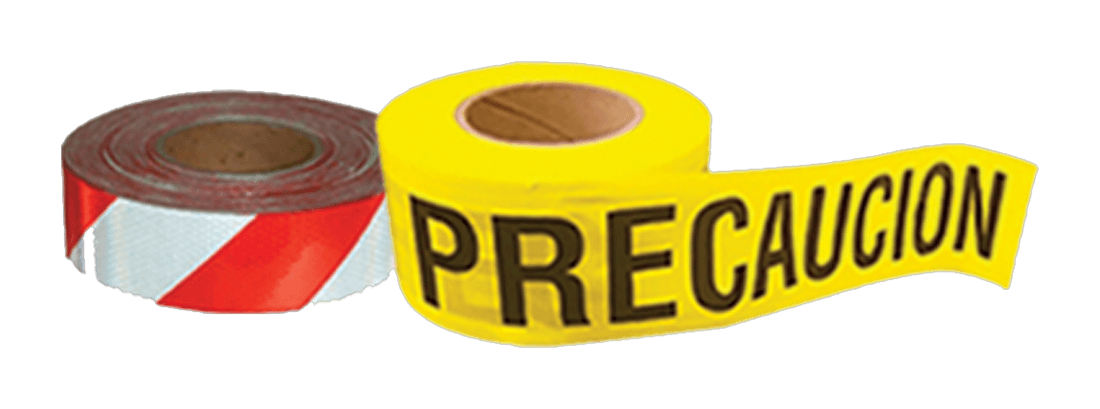
Reflectivity for signage and gear.
View details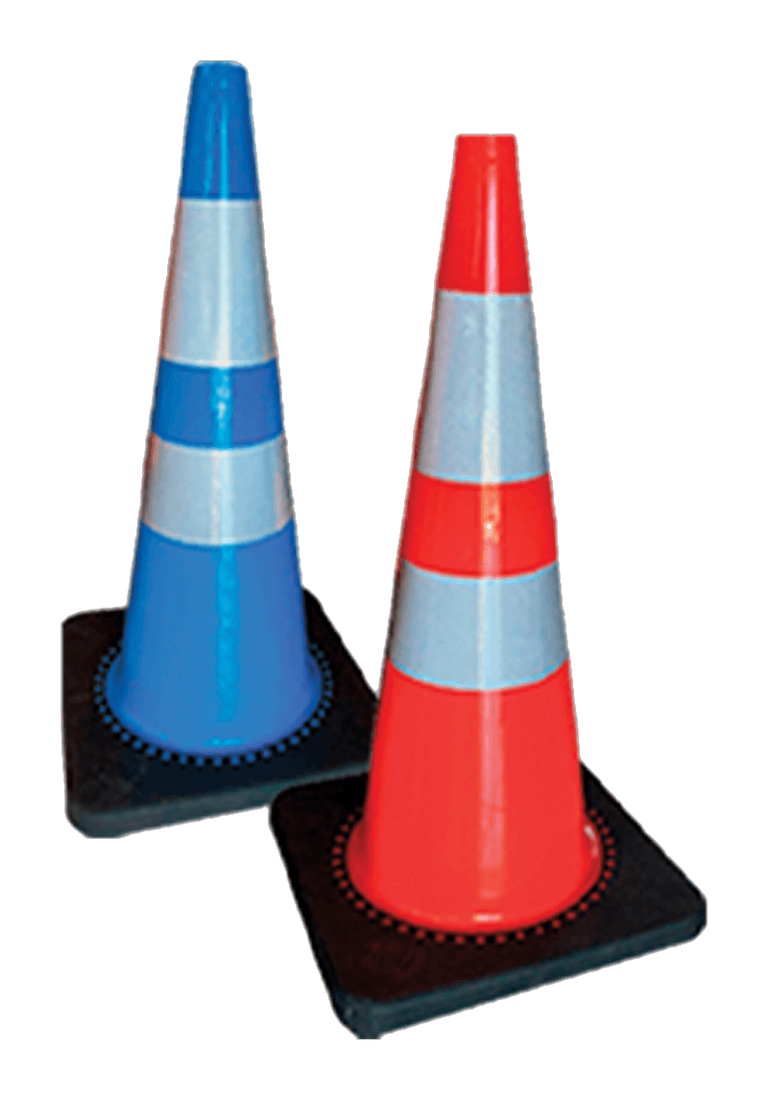
Worksite marker, stable and reflective.
View details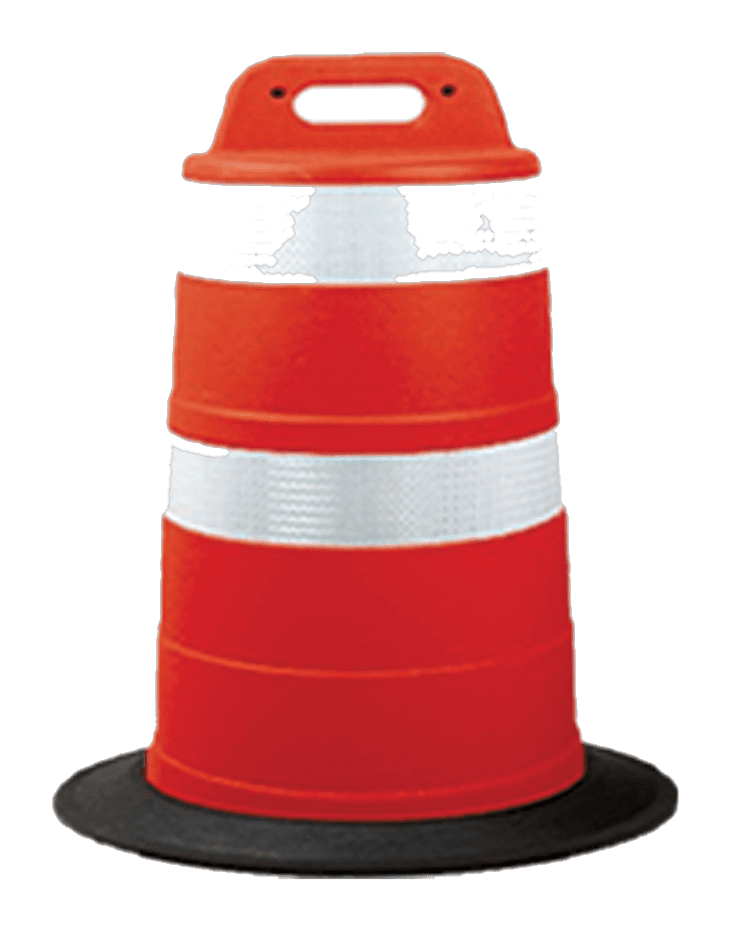
High-visibility channelizer drum for detours and lane closures.
View details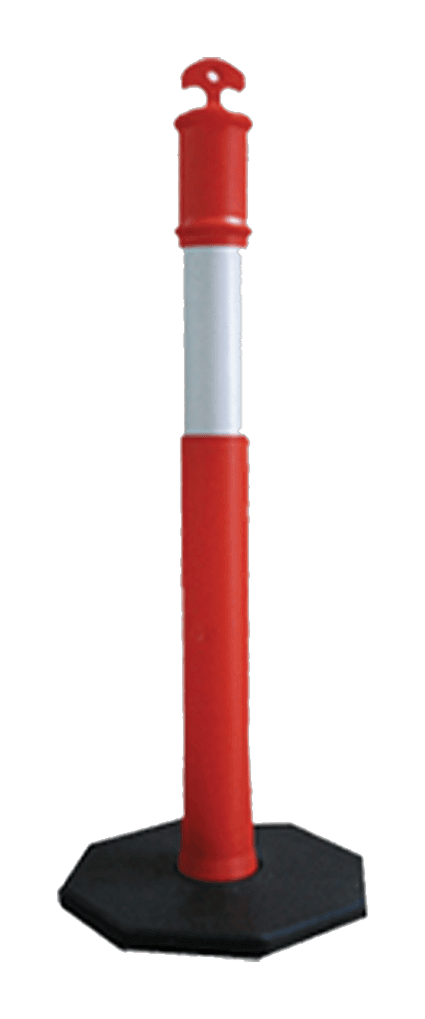
Guides traffic with reflective band.
View details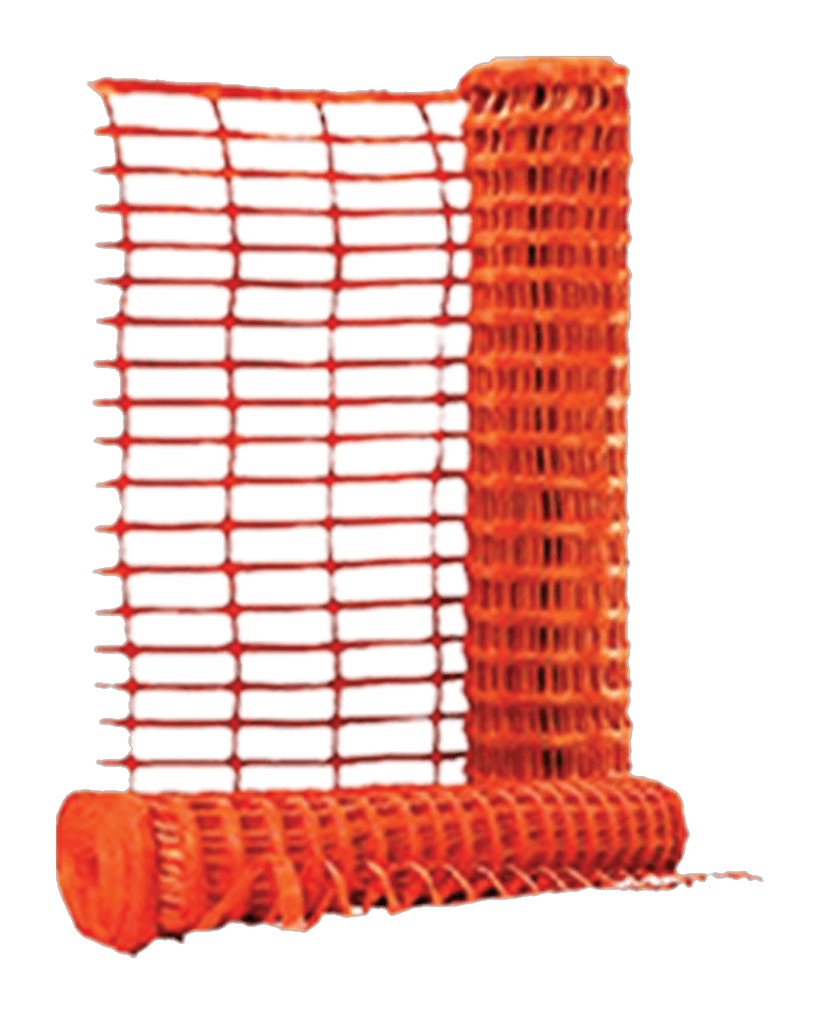
Closes and protects the site perimeter.
View details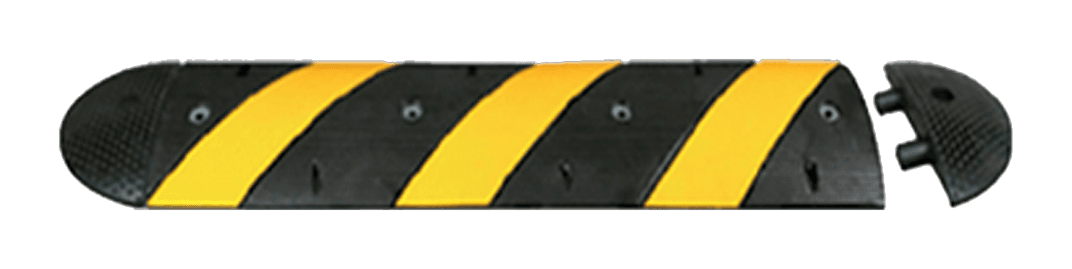
Controls speed at gates and yards.
View detailsTell us about the job and we'll build the package. Same-day reply.